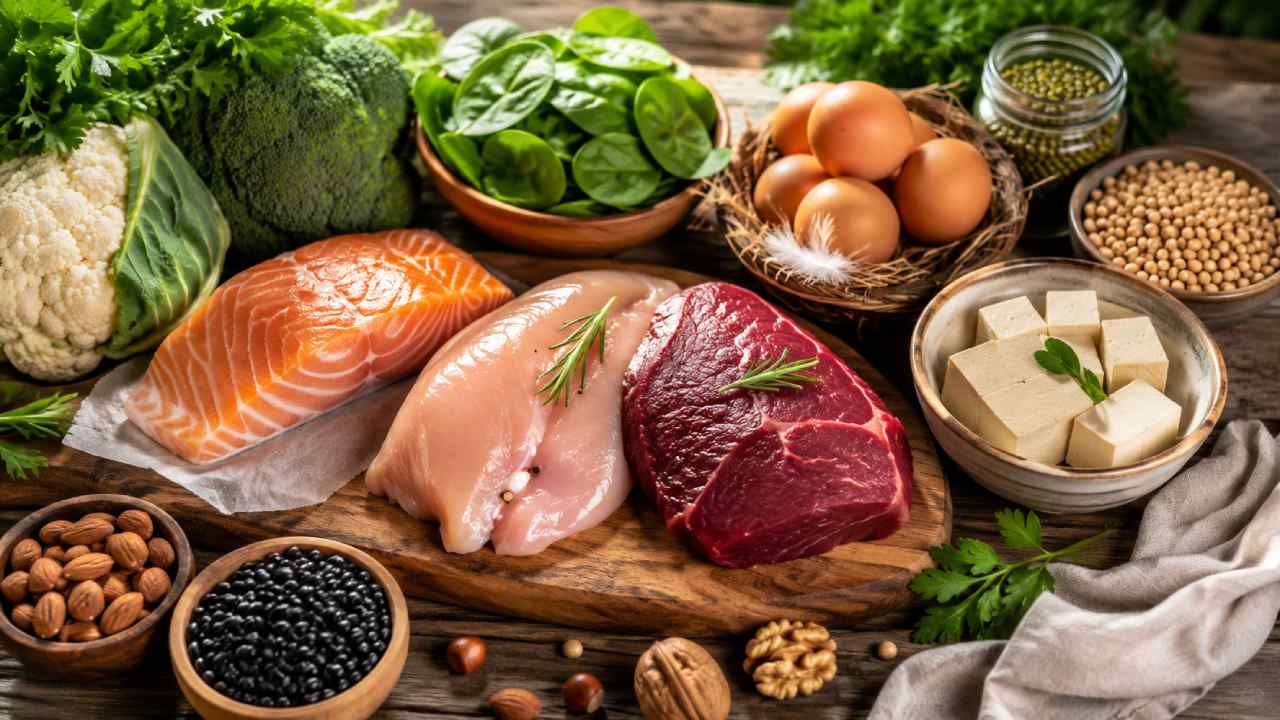
Organic Protein Is Increasingly Popular: Here Are the Types and Their Benefits for the Body
LoveFoodReadyMeals – Organic food has transformed from a niche market into a global lifestyle trend. Today, many consumers pay attention not only to nutrition but also to how food is produced. Consequently, Organic Protein has gained remarkable popularity among families, athletes, and health-conscious individuals. Whether it comes from animal or plant sources, organic protein represents a production method that emphasizes sustainability, environmental responsibility, and animal welfare. While many people assume organic products are automatically healthier, the reality is more nuanced. Scientific evidence suggests that the production process, rather than the nutrient content alone, makes organic foods unique. Therefore, understanding the different types of organic protein can help consumers make informed decisions that suit both their health goals and personal values.
Read Also: Healthy Drinks That Support a Better Lifestyle Every Day
What Is Organic Protein?
Organic Protein refers to protein-rich foods produced according to certified organic farming standards. These standards prohibit synthetic pesticides, genetically modified organisms (GMOs), routine antibiotics for livestock, and many artificial agricultural chemicals. Instead, organic farming focuses on natural soil management, biodiversity, and responsible animal care. Furthermore, animals raised organically typically receive certified organic feed and are given access to more natural living environments. This production system prioritizes long-term sustainability while reducing environmental impact. Although organic certification does not guarantee higher protein content, it ensures strict production practices throughout the food chain. Therefore, consumers often associate organic protein with cleaner food choices and greater transparency. As awareness of sustainable agriculture continues to grow, organic protein has become an attractive option for people who want to support healthier farming systems while maintaining a balanced diet.
Why Organic Protein Continues to Gain Popularity
Several factors explain why Organic Protein has become increasingly popular worldwide. First, consumers are more informed than ever before about food production and environmental sustainability. At the same time, documentaries, nutrition experts, and social media have encouraged people to question how their meals are produced. Consequently, many shoppers now prefer products that align with ethical farming practices. Another important reason involves concerns about excessive pesticide exposure and antibiotic resistance. Although conventional farming remains safe under government regulations, some consumers simply feel more comfortable choosing certified organic products. Additionally, organic farming often supports biodiversity and healthier ecosystems, making it attractive to environmentally conscious buyers. As disposable incomes increase in many regions, more households are also willing to invest in premium-quality food. Therefore, the demand for organic protein continues to expand across supermarkets, specialty stores, and online marketplaces.
Organic Eggs: A Convenient Daily Protein Source
Organic eggs remain one of the most accessible sources of Organic Protein. Certified organic hens consume organic feed that is free from genetically modified ingredients and synthetic pesticides. In addition, they generally have access to outdoor areas, allowing them to express more natural behaviors. Nutritionally, eggs provide complete protein because they contain all nine essential amino acids needed for muscle growth, tissue repair, and overall health. They also supply vitamin B12, vitamin D, selenium, and choline, which support brain function and energy metabolism. While research shows that nutritional differences between organic and conventional eggs are often modest, many consumers appreciate the production standards behind organic farming. As a result, organic eggs have become a popular breakfast choice for individuals seeking both nutritional quality and responsible food sourcing.
Organic Chicken and Organic Beef Offer High-Quality Nutrition
Organic chicken and organic beef provide excellent sources of complete protein while following stricter farming standards. Animals raised under certified organic systems receive organic feed and are managed without routine antibiotic use. Moreover, organic farming promotes responsible land management and improved animal welfare practices. From a nutritional perspective, these meats deliver essential amino acids, iron, zinc, and B vitamins that contribute to muscle maintenance, immune function, and red blood cell production. Although organic meat may cost more than conventional alternatives, many consumers believe the higher price reflects improved farming practices and sustainability. Furthermore, purchasing organic meat supports producers committed to environmentally friendly agriculture. Consequently, organic chicken and beef continue attracting consumers who prioritize both nutrition and ethical food production.
Plant-Based Organic Protein Is Growing Rapidly
Plant-based Organic Protein has become increasingly popular as more people adopt vegetarian, vegan, or flexitarian diets. Organic tofu and organic tempeh are produced from soybeans cultivated without synthetic pesticides or genetically modified seeds. Meanwhile, organic lentils, chickpeas, beans, and peas provide additional protein options rich in fiber, vitamins, and minerals. Tempeh offers another advantage because fermentation improves digestibility and creates beneficial compounds that support gut health. Furthermore, combining different plant proteins throughout the day provides all essential amino acids required by the body. Since plant-based proteins naturally contain less saturated fat than many animal products, they fit well into heart-conscious eating patterns. Therefore, plant proteins represent practical choices for individuals seeking sustainable nutrition without sacrificing protein quality.
Read Also: Organic Dessert Is Becoming Increasingly Popular Among Food Lovers
Health Benefits of Organic Protein
The benefits of Organic Protein extend beyond simple nutrition. Although studies generally show that organic foods are not consistently richer in vitamins or minerals, their production methods offer meaningful advantages. First, certified organic farming reduces exposure to certain synthetic pesticide residues. Second, livestock production limits routine antibiotic use, supporting broader efforts to reduce antimicrobial resistance. Third, organic agriculture promotes healthier soil, cleaner water, and greater biodiversity through environmentally responsible farming practices. In addition, people who regularly purchase organic foods often consume more whole foods and fewer highly processed products. Consequently, their overall dietary patterns may contribute to better long-term health. Rather than viewing organic protein as a miracle food, nutrition experts recommend considering it as one component of a balanced, nutrient-rich lifestyle.
How to Choose Authentic Organic Protein Products
Selecting genuine Organic Protein requires careful attention to product labels. The most reliable indicator is certification from an officially recognized organic certification body. Products labeled simply as “natural” or “farm fresh” do not necessarily meet organic standards. Therefore, consumers should always verify certification logos before purchasing. Reading ingredient lists also helps identify unnecessary additives, preservatives, or highly processed ingredients. Additionally, purchasing from reputable retailers or trusted local producers increases confidence in product authenticity. Seasonal and locally produced organic foods may also offer better freshness while reducing transportation impacts. Although organic products often carry higher prices, buying wisely allows consumers to maximize value without exceeding their budgets. Making informed purchasing decisions ultimately supports healthier eating habits and sustainable agricultural practices.
Organic Protein Supports a Sustainable Lifestyle
Choosing Organic Protein reflects more than a nutritional decision. It also demonstrates support for farming systems designed to protect natural resources and improve animal welfare. However, organic foods should complement, rather than replace, a balanced lifestyle. A healthy diet still depends on consuming adequate fruits, vegetables, whole grains, healthy fats, and sufficient water. Likewise, regular exercise, quality sleep, and stress management remain essential for long-term wellness. simply becomes one valuable component within this broader lifestyle. As consumer awareness continues growing, organic farming will likely play an increasingly important role in global food production. Ultimately, choosing means investing not only in personal well-being but also in more sustainable food systems that benefit future generations and the environment.
