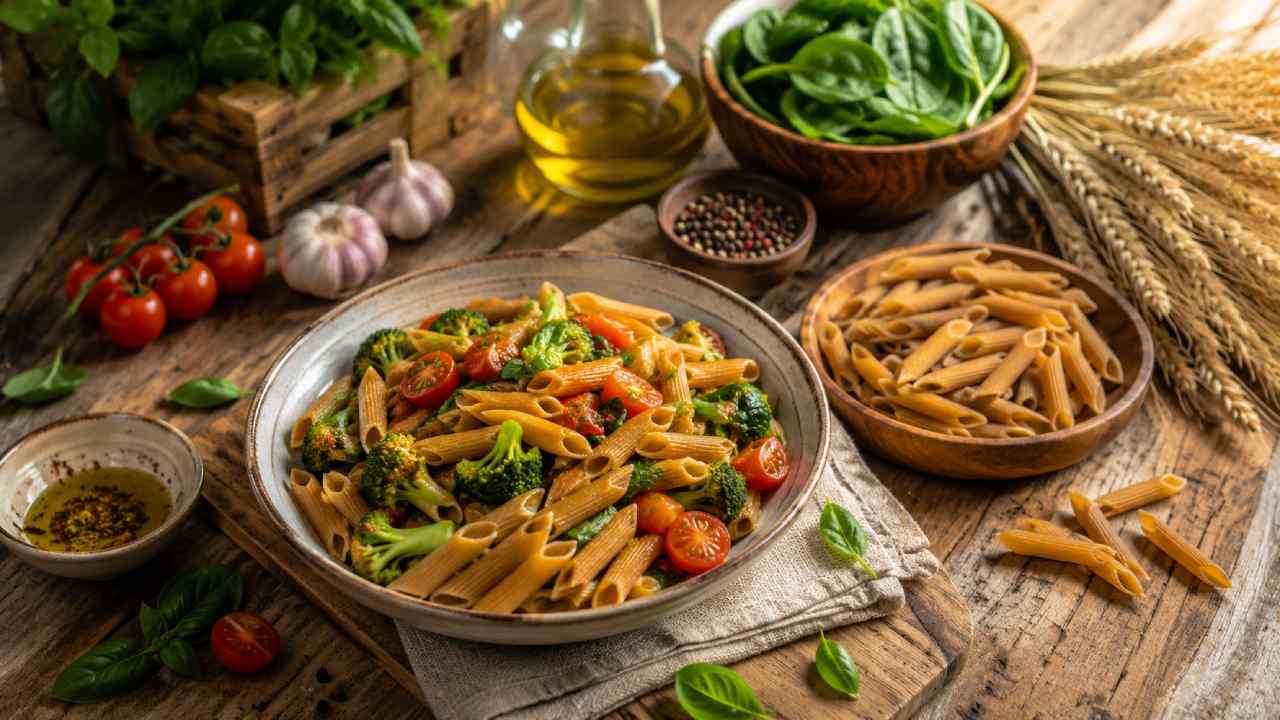
Organic Pasta Becomes a Favorite Choice for a Healthier Modern Lifestyle
LoveFoodReadyMeals – More people now pay close attention to the quality of the food they bring to the table. As this awareness grows, Organic Pasta continues to attract home cooks, health-conscious consumers, and food lovers alike. Unlike conventional pasta, organic pasta starts with ingredients grown under certified organic farming standards. Farmers avoid synthetic pesticides, artificial fertilizers, and genetically modified organisms throughout the cultivation process. Consequently, many consumers view organic pasta as a thoughtful option that combines familiar comfort with responsible food production. Rather than replacing traditional Italian recipes, it offers another way to enjoy classic meals while supporting a more mindful lifestyle.
Read Also: Victoria Sponge Cake Remains an Iconic Classic British
Organic Pasta Begins with Carefully Grown Ingredients
The journey of Organic Pasta starts long before it reaches supermarket shelves. Organic farmers grow durum wheat by following farming practices that protect soil quality, biodiversity, and natural ecosystems. Instead of relying on synthetic chemicals, they use crop rotation, compost, and other sustainable techniques to maintain healthy farmland. After harvesting the wheat, producers mill it into fine semolina flour before mixing it with water to create pasta dough. Because every step follows certified organic standards, consumers receive a product with transparent ingredient sourcing and carefully monitored production methods.
High-Quality Wheat Creates Excellent Texture
Most manufacturers produce organic pasta from organic durum wheat semolina because it naturally delivers a firm texture after cooking. Some brands also use organic whole wheat flour, which adds extra fiber and a richer, nuttier flavor. Fresh organic pasta may include certified organic eggs, while dried varieties usually contain only organic flour and water. Although the ingredient list remains simple, each component contributes to the final quality. This careful selection allows organic pasta to maintain its authentic texture while delivering the familiar taste that pasta lovers appreciate.
Why Organic Pasta Continues to Grow in Popularity
Consumer habits have changed significantly over the past several years. Today, shoppers want to know where their food comes from and how producers grow it. As a result, supermarkets now dedicate more shelf space to certified organic products than ever before. Organic pasta benefits directly from this growing interest because it combines traditional Italian cuisine with ingredients produced through sustainable farming methods. Furthermore, many families prepare more meals at home, encouraging them to choose products that align with their personal values. This steady shift continues to strengthen the demand for organic pasta around the world.
Organic Does Not Always Mean More Nutritious
Many people believe organic foods automatically contain more nutrients. However, nutrition depends mainly on the ingredients rather than the farming method alone. For example, whole wheat pasta usually provides more fiber than refined white pasta, regardless of whether farmers grow it organically. Likewise, calories, carbohydrates, and protein remain very similar when manufacturers use the same type of wheat. Therefore, consumers often choose organic pasta because they appreciate certified farming practices, ingredient transparency, and environmental responsibility instead of expecting dramatic nutritional differences.
Popular Organic Pasta Varieties for Every Recipe
Manufacturers offer organic pasta in many familiar shapes, making it easy to prepare countless recipes. Organic spaghetti pairs perfectly with tomato sauces, olive oil, and fresh herbs. Meanwhile, organic penne works beautifully with creamy sauces because its hollow shape captures every bite. Organic fusilli complements pesto, vegetables, and light pasta salads thanks to its spiral design. Many families also enjoy organic whole wheat pasta for its hearty texture and slightly nutty flavor. These familiar varieties allow home cooks to prepare traditional meals while choosing ingredients that support organic farming.
Read Also: Organic Bread Recipe Brings an Artisan Experience Loved by Healthy Bread Enthusiasts
Simple Ingredients Create Delicious Organic Pasta Meals
Organic pasta works well with countless fresh ingredients, making everyday cooking both simple and enjoyable. Many people combine it with roasted vegetables, mushrooms, spinach, tomatoes, seafood, grilled chicken, or homemade pesto. Others prefer a classic combination of garlic, extra virgin olive oil, basil, and freshly grated Parmesan cheese. Because organic pasta offers a clean and balanced flavor, it complements both rich sauces and lighter Mediterranean-inspired recipes. This flexibility allows families to prepare nutritious meals without sacrificing convenience or taste.
Choosing Organic Pasta Reflects a Mindful Lifestyle
Many consumers purchase organic pasta because they value more than convenience. They also appreciate responsible farming, environmental sustainability, and transparent food production. Organic certification helps shoppers understand how farmers grow crops and how manufacturers process ingredients before packaging the final product. Although organic pasta sometimes carries a slightly higher price, many buyers consider the additional cost worthwhile. They view every purchase as a way to support farming practices that encourage healthier soil, greater biodiversity, and long-term environmental responsibility.
Organic Pasta Fits Naturally into Modern Healthy Living
Healthy eating has evolved beyond counting calories or following restrictive diets. Today, people often focus on ingredient quality, balanced nutrition, and mindful food choices. Organic Pasta fits naturally into this lifestyle because it combines traditional comfort with carefully sourced ingredients. Whether served with colorful vegetables, lean protein, or fresh herbs, it supports meals that feel satisfying without becoming overly complicated. Its growing popularity reflects a broader movement toward conscious eating, where consumers value both delicious flavor and responsible production. Ultimately, organic pasta proves that simple ingredients and thoughtful farming can create meals that people genuinely enjoy every day.
