Organic Mushrooms Are Gaining Popularity Due to Their Rich Nutrition and Natural Flavor
LoveFoodReadyMeals – Organic Mushrooms Are Gaining Popularity as more people become interested in healthier eating habits and natural food choices. In recent years, food discussions have shifted beyond calories and basic nutrition. Instead, people now want ingredients that combine flavor, health value, and sustainable production methods. Organic mushrooms fit perfectly into that movement. Unlike conventional products, organic mushrooms are cultivated using natural growing methods with fewer synthetic substances. Consequently, consumers often associate them with cleaner food and healthier lifestyles. Moreover, food trends today increasingly focus on simple ingredients that provide meaningful benefits. Because of this shift, mushrooms have moved from being an ordinary kitchen ingredient to becoming a frequently discussed topic among food enthusiasts.
Consumer Eating Habits Continue to Change
Eating patterns today look very different compared to previous years. Many consumers no longer select food only because of taste. Instead, they want products that support long-term well-being. Therefore, organic food categories continue expanding in many markets. Organic mushrooms benefit from this transition because they align with modern health expectations. Additionally, people increasingly read labels and ingredient information before purchasing products. This behavior shows a growing awareness of food quality. As consumers become more informed, ingredients with natural origins naturally attract stronger attention. Consequently, mushrooms now receive recognition beyond traditional cooking uses.
Organic Cultivation Creates Stronger Interest
The farming process behind organic mushrooms often becomes part of their appeal. Traditional mushroom cultivation can vary depending on production systems. However, organic methods generally emphasize natural materials and environmentally conscious practices. As a result, many consumers perceive organic products as more authentic and closer to nature. Interestingly, people today often connect food choices with personal values. Therefore, sustainability and natural farming methods influence buying decisions more than before. In many ways, organic mushrooms represent both a nutritional product and a lifestyle preference.
Read Also: A Recipe for Charlotte Cake, That Captures French Culinary Art
Different Mushroom Types Offer Unique Experiences
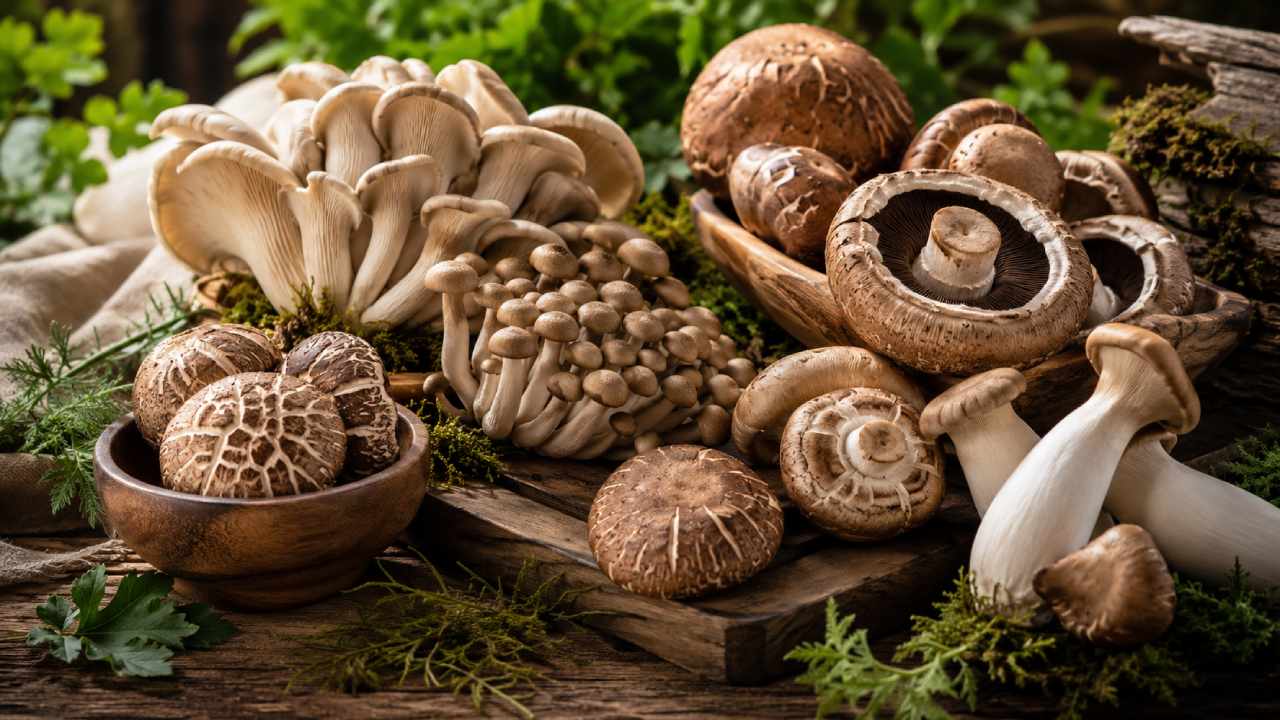
One reason mushrooms continue gaining attention involves their diversity. Several mushroom varieties provide different textures and flavors. Shiitake mushrooms often deliver deeper flavors, while oyster mushrooms create softer textures. Meanwhile, portobello mushrooms provide thicker and meatier characteristics. Consequently, mushrooms fit into many recipes and cooking styles. This flexibility increases their popularity among home cooks and professional chefs alike. Furthermore, each variety offers a slightly different experience, allowing people to experiment with meals without becoming repetitive.
Natural Umami Flavor Creates Culinary Value
Flavor remains an important reason behind the growing popularity of mushrooms. Unlike many vegetables, mushrooms contain a natural savory quality known as umami. Consequently, they often create richer flavors without requiring excessive ingredients. Many chefs appreciate mushrooms because they strengthen dishes naturally. Moreover, consumers seeking healthier eating options often look for flavorful ingredients that do not rely heavily on artificial additions. Organic mushrooms meet that expectation successfully. Personally, this balance between flavor and simplicity may explain why mushrooms continue appearing in modern recipes.
Plant-Based Trends Continue Expanding Worldwide
The rise of plant-based eating habits also supports mushroom popularity. Many people now explore alternatives to traditional animal-based products. Therefore, mushrooms frequently appear in plant-based recipes because of their texture and versatility. Portobello mushrooms, for example, often replace burger patties in various dishes. Meanwhile, shredded mushrooms sometimes appear in tacos, pasta, and healthy bowls. Interestingly, mushrooms provide satisfying textures while maintaining relatively low calorie levels. Because of this advantage, food creators continue introducing mushrooms into new culinary concepts.
Nutritional Content Attracts Health-Conscious Consumers
Nutrition plays an important role in the conversation surrounding mushrooms. Mushrooms contain dietary fiber, several B vitamins, and minerals such as selenium. Furthermore, certain varieties also provide antioxidant compounds that attract health-conscious audiences. While no single food creates complete health solutions, people increasingly value ingredients that contribute meaningful nutritional support. Consequently, mushrooms continue receiving positive attention from consumers interested in balanced eating habits. Modern eating patterns often focus on long-term consistency rather than quick results. Therefore, nutrient-rich foods naturally become attractive choices.
Social Media Also Helped Increase Visibility
Food trends spread faster than ever because of digital platforms. Attractive recipes and healthy meal ideas regularly appear across social media channels. Consequently, mushrooms frequently enter online discussions and recipe trends. Content creators often showcase mushroom-based dishes because they look visually appealing and fit modern health narratives. Additionally, consumers enjoy discovering ingredients that feel practical yet interesting. As online exposure increases, curiosity naturally follows. Therefore, mushrooms continue reaching broader audiences beyond traditional health communities.
Organic Mushrooms Reflect a Larger Lifestyle Movement
Organic mushrooms represent more than a temporary food trend. Instead, they reflect changing attitudes toward nutrition, sustainability, and food quality. Consumers increasingly search for products that support both personal health and responsible choices. Consequently, mushrooms fit naturally within that evolving landscape. Looking ahead, interest in simple ingredients with authentic value will likely continue growing. Therefore, organic mushrooms may remain part of broader food discussions for years to come.
