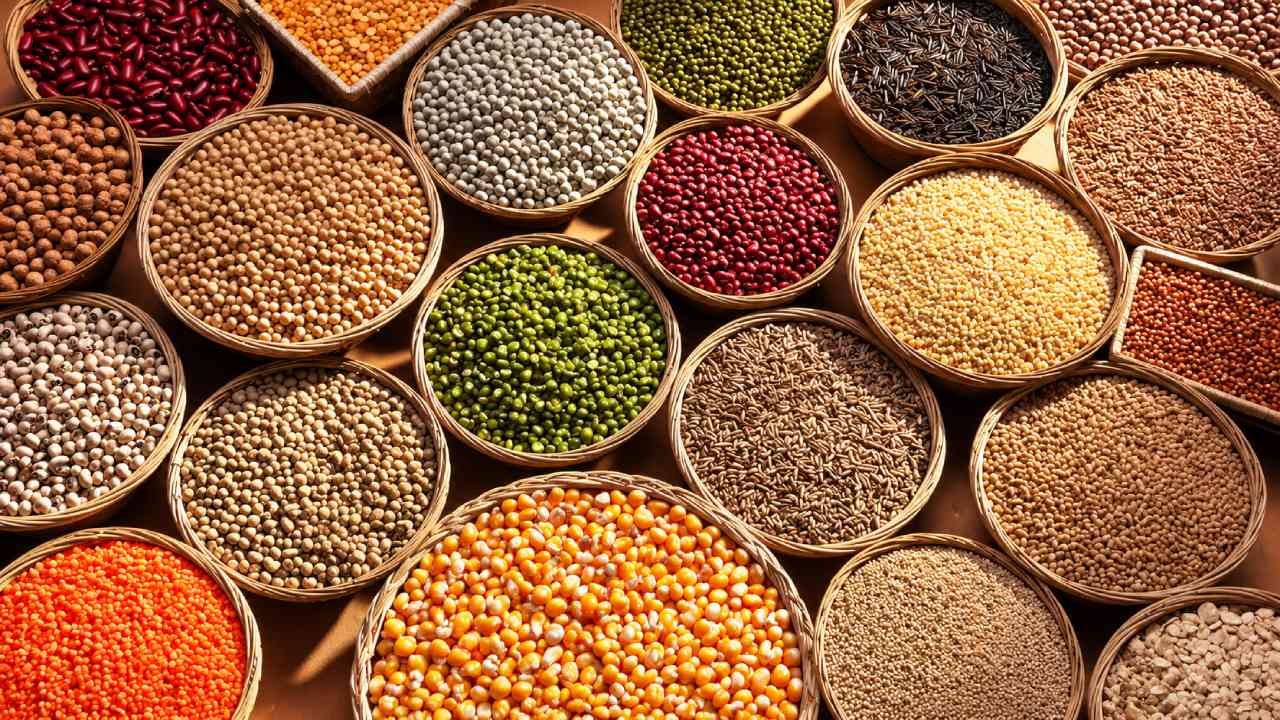
Organic Grains Are Rising as a Modern Healthy Food Choice
LoveFoodReadyMeals – Healthy eating continues to change as people explore ingredients beyond familiar pantry staples. Organic Grains have become part of that conversation. Brown rice, oats, quinoa, barley, millet, and buckwheat now appear in everything from breakfast bowls to colorful dinner plates. Their appeal comes from more than one factor. Different grains offer unique textures, flavors, and cooking possibilities. Meanwhile, choosing organic refers mainly to how agricultural ingredients are produced under specific organic standards. It does not automatically make every product nutritionally superior. Still, these grains can fit naturally into varied and balanced meals. Whole-grain options also provide fiber and other nutrients that refined grains may contain in lower amounts. More importantly, their versatility gives home cooks an easy way to make everyday meals feel less repetitive. A simple bowl can become more interesting when different grains, vegetables, proteins, herbs, and sauces come together.
Read Also: Angel Food Cake, The Fluffy Classic Everyone Loves Again
Organic Grains Bring More Variety to Everyday Meals
One reason Organic Grains attract attention is their impressive variety. Rice alone offers several possibilities. Brown rice has a chewy texture and mild nutty flavor, while black rice brings a deeper color and distinctive character. Red rice adds another earthy option. Beyond rice, quinoa provides a delicate texture, and barley offers a satisfying chew. Millet can become fluffy or creamy depending on how it is cooked. Buckwheat, meanwhile, delivers a stronger earthy flavor that works well in both savory dishes and baked foods. This range makes grains useful for cooks who want to move beyond the same ingredients every day. Instead of treating grains only as a side dish, they can become the foundation of an entire meal. Add roasted vegetables, beans, eggs, tofu, chicken, herbs, or a flavorful dressing. Suddenly, a simple grain becomes part of a colorful plate with contrasting textures and flavors.
Whole Grains Offer More Than Just a Filling Base
Whole grains retain the bran, germ, and endosperm of the original grain kernel. As a result, they generally provide more dietary fiber than heavily refined versions of the same grain. They can also contribute nutrients such as B vitamins, minerals, and plant compounds. However, nutritional profiles differ between grains, so variety remains useful. Oats, for example, contain beta-glucan, a form of soluble fiber. Brown rice provides a different nutritional profile, while barley is another source of beta-glucan. Quinoa is technically a pseudocereal rather than a true cereal grain. Nevertheless, people often use it in similar ways. It also provides all nine essential amino acids, which makes it particularly interesting in plant-focused meals. Therefore, choosing different grains can create greater variety across the weekly menu. Instead of searching for one “perfect” grain, a more practical approach is to rotate several options according to taste, recipe, and individual dietary needs.
Organic Does Not Automatically Mean More Nutritious
The word “organic” can easily create confusion. In food labeling, organic primarily describes a production system governed by specific agricultural standards. Therefore, an organic label should not be treated as a shortcut for judging the complete nutritional quality of a food. Organic white rice, for example, is still white rice. Organic whole-grain oats remain nutritionally different from a highly sweetened organic oat snack. Processing, added sugar, sodium, portion size, and the rest of the meal still matter. This distinction is important because good food choices rarely depend on one label. Instead, consumers can look at the complete product. Consider whether the grain is whole or refined. Check ingredient lists when buying packaged foods. Then consider how the grain fits into the overall meal. In my view, this approach creates a more useful conversation around Organic Grains. It respects organic farming choices without turning the word “organic” into an unrealistic health promise.
Quinoa Has Earned a Place in Modern Grain Bowls
Quinoa has moved from a specialty ingredient into many modern kitchens. Its popularity makes sense when you consider its versatility. Cooked quinoa has a light, slightly nutty character and works with vegetables, beans, avocado, eggs, chicken, and many other ingredients. It can also be served warm or chilled. Although commonly grouped with grains, quinoa is technically a pseudocereal. One notable feature is its protein profile because it provides all nine essential amino acids. Quinoa is also naturally gluten-free. However, people who strictly avoid gluten may still want products labeled accordingly to reduce concerns about cross-contact during processing. In the kitchen, quinoa works especially well as the foundation for a colorful grain bowl. Add roasted vegetables, leafy greens, chickpeas, fresh herbs, and a simple dressing. The finished meal can deliver contrasting textures without requiring complicated cooking. That practicality helps quinoa maintain its place in modern healthy-food culture.
Oats Continue to Reinvent the Everyday Breakfast
Few grains demonstrate versatility as clearly as oats. Traditional oatmeal remains popular, yet modern recipes have expanded far beyond a warm bowl of porridge. Rolled oats now appear in overnight oats, homemade granola, pancakes, muffins, snack bars, and baked breakfast dishes. Their mild flavor makes them easy to combine with fruit, yogurt, nuts, seeds, and spices. Oats are also known for beta-glucan, a soluble fiber that has been widely studied. However, preparation still matters. A bowl of oats topped with fresh berries and nuts is very different from an oat-based product loaded with added sugar. Therefore, the ingredient should be considered within the complete meal rather than in isolation. Organic oats can offer another choice for shoppers who prefer certified organic agricultural products. For people following a strict gluten-free diet, certified gluten-free oats may be necessary because cross-contact with wheat, barley, or rye can occur during production and processing.
Black Rice Turns a Simple Meal Into Something Striking
Black rice immediately stands out because of its dramatic natural color. After cooking, many varieties develop a deep purple appearance. That color comes partly from anthocyanins, a group of natural plant pigments also associated with several purple, blue, and red foods. Yet appearance is only part of its attraction. Black rice usually has a pleasantly chewy texture and a noticeable nutty flavor. These qualities make it particularly effective in modern grain bowls and salads. Pair it with roasted pumpkin, edamame, avocado, cucumber, or colorful vegetables, and the visual contrast becomes striking. It can also move into sweeter territory. Coconut milk, mango, banana, and other fruits can transform cooked black rice into a comforting dessert-style dish. Organic black rice therefore offers plenty of creative possibilities for home cooks. More importantly, it shows how an ingredient once considered unusual in some markets can become an exciting alternative to familiar white or brown rice.
Millet and Buckwheat Deserve More Attention in the Kitchen
Quinoa and oats often receive plenty of attention, but millet and buckwheat deserve space in the conversation too. Millet refers to a group of small-seeded grains with a long culinary history across different regions. Depending on the cooking method, it can become light and fluffy or soft and porridge-like. This flexibility makes it useful for breakfast, grain bowls, and savory dishes. Buckwheat is equally interesting, although its name causes confusion. Despite the word “wheat,” buckwheat is not actually wheat. It is a pseudocereal and is naturally gluten-free. Its bold, earthy flavor appears in foods such as buckwheat pancakes and some types of soba noodles. However, packaged soba may also contain wheat flour, so labels matter for people avoiding gluten. Both ingredients can add variety to a pantry dominated by rice and oats. Exploring them also reminds us that healthy cooking becomes more enjoyable when curiosity plays a role.
Barley Brings a Satisfying Texture to Comforting Recipes
Barley has a different personality from lighter grains such as quinoa. Its pleasantly chewy texture works especially well in soups, stews, and hearty grain salads. As a result, it can make simple vegetable dishes feel more substantial without requiring complicated preparation. Barley also contains beta-glucan soluble fiber, although the amount can vary according to the product and processing method. Hulled barley retains more of the grain’s outer layers, while pearled barley undergoes additional processing. This difference is worth understanding when comparing products. Barley also contains gluten, so it is unsuitable for people who need a gluten-free diet. For everyone else, it can provide another useful option in a varied grain rotation. Organic barley can pair with mushrooms, roasted vegetables, herbs, lentils, or chicken. Its texture holds up particularly well in meal-prep dishes. That durability makes it practical for people who prepare several portions ahead for busy weekdays.
Read Also: Caramel Pecan Cinnamon Bread Recipe: Sticky, Buttery, and Crunchy
Modern Grain Bowls Make Healthy Cooking Feel Less Repetitive
The popularity of grain bowls has helped ingredients such as quinoa, brown rice, millet, and black rice reach a wider audience. Their greatest advantage may be flexibility. There is no single formula that every bowl must follow. A cook can start with a grain, then add vegetables, protein, herbs, seeds, and a flavorful sauce. For example, brown rice can pair with grilled chicken and roasted broccoli. Quinoa works beautifully with chickpeas, cucumber, tomato, and lemon dressing. Meanwhile, black rice creates striking contrast with mango, avocado, and edamame. These combinations make everyday meals easier to customize. They also encourage people to use seasonal ingredients rather than following one rigid recipe. Organic Grains fit naturally into this approach because shoppers can choose from many certified options. However, balance still matters more than trendy presentation. A colorful bowl becomes more meaningful when its ingredients work together to provide satisfying flavor, texture, and nourishment.
Choosing Organic Grains Starts With Reading the Label
Shopping for Organic Grains becomes easier when consumers know what they are actually looking for. First, a credible organic certification or label can help confirm that a product follows the applicable organic standard in its market. However, organic certification and whole-grain status describe different things. A grain can be organic but refined. Likewise, a whole grain does not automatically have to be organic. Therefore, both details may deserve attention depending on personal priorities. Packaged grain products require another step. Check the ingredient list for added sugars, sodium, oils, or other ingredients that can significantly change the final food. This is particularly useful for cereals, granola, crackers, and flavored grain mixes. Simple products often make comparison easier. Ultimately, Organic Grains should not be viewed as a magic solution for healthy eating. They are better understood as one category within a diverse food pattern that can include vegetables, fruits, legumes, proteins, nuts, seeds, and other minimally processed foods.
Organic Grains Give Traditional Staples a Modern Identity
Grains have fed communities for generations, so their current popularity is not really a new invention. What has changed is the way many people combine and present them. Ancient staples now appear in colorful bowls, modern salads, plant-forward meals, breakfast recipes, and creative desserts. Organic Grains add another dimension by connecting these familiar foods with an agricultural production approach that some consumers value. Still, their strongest appeal may be simpler than any trend. Grains are adaptable. Brown rice can anchor a comforting dinner, oats can become breakfast, and quinoa can form a fresh lunch bowl. Black rice can even move between savory dishes and desserts. Meanwhile, millet, barley, and buckwheat offer different textures for anyone willing to explore beyond familiar staples. This variety makes healthy cooking feel less restrictive. Rather than chasing one fashionable ingredient, home cooks can build a diverse pantry and choose grains according to flavor, texture, season, and the meal they actually want to eat.
