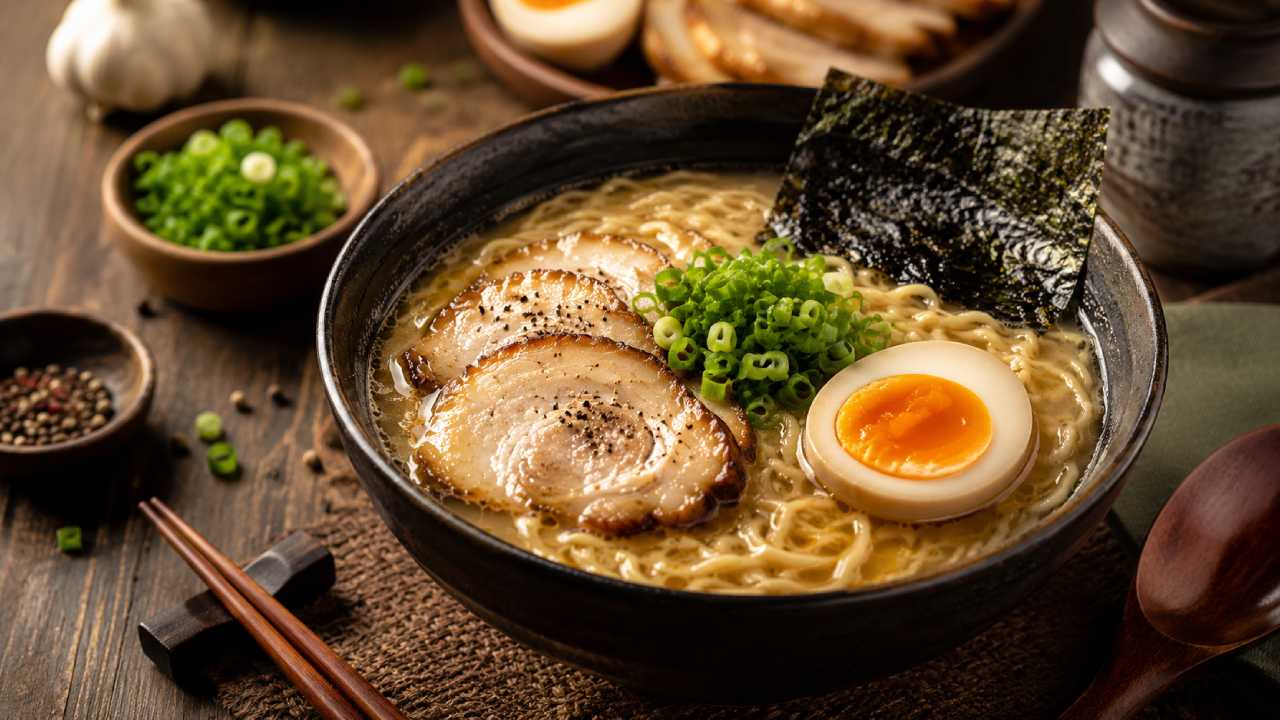
The Secret to the Deliciousness of Japanese Ramen That Makes People Addicted
LoveFoodReadyMeals – Japanese Ramen has transformed from a simple Japanese comfort food into one of the most popular dishes in the global culinary scene. Today, ramen can be found in countless restaurants across different countries, attracting food lovers from various backgrounds. One of the main reasons behind its popularity is its ability to combine rich flavors, satisfying textures, and comforting warmth in a single bowl. Furthermore, ramen offers an experience that feels both traditional and modern at the same time. Many travelers even include famous ramen shops in their travel itineraries when visiting Japan. Social media has also played a major role in introducing ramen culture to a broader audience. As more people share their dining experiences online, curiosity about Japanese Ramen continues to grow. Therefore, it is not surprising that this iconic dish remains a favorite among food enthusiasts worldwide.
Read Also: Carrot Walnut Cake Gains Popularity as a Healthy Dessert Without Sugar Crash
The Rich Broth That Creates an Unforgettable Flavor
The broth is often described as the soul of Japanese Ramen because it provides the foundation for every bowl. Professional ramen chefs spend hours, and sometimes even days, preparing broth that delivers exceptional depth and complexity. Bones, vegetables, seafood, and carefully selected seasonings are simmered slowly to extract maximum flavor. As a result, the broth develops a rich character that distinguishes ramen from ordinary noodle soups. Tonkotsu broth is creamy and bold, while shoyu broth delivers a lighter soy-based flavor profile. Meanwhile, miso ramen offers a savory and slightly sweet taste that many people enjoy. The aroma released from a steaming bowl further enhances anticipation before the first bite. Consequently, the broth becomes one of the most memorable aspects of Japanese Ramen and a major reason people keep returning for more.
Perfect Noodles That Complement Every Bowl
Although the broth receives much attention, the noodles are equally important in creating an outstanding ramen experience. Ramen noodles are specifically crafted to complement different broth styles and flavor intensities. Their thickness, texture, and firmness vary depending on the regional ramen style being prepared. Moreover, many ramen noodles contain kansui, an alkaline ingredient that gives them their distinctive chewy texture and golden color. This unique characteristic allows the noodles to remain firm even after absorbing broth. In addition, properly cooked noodles create a pleasant contrast with the richness of the soup. Every bite feels balanced because the noodles carry just enough broth without becoming overly soft. Therefore, the quality and preparation of the noodles play a crucial role in making Japanese Ramen highly satisfying and memorable.
Flavorful Toppings That Complete the Experience
Toppings add another layer of flavor and visual appeal that enhances the overall ramen experience. Common toppings include chashu pork, marinated soft-boiled eggs, bamboo shoots, seaweed, corn, and fresh green onions. Each ingredient contributes its own texture and taste, creating a harmonious combination inside the bowl. Furthermore, toppings help balance the richness of the broth by introducing freshness and variety. For example, green onions add a refreshing note, while chashu pork provides a savory and tender element. The carefully arranged presentation also makes ramen visually attractive before it is even tasted. As a result, diners often appreciate ramen with both their eyes and their palate. Consequently, toppings play a significant role in transforming a simple noodle dish into a complete culinary experience.
The Science Behind Why People Crave Japanese Ramen
Many food experts believe that Japanese Ramen triggers strong cravings because it contains a powerful combination of umami, fat, and aroma. Umami is often referred to as the fifth taste and is known for creating deep savory satisfaction. When umami-rich ingredients are combined with slow-cooked broth and flavorful toppings, they produce a highly enjoyable eating experience. Furthermore, warm foods naturally create feelings of comfort and relaxation, especially during colder seasons. The balance of saltiness, richness, and texture also stimulates multiple senses simultaneously. In addition, the variety of ingredients prevents flavor fatigue, keeping each bite interesting from start to finish. This sensory balance encourages people to return for another bowl. Therefore, the science of flavor helps explain why Japanese Ramen can become so addictive for many diners.
Regional Variations Keep Japanese Ramen Exciting
One fascinating aspect of Japanese Ramen is the diversity found across different regions of Japan. Every region has developed its own unique interpretation based on local ingredients and culinary traditions. For instance, Sapporo is famous for its rich miso ramen, while Hakata is known for creamy tonkotsu ramen. Tokyo ramen typically features a lighter soy-based broth that highlights simplicity and balance. Moreover, these regional differences encourage travelers to explore multiple ramen styles during their journeys. Many ramen enthusiasts even create lists of famous ramen destinations they hope to visit. Because there is always something new to discover, interest in ramen continues to grow. As a result, regional diversity helps maintain the dish’s popularity among both locals and international visitors.
The Cultural Significance of Japanese Ramen
Japanese Ramen represents much more than a popular meal because it has become an important part of modern Japanese culture. Small ramen shops can be found throughout cities, towns, and neighborhoods across the country. These establishments often serve as gathering places where people enjoy quick yet satisfying meals. Furthermore, ramen reflects the dedication and craftsmanship of chefs who spend years perfecting their recipes. Customers often develop loyalty to specific ramen shops because each location offers a unique flavor profile. In addition, ramen has inspired museums, festivals, and television programs dedicated to celebrating its history. The cultural appreciation surrounding ramen continues to attract food lovers from around the world. Therefore, Japanese Ramen remains deeply connected to both everyday life and culinary heritage in Japan.
Why Japanese Ramen Continues to Dominate Food Trends
Food trends frequently change, yet Japanese Ramen consistently remains relevant and widely loved. One reason is its remarkable ability to adapt while preserving traditional techniques and flavors. Modern chefs continue experimenting with ingredients, presentation styles, and innovative broth recipes. At the same time, classic ramen varieties maintain their strong appeal among traditional food enthusiasts. Furthermore, ramen appeals to a broad audience because it can be customized according to personal preferences. Some people enjoy rich and creamy broths, while others prefer lighter and more delicate flavors. This flexibility allows ramen to remain exciting despite its long history. Consequently, Japanese Ramen continues to dominate food discussions and culinary trends around the world.
Read Also: Grinder Pasta Salad Becomes the Viral Recipe of Summer 2026, Why Are So Many People Addicted?
Homemade Japanese Ramen Recipe
Ingredients
● 200 grams ramen noodles
● 500 ml chicken broth
● 2 cloves garlic, minced
● 1 tablespoon soy sauce
● 1 teaspoon sesame oil
● 2 slices chashu pork or grilled chicken
● 1 soft-boiled egg
● Green onions, sliced
● Nori seaweed
● Salt and pepper to taste
How to Make Japanese Ramen
Steps
- Heat the chicken broth in a pot over medium heat.
- Add minced garlic, soy sauce, sesame oil, salt, and pepper.
- Simmer the broth for 10–15 minutes to develop flavor.
- Cook the ramen noodles according to the package instructions.
- Drain the noodles and place them into a serving bowl.
- Pour the hot broth over the noodles evenly.
- Arrange the pork, soft-boiled egg, seaweed, and green onions on top.
- Serve immediately while hot for the best taste and texture.
Tips for Making Better Japanese Ramen
● Use homemade broth whenever possible for deeper flavor.
● Choose fresh noodles for a more authentic texture.
● Avoid overcooking the noodles because they can become soft.
● Marinate eggs overnight for richer flavor.
● Add toppings just before serving to preserve freshness.
● Taste the broth before serving and adjust seasoning if needed.
● Use quality soy sauce for a more balanced umami flavor.
● Serve immediately after preparation for the best experience.
Final Thoughts
Japanese Ramen is far more than a simple noodle dish because it combines tradition, craftsmanship, and flavor in a truly remarkable way. From its rich broth and carefully crafted noodles to its flavorful toppings, every component serves an important purpose. Furthermore, the balance of umami, aroma, and texture creates an experience that many people find deeply satisfying. The dish also reflects the cultural heritage and culinary innovation of Japan. Whether enjoyed in a famous ramen shop or prepared at home, Japanese Ramen continues to deliver comfort and excitement with every bowl. Its versatility allows it to appeal to a wide range of tastes and preferences. As food trends evolve, ramen remains a timeless favorite among culinary enthusiasts. Therefore, it is easy to understand why Japanese Ramen continues to captivate people around the world.
