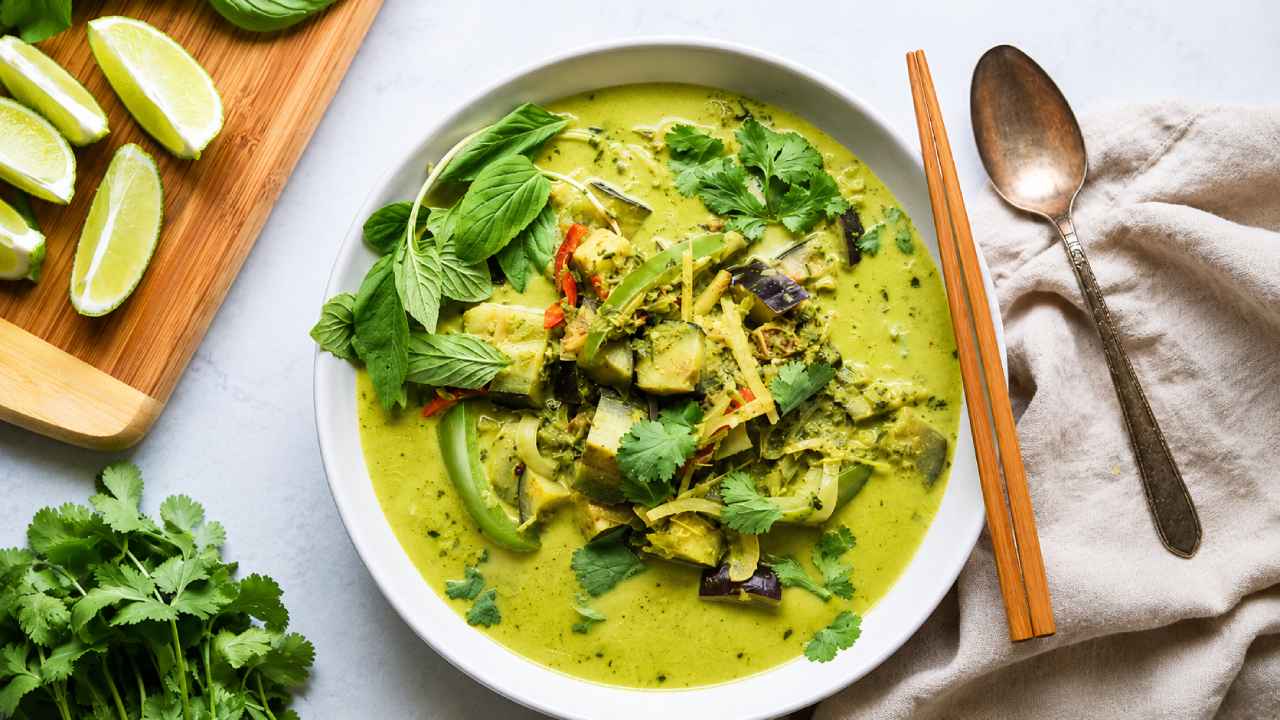
Green Curry Continues to Win the Hearts of Asian Food Lovers
LoveFoodReadyMeals – Green Curry continues to attract Asian food lovers with its bright color, creamy texture, and layered aroma. This famous Thai dish combines fresh herbs, coconut milk, chili, and savory seasonings in one comforting bowl. Although many curries rely on dried spices, this recipe uses a fresh green paste. Therefore, the flavor feels lively, fragrant, and deeply satisfying. Its balanced character also makes it easier to enjoy with rice, noodles, meat, seafood, or vegetables.
Read Also: Food Lovers Can’t Wait to Try Wisconsin State Fair’s Newest Creations
Green Curry Offers a Distinctive Thai Flavor
Green Curry stands apart because it brings several flavors together without allowing one element to dominate. The first taste often feels creamy because of the coconut milk. Soon after, chili adds heat, while herbs create a fresh aroma. Fish sauce provides saltiness and umami. Meanwhile, palm sugar softens the stronger notes. As a result, the dish feels complex but still easy to enjoy. This balance explains why it remains popular in Thai restaurants around the world.
Fresh Curry Paste Creates Its Signature Character
The heart of Green Curry lies in its fragrant paste. Traditional cooks prepare it with green chili, lemongrass, galangal, garlic, shallots, coriander root, kaffir lime peel, and shrimp paste. These ingredients are crushed until smooth. Afterward, the paste is cooked gently to release its natural oils. This step matters because raw herbs can taste sharp. Once heated, however, they become warmer and more aromatic. Therefore, a well-prepared paste can transform a simple curry into a memorable dish.
Coconut Milk Adds Richness Without Hiding the Spices
Coconut milk gives the curry its soft body and smooth finish. However, it should not overpower the herbs. Skilled cooks usually heat the thicker coconut cream first. Then, they fry the curry paste until the aroma becomes stronger. More coconut milk is added later to create the sauce. This method builds depth and prevents the curry from tasting flat. In addition, coconut milk helps soften the chili heat. Even so, the dish can remain spicy depending on the amount of green chili used.
Thai Herbs Bring Freshness to Every Bowl
Fresh herbs play an important role in Green Curry. Thai basil adds a sweet and slightly peppery aroma. Kaffir lime leaves bring a clean citrus note. Lemongrass and galangal create a fresh base that feels different from Indian-style curries. Furthermore, these herbs make the dish smell appealing before the first bite. Their aroma often becomes one of the strongest memories associated with the meal. For that reason, using fresh herbs usually produces a better result than relying only on dried substitutes.
Green Curry Works Well With Many Proteins
Chicken remains one of the most common ingredients in Green Curry. However, the sauce also pairs well with beef, shrimp, fish, tofu, and mushrooms. Each option changes the overall character of the dish. Chicken creates a familiar and comforting meal. Beef adds a richer taste. Seafood brings natural sweetness. Meanwhile, tofu absorbs the sauce and works well in a meat-free version. Because of this flexibility, the curry can suit many diets and dining preferences.
Vegetables Add Texture and Balance
Traditional versions often include Thai eggplant and pea eggplant. These vegetables give the curry a mild bitterness and firm texture. However, cooks outside Thailand may use zucchini, green beans, bell peppers, bamboo shoots, or broccoli. While these additions are less traditional, they can still complement the sauce. Vegetables also help balance the richness of coconut milk. In addition, they add color and make the meal feel more complete. A good mix of textures keeps every spoonful interesting.
Jasmine Rice Remains the Classic Companion
Green Curry is most often served with jasmine rice. The rice has a soft texture and gentle floral aroma. More importantly, it absorbs the sauce without competing with its strong flavors. This combination creates a balanced meal. The rice also reduces the intensity of the chili, which makes the dish easier to enjoy. In some regions, people serve the curry with rice noodles or roti. Nevertheless, jasmine rice remains the most familiar choice for many diners.
Read Also: Organic Focaccia Recipe Inspired by BioBäckerei with Olive Oil and Fresh Rosemary
Its Popularity Continues Beyond Thailand
Green Curry has become a common menu item in Asian restaurants across Europe, North America, Australia, and Southeast Asia. Its popularity comes from several factors. First, the color looks attractive. Second, the aroma feels distinctive. Third, the dish can be adjusted for different spice levels. Moreover, ready-made curry pastes have made it easier to prepare at home. Although these products save time, the best results still depend on fresh coconut milk, herbs, and careful seasoning.
Authentic Flavor Depends on Careful Seasoning
A successful curry requires balance rather than extreme heat. Too much sugar can make it heavy. Too much fish sauce can overpower the herbs. Likewise, too much coconut milk may weaken the curry paste. Therefore, cooks should taste the sauce several times during preparation. Small adjustments often make the biggest difference. A little palm sugar can round out the chili. A few drops of fish sauce can deepen the flavor. Fresh basil added at the end can also brighten the final dish.
Green Curry Reflects the Strength of Thai Cuisine
Green Curry shows why Thai cuisine has gained such a strong global following. It combines freshness, richness, heat, sweetness, and aroma in a clear but harmonious way. The dish also respects local ingredients while remaining flexible enough for modern kitchens. For Asian food lovers, it offers more than comfort. It also provides a direct introduction to the structure of Thai cooking. Each ingredient serves a purpose, and every flavor supports the next. That thoughtful balance keeps Green Curry relevant across generations.
