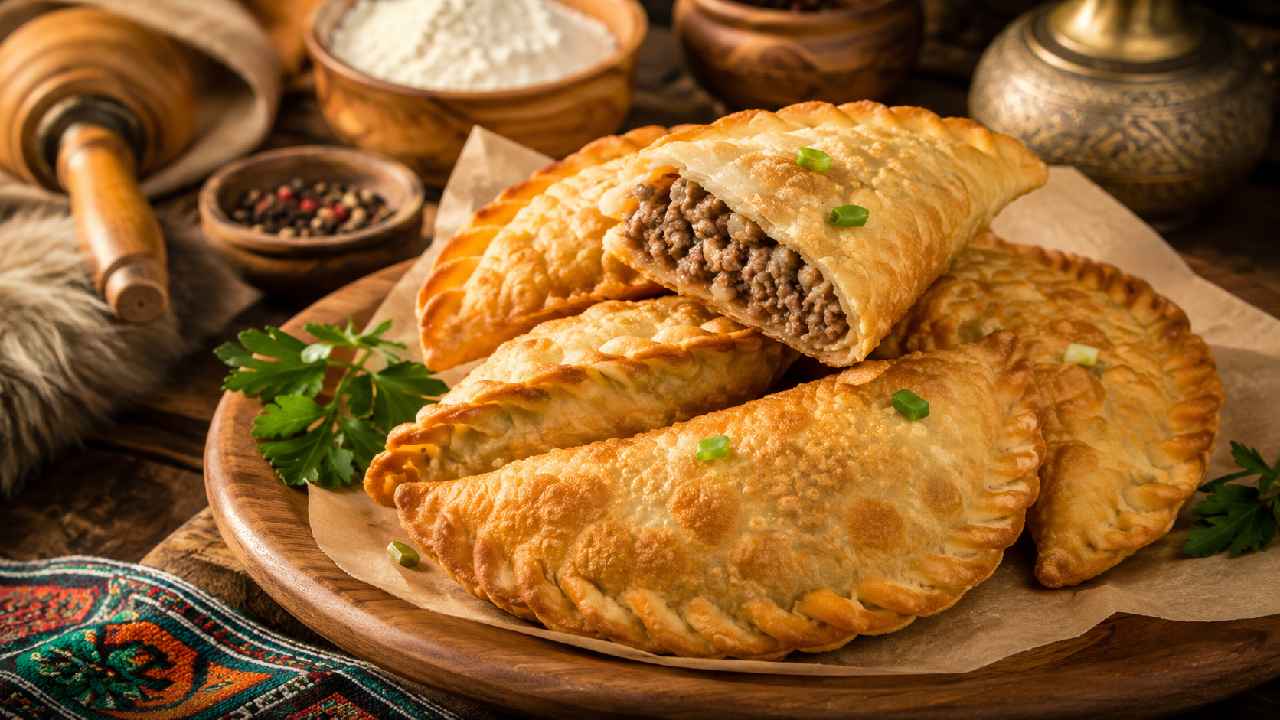
Discover Asian Khuushuur: Mongolia’s Traditional Fried Meat Pastry
LoveFoodReadyMeals – Khuushuur is one of Mongolia’s most recognizable traditional foods. At first glance, it looks like a simple fried pastry. However, the dish carries a much deeper story about nomadic life, family gatherings, and national identity. The outer layer is crisp and golden, while the inside holds seasoned minced meat that stays juicy after frying. Unlike many Asian dishes that use complex sauces or long lists of spices, Khuushuur relies on a few basic ingredients. This simplicity allows the flavor of the meat to remain at the center. Moreover, the dish feels both practical and comforting. It is easy to hold, filling enough for a full meal, and satisfying in cold weather. For many visitors, tasting Khuushuur becomes an accessible introduction to Mongolian food culture. It proves that a memorable dish does not always need elaborate preparation. Sometimes, careful technique and honest ingredients create the strongest impression.
Read Also: Easy Beef Bulgogi Recipes That Deliver Authentic Korean Flavors Every Time
A Traditional Pastry Shaped by Nomadic Life
Mongolian cuisine developed around the needs of people living across wide grasslands and harsh seasonal climates. As a result, meat, dairy, flour, and animal fat became central ingredients. Khuushuur fits naturally into this tradition because it combines protein-rich filling with a simple wheat-based wrapper. The dish is practical, portable, and capable of providing lasting energy. In earlier generations, foods like this helped support long days of travel, livestock care, and outdoor work. Furthermore, the recipe did not require rare spices or complicated tools. Families could prepare it with ingredients that were already available. This practical origin remains important today. Although modern kitchens now use improved equipment and a wider range of ingredients, the basic character of Khuushuur has stayed remarkably consistent. In my view, that continuity explains much of its appeal. The dish has adapted to modern life without losing the values that shaped it.
The Classic Filling Keeps the Meat at the Center
Traditional Khuushuur usually contains minced mutton or beef. Onion, salt, and black pepper provide the main seasoning. Some cooks also add garlic or a small amount of water to keep the filling moist. However, the flavor profile remains deliberately restrained. The goal is not to hide the meat beneath heavy spice. Instead, the seasoning supports its natural richness. Mutton offers a deeper and more distinctive taste, while beef gives the pastry a milder and more familiar character. Both versions can be delicious when the meat contains enough fat to remain juicy during frying. Lean filling may become dry, especially if the pastry cooks too long. Therefore, experienced cooks pay close attention to the meat-to-fat balance. This detail may seem minor, yet it strongly affects the finished texture. A well-made Khuushuur should release a small amount of savory juice when opened, without becoming greasy or soggy.
A Simple Dough Creates the Signature Crisp Texture
The dough for Khuushuur generally uses flour, water, and salt. Although the ingredient list is short, proper handling makes a major difference. First, the dough should be kneaded until smooth and elastic. Then, it needs time to rest. This step allows the gluten to relax, making the dough easier to roll. After resting, cooks divide it into small pieces and shape each one into a thin round. The center should be strong enough to hold the filling, while the edges must remain flexible for sealing. If the dough is too thick, the pastry may feel heavy. On the other hand, overly thin dough can tear during frying. Therefore, balance is essential. The best wrappers become crisp on the outside while still offering a slight chew beneath the surface. That contrast gives Khuushuur its recognizable bite and separates it from softer steamed dumplings.
Careful Sealing Prevents the Filling from Escaping
Once the filling reaches the center of the dough, the wrapper is folded into a half-moon or oval shape. The edges are then pressed together firmly. Some cooks pinch the border with their fingers, while others use a decorative crimp. Although the pattern can improve appearance, the seal serves a more important purpose. It must keep hot juices inside the pastry during frying. Even a small gap can allow moisture to escape into the oil. As a result, the pastry may split or create dangerous splattering. Therefore, cooks often remove trapped air before closing the edges completely. This method also helps the Khuushuur cook more evenly. In traditional home kitchens, shaping the pastries often becomes a shared activity. One person rolls the dough, another adds the filling, and others seal each piece. Consequently, the process feels social rather than purely practical.
Frying Gives Khuushuur Its Golden Character
Khuushuur is fried in hot oil until both sides become golden brown. The temperature must remain steady throughout the process. If the oil is too cool, the pastry absorbs too much fat and becomes heavy. If it is excessively hot, the outside may darken before the filling cooks fully. For this reason, moderate heat usually creates the most reliable result. Cooks often fry the pastries in small batches to avoid lowering the oil temperature. During frying, the wrapper may puff slightly as steam forms inside. This effect creates small crisp pockets on the surface. After cooking, the pastries rest briefly on a rack or absorbent paper. However, they are best served while still warm. At that moment, the crust remains crisp, while the meat inside stays tender and aromatic. The contrast between those two textures defines a successful Khuushuur.
Khuushuur Plays a Major Role During the Naadam Festival
Khuushuur is strongly connected with Naadam, Mongolia’s most famous national festival. The celebration features traditional wrestling, horse racing, and archery. During the event, food stalls and family gatherings serve large quantities of the fried pastry. For many Mongolians, eating Khuushuur during Naadam is part of the experience itself. The aroma of frying dough and seasoned meat becomes closely linked with the excitement of the festival. In this context, the dish represents more than convenience. It becomes a symbol of celebration, heritage, and shared memory. Thousands of visitors may enjoy it while watching competitions or meeting relatives. Moreover, the food suits a busy festival environment because it can be eaten without formal table service. This connection between food and national tradition gives Khuushuur cultural weight that extends far beyond its simple recipe.
Read Also: Organic Bread Is Gaining Popularity: Discover the Natural Ingredients Behind Its Delicious Taste
Modern Variations Expand the Traditional Recipe
Although the classic version remains the most respected, modern cooks have introduced several variations. Some use chicken, lamb, or mixed meat. Others experiment with mushrooms, cabbage, cheese, or plant-based fillings. These adaptations make the pastry accessible to different preferences. Restaurants outside Mongolia may also adjust the seasoning to suit local tastes. For example, they might add herbs, chili, or dipping sauces. However, too many changes can weaken the original character of the dish. In my opinion, the best modern versions preserve the crisp wrapper and savory filling while allowing only thoughtful updates. A vegetable Khuushuur can still feel authentic in spirit if it respects the basic structure and cooking method. Innovation works best when it builds on tradition rather than replacing it completely.
How Khuushuur Compares with Other Asian Meat Pastries
Across Asia, many cuisines feature filled dough that is steamed, baked, boiled, or fried. Chinese jiaozi, Japanese gyoza, Indian samosas, and Central Asian chebureki all share certain similarities with Khuushuur. However, each dish reflects its own culinary environment. Khuushuur generally uses a larger, flatter shape than many dumplings. Its seasoning is also simpler, with stronger attention given to the meat itself. Compared with samosas, it uses fewer spices and a less layered filling. Compared with gyoza, it feels more substantial and less delicate. These differences make Khuushuur easy to recognize even within the broad family of Asian stuffed pastries. The comparison also shows how similar cooking ideas develop in unique ways across regions. Filled dough may be universal, yet local ingredients and traditions always shape the final result.
Why Khuushuur Deserves Greater Global Recognition
Khuushuur deserves more international attention because it offers flavor, history, and cultural meaning in one approachable dish. It does not require unfamiliar ingredients, yet it still delivers a distinctive experience. Food lovers can understand its appeal immediately: crisp dough, savory meat, and a warm interior. At the same time, the dish opens a window into Mongolian life and the practical intelligence of nomadic cooking. Moreover, its adaptable format gives it strong potential in modern restaurants and home kitchens. It can work as street food, a shared appetizer, or a complete meal. As global diners become more curious about underrepresented cuisines, Khuushuur has an opportunity to reach a wider audience. Its strength lies in authenticity rather than novelty. The recipe feels timeless because it continues to serve the same purpose it always has—bringing nourishment, warmth, and people together.
