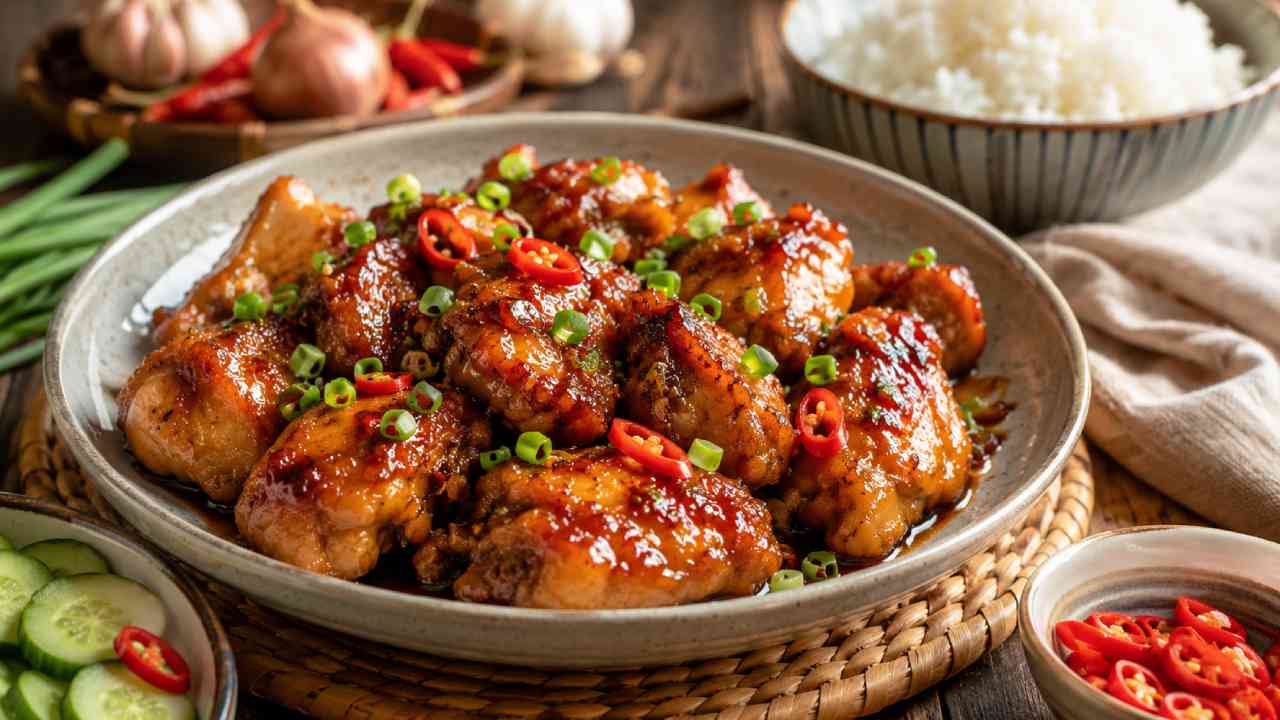
Vietnamese Caramel Chicken with a Rich Sweet and Savory Glaze
LoveFoodReadyMeals – Vietnamese Caramel Chicken turns simple chicken into a glossy, deeply flavorful meal with an appealing balance of sweet and savory notes. The dish takes inspiration from Vietnamese caramelized preparations, where sugar develops a rich amber color before joining salty and aromatic ingredients. As the chicken cooks, the sauce reduces and coats each piece with a beautiful glaze. However, this is not the sugary caramel you would expect on a dessert. Fish sauce, garlic, shallots, and black pepper push the flavor firmly into savory territory. Meanwhile, caramelized sugar adds depth and a gentle bittersweet edge. The result feels comforting without becoming heavy. Better still, steamed rice absorbs the extra sauce and creates an easy, satisfying dinner. For home cooks exploring Vietnamese flavors, this recipe offers an approachable starting point. It uses familiar cooking techniques while introducing a clever way to build complexity from a short list of ingredients.
Read Also: Greek Yogurt Fruit Salad with Fresh Fruits and Creamy Dressing
Why Caramel Works So Well in a Savory Chicken Dish
At first, caramel and chicken may sound like an unusual combination. Yet the idea makes sense once sugar begins to caramelize. Heat changes its simple sweetness into deeper toasted flavors. Therefore, caramel can add more than sugar to a savory dish. The key is balance. Fish sauce provides saltiness and umami, while garlic and shallots add aromatic depth. Fresh chili can bring gentle heat, and black pepper adds a warm finish. Together, these ingredients prevent the glaze from tasting like candy. Instead, the sauce becomes bold and layered. Another advantage comes from reduction. As the chicken simmers, water evaporates and the sauce becomes more concentrated. It eventually clings to the meat rather than sitting loosely in the pan. That glossy finish is one of the reasons Vietnamese Caramel Chicken looks as inviting as it tastes.
Ingredients You Will Need
The ingredient list is relatively short, so quality and balance matter. Chicken thighs work especially well because they stay tender during simmering. Boneless thighs make serving easier, while bone-in pieces can provide a richer texture. Before cooking, prepare everything nearby because caramel can change color quickly.
• 1½ pounds boneless chicken thighs, cut into large pieces
• 3 tablespoons granulated or brown sugar
• 2½ tablespoons fish sauce
• 3 garlic cloves, finely minced
• 2 shallots, thinly sliced
• ¾ cup coconut water or water
• 1 tablespoon neutral cooking oil
• ½ teaspoon freshly ground black pepper
• 1 small red chili, sliced, optional
• 2 green onions, thinly sliced
• Steamed jasmine rice, for serving
Coconut water adds mild sweetness, while plain water creates a cleaner sauce. Most importantly, use fish sauce carefully. Different brands vary in saltiness, so tasting near the end gives you better control.
How to Make Vietnamese Caramel Chicken
The cooking process moves quickly at first, so have the ingredients ready. Once the sauce begins simmering, however, the recipe becomes much more relaxed.
- Pat the chicken dry with paper towels. This helps the surface brown more effectively.
- Heat the oil in a wide skillet over medium heat. Add the chicken and sear it briefly. Then transfer it to a plate.
- Lower the heat slightly. Add the sugar and let it melt without excessive stirring.
- Watch the color carefully. When the sugar reaches a deep amber shade, add the shallots and garlic carefully.
- Pour in the coconut water slowly, followed by the fish sauce. Stir until the caramel loosens into the liquid.
- Return the chicken to the pan. Add black pepper and chili if desired.
- Simmer uncovered until the chicken cooks through and the sauce reduces into a glossy glaze.
- Finish with green onions and serve immediately with warm jasmine rice.
The final sauce should coat the chicken lightly rather than resemble a thin broth.
The Caramel Stage Makes the Biggest Difference
The most important moment comes before the chicken begins simmering. Sugar moves from melted to caramelized surprisingly fast. Initially, it becomes clear and bubbly. Soon afterward, it turns golden and then amber. Aim for a deep amber color without letting it become extremely dark. If the caramel burns, it can make the entire dish unpleasantly bitter. Therefore, stay beside the pan during this stage. Once the correct color appears, carefully add the next ingredients to slow the caramelization. Be cautious because liquid can cause hot caramel to bubble vigorously. If the caramel hardens after adding liquid, do not panic. Gentle heat and stirring will usually dissolve it again. In my experience, slightly darker caramel produces a more interesting savory flavor than pale caramel. Still, there is a narrow line between pleasantly toasted and burned. Watching the color matters more than following an exact cooking time.
How to Keep the Chicken Tender and Juicy
Chicken thighs make this recipe forgiving because they contain more fat than chicken breast. As a result, they remain juicy while the sauce reduces. Still, a few techniques improve the texture. First, avoid cutting the meat into very small pieces. Larger chunks have more time to absorb flavor without drying out. Second, keep the sauce at a gentle simmer instead of a violent boil. High heat may reduce the liquid too quickly before the chicken becomes tender. Finally, watch the sauce near the end. Once it becomes thick and glossy, it can move from perfect to overly sticky in a short time. If the glaze becomes too concentrated, add a small splash of water. Conversely, if it remains thin after the chicken cooks, remove the chicken briefly and reduce the sauce for another minute or two.
What to Serve With Vietnamese Caramel Chicken
Steamed jasmine rice is the easiest partner for Vietnamese Caramel Chicken. Its mild flavor balances the intense glaze, while the grains absorb any sauce left on the plate. However, vegetables can make the meal feel fresher. Try steamed bok choy, sautéed green beans, broccoli, or a crisp cucumber salad. Pickled carrots and daikon also provide acidity that cuts through the sweet-savory sauce. For a simple dinner, place rice in each bowl and spoon the glazed chicken over the top. Then add cucumber, green onions, and fresh chili. The contrast between warm chicken and crisp vegetables makes each bite more interesting. If you prefer a lighter meal, reduce the rice portion and add more vegetables. Either way, avoid pairing the chicken with another heavily seasoned main dish. The caramel glaze already carries plenty of character, so simple sides usually create the best balance.
Easy Ways to Adjust the Flavor
One advantage of home cooking is the ability to adjust a dish without losing its basic identity. If you prefer less sweetness, use slightly less sugar and allow the caramel to reach a deeper amber color. For more heat, add fresh bird’s eye chili or a small amount of crushed chili. Meanwhile, extra black pepper creates warmth without overwhelming the caramel flavor. If the finished sauce tastes too salty, a splash of water can soften it. If it tastes too sweet, a little more fish sauce may restore balance. However, add adjustments gradually because concentrated sauces change quickly. Garlic lovers can add another clove, while extra shallots create more natural sweetness. The goal is not to make every flavor equally strong. Instead, aim for a clear balance where caramel, fish sauce, aromatics, and chicken support one another.
Read Also: Basque Cheesecake Bun Is Turning Heads, Bread and Cheesecake Become One
Common Mistakes That Can Change the Final Result
The biggest mistake is walking away while the sugar caramelizes. Burned sugar cannot easily be rescued, so starting again is usually better. Another common issue is adding too much fish sauce before tasting the finished glaze. Since the liquid reduces, saltiness becomes stronger as the sauce concentrates. Therefore, moderate seasoning early gives you more control later. Overcrowding the skillet can also prevent the chicken from browning properly. Use a wide pan or work in batches if necessary. In addition, avoid reducing the sauce until it becomes extremely thick. The glaze will continue to tighten slightly after leaving the heat. Finally, remember that caramel sauce becomes very hot. Add liquids carefully and keep your face and hands away from sudden steam. These small details make the recipe more predictable, especially for anyone trying savory caramel cooking for the first time.
How to Store and Reheat Leftovers
Leftover Vietnamese Caramel Chicken can make an excellent lunch the next day because the strong savory flavors remain satisfying after refrigeration. First, let the chicken cool before placing it in an airtight container. Refrigerate it promptly and use it within a few days, following normal food-safety practices. For reheating, a small skillet works particularly well. Add a splash of water and warm the chicken gently until it reaches a safe serving temperature. The water helps loosen the caramel glaze, which can become thicker in the refrigerator. A microwave also works for convenience. Cover the container loosely and heat in short intervals, stirring between each round. Store rice separately when possible because it reheats more evenly that way. Fresh green onions, cucumber, or chili added after reheating can also restore some of the contrast that makes the freshly cooked dish so enjoyable.
A Simple Recipe With Surprisingly Deep Flavor
What makes Vietnamese Caramel Chicken memorable is not a long ingredient list or an elaborate cooking process. Instead, it shows how technique can transform everyday ingredients. Sugar becomes deeper and more complex through caramelization. Fish sauce adds savory intensity, while garlic and shallots create an aromatic base. Then, gentle simmering brings those elements together around tender chicken. The finished glaze looks rich and tastes layered, yet the meal remains practical enough for a weeknight dinner. Moreover, the recipe provides a useful lesson for any home cook: sweetness can play an important role in savory food when other flavors keep it balanced. Serve the chicken over hot jasmine rice with something crisp and fresh on the side. The result is comforting, colorful, and full of contrast. For anyone building a collection of approachable Asian recipes, this is the kind of dish worth cooking more than once.
