Organic Sweeteners Bring Natural Flavor to Everyday Recipes
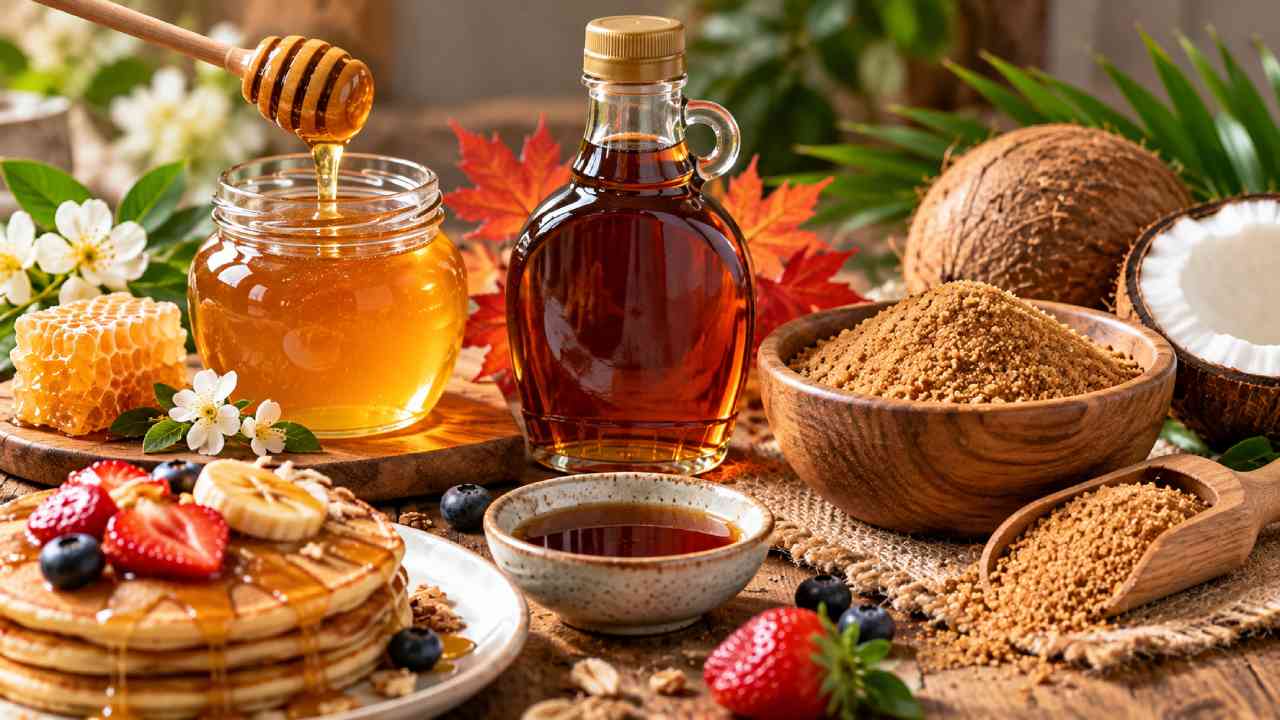
LoveFoodReadyMeals – Organic Sweeteners can add sweetness while bringing distinct flavors to everyday recipes. Raw honey offers floral notes, maple syrup delivers a deep caramel-like taste, and coconut sugar has a warm, slightly toasted character. Therefore, each option can influence a recipe in a different way. These sweeteners work well in breakfast dishes, drinks, sauces, baked goods, and desserts. However, the word organic mainly describes how an ingredient is produced and certified. It does not automatically mean the product contains less sugar or can be consumed without limits. That distinction matters when choosing ingredients for a balanced kitchen. From a cooking perspective, their biggest advantage is flavor variety. A small amount of maple syrup can transform oatmeal, while honey can add depth to a simple dressing. Meanwhile, coconut sugar can bring a richer taste to baked goods. As a result, these ingredients offer more than sweetness when used thoughtfully.
Read Also: Black Sesame Mochi Cake Squares with a Delicious Chewy Center
What Makes a Sweetener Truly Organic?
The term organic has a specific meaning in food production. In general, products sold as certified organic must follow standards established by the relevant certification system in their market. Therefore, shoppers should look beyond packaging that simply uses words such as natural or pure. Those terms do not necessarily mean the product has organic certification. This difference is especially important for sweeteners because many products can appear minimally processed while coming from conventional agriculture. Organic honey, for example, must satisfy applicable organic production and certification requirements. Likewise, organic maple syrup and coconut sugar need to meet the rules required for their certified label. Standards can vary between countries, so consumers should check recognized certification marks when organic status matters to them. In practical terms, certification offers greater clarity about production methods. However, it does not turn sugar into a health food. Organic Sweeteners remain sources of sugars, and portion size still matters. Their value in cooking comes largely from flavor, origin, and versatility.
Raw Honey Adds Floral Sweetness and Rich Aroma
Raw honey is one of the most recognizable alternatives to refined table sugar. Its flavor can range from mild and floral to dark and robust, depending on the flowers visited by bees. As a result, different varieties can create noticeably different results in the same recipe. Raw honey generally undergoes less processing than heavily processed honey, although the exact treatment can vary by producer. Importantly, raw and organic do not mean the same thing. A honey product may be raw without being certified organic. In the kitchen, honey works particularly well in yogurt, oatmeal, toast, marinades, salad dressings, and warm drinks. Its thick consistency also helps sauces cling to ingredients. Moreover, honey can balance acidic flavors such as lemon or vinegar. Because its sweetness is concentrated, cooks can start with a small amount and adjust gradually. For baking, however, replacing granulated sugar with honey may require recipe changes because honey adds both sweetness and additional liquid.
Maple Syrup Delivers a Smooth Caramel-Like Flavor
Pure maple syrup begins with sap collected from maple trees. Producers concentrate that sap through heating until it develops the familiar syrup consistency. The result offers more than simple sweetness. Depending on the product, maple syrup can provide caramel, vanilla, and subtle woody notes. Therefore, it pairs naturally with pancakes and waffles, yet its uses extend much further. It can sweeten overnight oats, granola, coffee, yogurt, sauces, and baked vegetables. Maple syrup also works surprisingly well in savory cooking. For example, a small amount can balance mustard in a dressing or complement roasted vegetables. When buying organic maple syrup, consumers should check the certification rather than relying only on rustic packaging or marketing language. It is also useful to distinguish pure maple syrup from pancake syrups made with other sweeteners and flavorings. Although maple syrup brings an interesting flavor profile, it still contributes sugars. For that reason, thoughtful portions remain important even when the product carries an organic label.
Coconut Sugar Brings Warm Caramel Notes to Baking
Coconut sugar is produced from the sap of coconut palm flower buds. The collected sap is heated so much of its moisture evaporates, eventually creating a concentrated sugar that can be sold in granulated form. Its brown color and warm caramel-like flavor make it particularly attractive for baking. Unlike liquid sweeteners, coconut sugar can sometimes fit more easily into recipes designed around granulated sugar. Nevertheless, substitution is not always perfectly equal because sweetness, moisture, and texture can change. Coconut sugar works well in cookies, loaf cakes, muffins, granola, sauces, and warm drinks. Moreover, its deeper flavor pairs naturally with banana, chocolate, cinnamon, coffee, coconut, and nuts. Organic versions should carry appropriate certification if that claim is important to the buyer. Although coconut sugar is sometimes marketed as a healthier alternative, it remains an added sugar. Therefore, its strongest culinary advantage is not permission to use unlimited amounts. Instead, its distinctive flavor can help recipes develop greater depth without complicated ingredients.
Organic Sweeteners Can Transform Simple Breakfast Recipes
Breakfast provides an easy way to explore Organic Sweeteners because many morning dishes have relatively simple flavor profiles. Plain oatmeal, for example, can taste completely different with a small drizzle of maple syrup and fresh berries. Greek yogurt pairs naturally with honey, nuts, and fruit. Meanwhile, coconut sugar can add caramel-like depth to homemade granola. These combinations show why choosing a sweetener based on flavor can be more useful than treating every option as interchangeable. Honey works beautifully with citrus and yogurt because its floral character adds complexity. Maple syrup pairs naturally with oats, cinnamon, apples, and nuts. Coconut sugar, on the other hand, complements bananas, cacao, coffee, and toasted coconut. However, sweetness should support the main ingredients rather than dominate them. Fresh fruit can provide additional sweetness and texture without requiring large amounts of added sugar. As a result, breakfast becomes a useful setting for enjoying these ingredients in moderate portions while still appreciating their individual flavors.
Baking with Natural Sweeteners Requires Small Adjustments
Replacing white sugar in a baking recipe requires more thought than simply choosing another sweetener. Honey and maple syrup are liquids, so they can change moisture levels, browning, and texture. Therefore, a recipe developed specifically for those ingredients often produces more reliable results than an improvised substitution. Coconut sugar behaves more like granulated sugar, although it can still change color, sweetness, and flavor. For instance, a vanilla cake made with coconut sugar may develop a darker crumb and stronger caramel notes. Honey can help baked goods retain moisture, while maple syrup introduces both liquid and a distinctive flavor. Moreover, these ingredients can influence how quickly a surface browns in the oven. Home bakers should make small adjustments and observe the batter rather than assuming every sweetener behaves identically. Accurate measurements also improve consistency. Ultimately, Organic Sweeteners can create excellent baked goods when the recipe respects their individual properties. The goal should be better flavor and texture, not simply replacing one form of sugar with another.
Savory Cooking Gives Organic Sweeteners Another Purpose
Sweeteners are not limited to desserts. In fact, small quantities can help create balance in savory dishes. Honey can soften the sharpness of mustard or vinegar in salad dressing. Maple syrup can complement roasted carrots, pumpkin, or sweet potatoes. Coconut sugar can add depth to certain marinades and sauces, especially when paired with soy sauce, garlic, chili, or ginger. However, the amount usually needs to remain modest. The purpose is to balance salty, acidic, spicy, and bitter elements rather than make the dish noticeably sweet. This approach is common in many styles of cooking because contrasting flavors can make food feel more complete. Furthermore, a sweetener with its own flavor can contribute more character than plain sugar. Maple syrup adds warm complexity, while honey brings floral notes. Coconut sugar provides a darker caramel profile. Therefore, choosing between Organic Sweeteners should depend on the final flavor you want. Used carefully, they can become seasoning tools rather than ingredients reserved only for sweet recipes.
Baca Juga: Shio Pan Goes Viral, Japan’s Crispy Salt Bread Takes Over
How to Choose the Right Organic Sweetener
Choosing among Organic Sweeteners becomes easier when flavor, texture, and intended use come first. Raw honey suits recipes that benefit from floral sweetness and a thick consistency. Maple syrup works well when a smooth liquid sweetener with caramel-like notes is desirable. Coconut sugar makes sense when a granulated texture is more practical. Next, read the product label carefully. If organic certification matters, look for certification that applies in your market rather than assuming words such as natural, artisanal, or raw have the same meaning. Also check whether maple syrup is pure rather than a flavored syrup blend. For honey, remember that raw describes processing and does not automatically establish organic status. Finally, consider how much sweetness the recipe actually needs. Adding more does not always improve flavor. In many dishes, a restrained amount allows fruit, spices, grains, nuts, or other ingredients to remain noticeable. Therefore, selecting a sweetener thoughtfully can improve both balance and overall cooking results.
Organic Does Not Automatically Mean Sugar-Free or Healthier
One of the most important points about Organic Sweeteners is also one of the easiest to overlook. Organic certification does not mean a sweetener is sugar-free. Honey, maple syrup, and coconut sugar all contribute sugars and energy to the diet. Therefore, consumers should be cautious about claims that present them as ingredients that can be consumed freely. Their nutritional profiles are not identical, but that does not remove the need for moderation. From a practical perspective, focusing on flavor can encourage more thoughtful use. A strongly flavored maple syrup may require only a modest amount to make oatmeal satisfying. Likewise, aromatic honey can provide enough character without overwhelming yogurt or fruit. This approach makes more sense than assuming an organic label changes the basic role of a sweetener. Moreover, responsible food content should avoid exaggerated health promises. Organic Sweeteners can be enjoyable ingredients with distinctive culinary qualities. Their appeal lies in production choices, flavor, aroma, and versatility rather than unrealistic claims about making sugar harmless.
A Flavor-First Approach Makes Everyday Recipes More Interesting
Organic Sweeteners become most useful when cooks stop viewing them as simple copies of white sugar. Each ingredient has a personality that can shape the final dish. Honey brings floral richness, maple syrup contributes smooth caramel-like notes, and coconut sugar offers warm toasted depth. Consequently, choosing the right option can make even familiar recipes feel different. A bowl of oatmeal, homemade granola, salad dressing, or simple loaf cake can gain more character through one thoughtful ingredient change. At the same time, moderation remains essential because organic certification does not eliminate sugar content. This balanced perspective makes the topic more useful for everyday cooking. Instead of asking which sweetener is universally best, it is better to ask which flavor fits a particular recipe. That simple question encourages more intentional cooking and avoids exaggerated expectations. Ultimately, Organic Sweeteners can expand a home cook’s flavor palette while keeping recipes approachable, familiar, and enjoyable.
