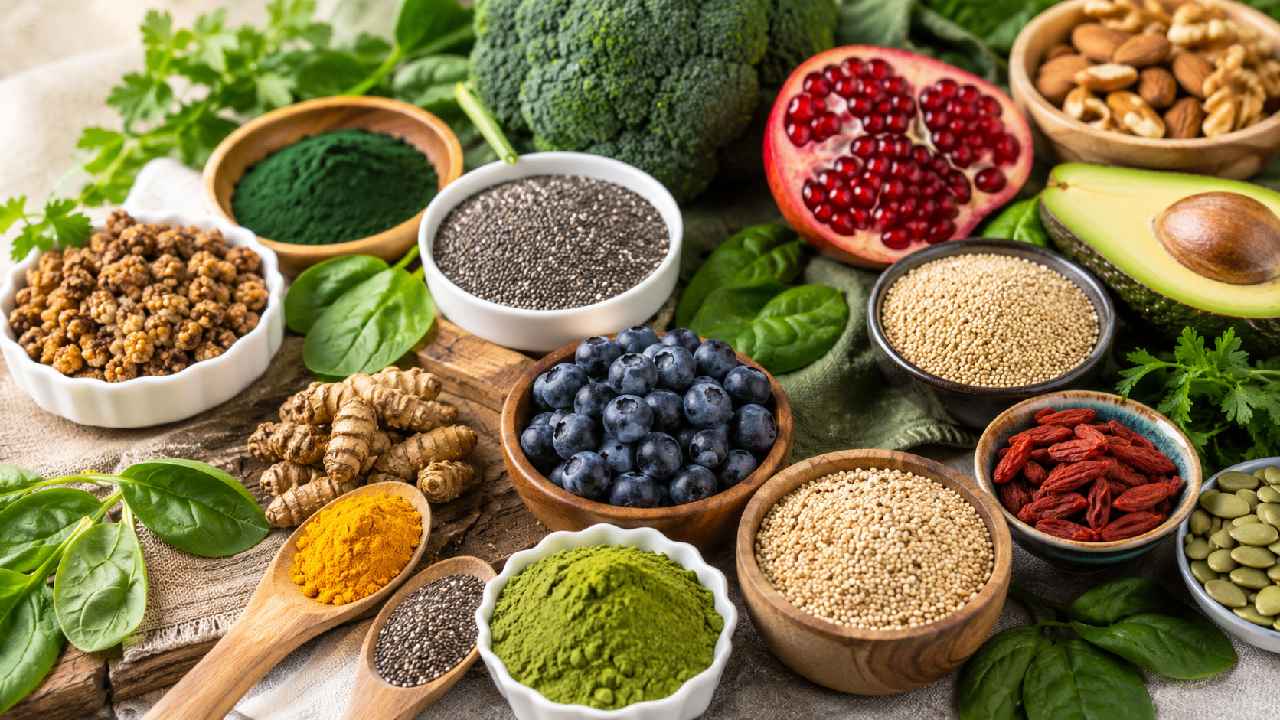
Top 10 Organic Superfoods That Support a Lifestyle Naturally
LoveFoodReadyMeals – Healthy eating does not have to feel complicated or restrictive. In many cases, small changes can make daily meals more nutritious and enjoyable. The Top 10 Organic Superfoods in this guide provide fiber, antioxidants, healthy fats, vitamins, and minerals. They can also fit easily into breakfast, lunch, snacks, or dinner. However, no single ingredient can replace a balanced diet. The best results usually come from eating a wide variety of whole foods while maintaining consistent habits. Organic options may also appeal to people who prefer food produced under specific farming standards. Therefore, these superfoods should be viewed as practical additions rather than miracle solutions.
Read Also: Oatmeal Cake Delivers Flavor with Every Soft Homemade Slice
Organic Spirulina Offers Concentrated Plant-Based Nutrition
Spirulina is a blue-green algae commonly sold as powder or tablets. It contains a high amount of plant-based protein, along with iron and several antioxidant compounds. Because of its strong flavor, beginners often add a small amount to smoothies, yogurt, or fruit bowls. Organic spirulina can be a convenient choice for people who want to increase nutrient variety without preparing a full meal. However, quality matters greatly. Consumers should choose products tested for contaminants and produced by trusted manufacturers. In my view, spirulina works best as a supporting ingredient rather than the center of a diet. A small serving can add color and nutrition, but whole vegetables, grains, and protein sources should still form the foundation of daily meals.
Organic Moringa Adds Nutrients to Everyday Meals
Moringa, also known as the drumstick tree, has been used as food in many regions for generations. Its leaves contain vitamin A, vitamin C, calcium, potassium, and plant compounds with antioxidant properties. Fresh moringa leaves can be cooked like other leafy vegetables. Meanwhile, moringa powder is easy to stir into soups, oatmeal, tea, or smoothies. Its earthy taste may require some adjustment, so starting with a small amount is usually more enjoyable. Organic moringa is especially useful for people seeking a simple way to add more plant-based ingredients to their routine. Nevertheless, it should not be treated as a replacement for vegetables. Instead, it works well alongside spinach, broccoli, beans, fruit, and other nutrient-rich foods.
Organic Chia Seeds Provide Fiber and Healthy Fats
Chia seeds are small, but they offer a useful combination of fiber, plant-based omega-3 fats, protein, and minerals. When mixed with liquid, they develop a soft gel-like texture. Therefore, they are ideal for chia pudding, overnight oats, smoothies, and homemade drinks. Their mild flavor also makes them easy to combine with fruit, yogurt, or nut butter. Among the Top 10 Organic Superfoods, chia seeds are one of the most practical options for busy households. They require no cooking and store well in a dry pantry. However, people who are not used to high-fiber foods should increase portions gradually. Drinking enough water is also important because chia seeds absorb a significant amount of liquid.
Organic Blueberries Deliver Colorful Antioxidants
Blueberries are widely valued for their natural sweetness, fiber, vitamin C, and anthocyanins. These plant pigments give the berries their deep blue-purple color. Fresh organic blueberries make a refreshing snack, while frozen berries work well in oatmeal, smoothies, and baked dishes. In addition, freezing does not make them less convenient or less enjoyable. From a practical perspective, blueberries are one of the easiest superfoods to include in a family diet. Children and adults can eat them without complicated preparation. Still, variety remains important. Rotating blueberries with strawberries, oranges, apples, and other fruits provides a broader range of nutrients and prevents healthy eating from becoming repetitive.
Organic Quinoa Serves as a Versatile Whole Grain Alternative
Quinoa is technically a seed, although it is usually prepared like a grain. It provides protein, fiber, magnesium, and several essential amino acids. Its mild taste allows it to work in salads, vegetable bowls, soups, and warm breakfast dishes. Organic quinoa is also naturally gluten-free, although people with celiac disease should still choose products labeled and processed appropriately. Before cooking, rinsing quinoa can help remove its naturally bitter outer coating. Once prepared, it pairs well with roasted vegetables, beans, eggs, fish, or chicken. Compared with highly refined grains, quinoa offers more texture and nutritional variety. Even so, brown rice, oats, barley, and other whole grains also deserve a regular place in a balanced diet.
Organic Acai Berry Brings Flavor to Balanced Bowls
Acai berries come from palm trees native to the Amazon region. Outside their growing area, they are usually available as frozen puree or powder. Acai contains fiber, healthy fats, and anthocyanins. However, many commercial acai bowls contain large amounts of syrup, sweetened granola, or added sugar. Therefore, the healthiest approach is to choose unsweetened acai and build the bowl carefully. Fruit, plain yogurt, nuts, and seeds can create a more balanced meal. Organic acai can certainly be part of a healthy lifestyle, but its benefits depend on the complete recipe. A colorful bowl may look nutritious, yet portion size and added sugar still matter.
Organic Turmeric Adds Warmth and Plant Compounds
Turmeric is a golden spice commonly used in curries, soups, rice dishes, and warm drinks. Its best-known compound is curcumin, which has attracted interest for its antioxidant and anti-inflammatory properties. However, turmeric is not a medical treatment, and the amount used in cooking is different from concentrated supplements. Organic turmeric can still add flavor, color, and variety to everyday meals. It pairs well with black pepper, ginger, garlic, coconut milk, and roasted vegetables. In my experience, using turmeric in familiar recipes is more sustainable than forcing it into every meal. Healthy habits tend to last longer when food remains enjoyable, culturally familiar, and easy to prepare.
Organic Goji Berries Make a Convenient Dried Snack
Goji berries are small red fruits often sold in dried form. They contain fiber, vitamin A-related compounds, and antioxidants such as zeaxanthin. Their chewy texture works well in oatmeal, trail mix, yogurt, and homemade granola. Because dried fruit has less water than fresh fruit, the natural sugars become more concentrated. As a result, moderate portions are usually enough. Organic goji berries can add variety, although they are not automatically superior to more affordable fruits. Raisins, dates, cranberries, and fresh seasonal produce can also support a nutritious eating pattern. The most practical choice often depends on availability, taste, and budget.
Read Also: German Organic Bauernbrot Celebrates Traditional Artisan Bread Making
Organic Matcha Provides a Distinctive Green Tea Experience
Matcha is made from finely ground green tea leaves. Unlike regular brewed tea, the entire leaf powder is consumed. As a result, matcha provides caffeine and plant compounds such as catechins. It has a bold, slightly bitter flavor that pairs well with warm water, milk, smoothies, and oatmeal. Organic matcha can be an appealing alternative to heavily sweetened coffee drinks. However, adding large amounts of sugar can quickly change its nutritional profile. People who are sensitive to caffeine should also monitor their intake, especially later in the day. Choosing a modest serving and preparing it simply may offer the best balance between flavor, energy, and daily comfort.
Organic Pumpkin Seeds Support Simple, Satisfying Meals
Pumpkin seeds, also called pepitas, provide protein, unsaturated fats, magnesium, zinc, and iron. They can be eaten on their own or added to salads, soup, bread, oatmeal, and roasted vegetables. Their crunchy texture makes meals more satisfying without requiring complex preparation. Among the Top 10 Organic Superfoods, pumpkin seeds are especially useful because they are affordable, portable, and easy to store. Unsalted varieties may be preferable for people monitoring sodium intake. Portion awareness is also helpful because seeds are energy-dense. A small handful can add valuable nutrients while keeping the overall meal balanced.
Building a Healthy Lifestyle Requires More Than Superfoods
The Top 10 Organic Superfoods can improve variety and make healthy meals more interesting. However, long-term wellness depends on the complete eating pattern. Vegetables, fruits, whole grains, legumes, protein sources, and healthy fats all play important roles. Sleep, movement, hydration, and stress management matter as well. Organic food may support personal values related to farming methods and environmental choices, but the label does not automatically make every product healthy. Organic cookies, sweetened drinks, and processed snacks can still contain excess sugar, salt, or saturated fat. Therefore, readers should examine ingredients, choose realistic portions, and focus on consistency. A sustainable lifestyle is usually built through simple choices repeated every day, not through one trendy food.
