Zeppole Discover the Traditional Italian Dessert Loved for Generations
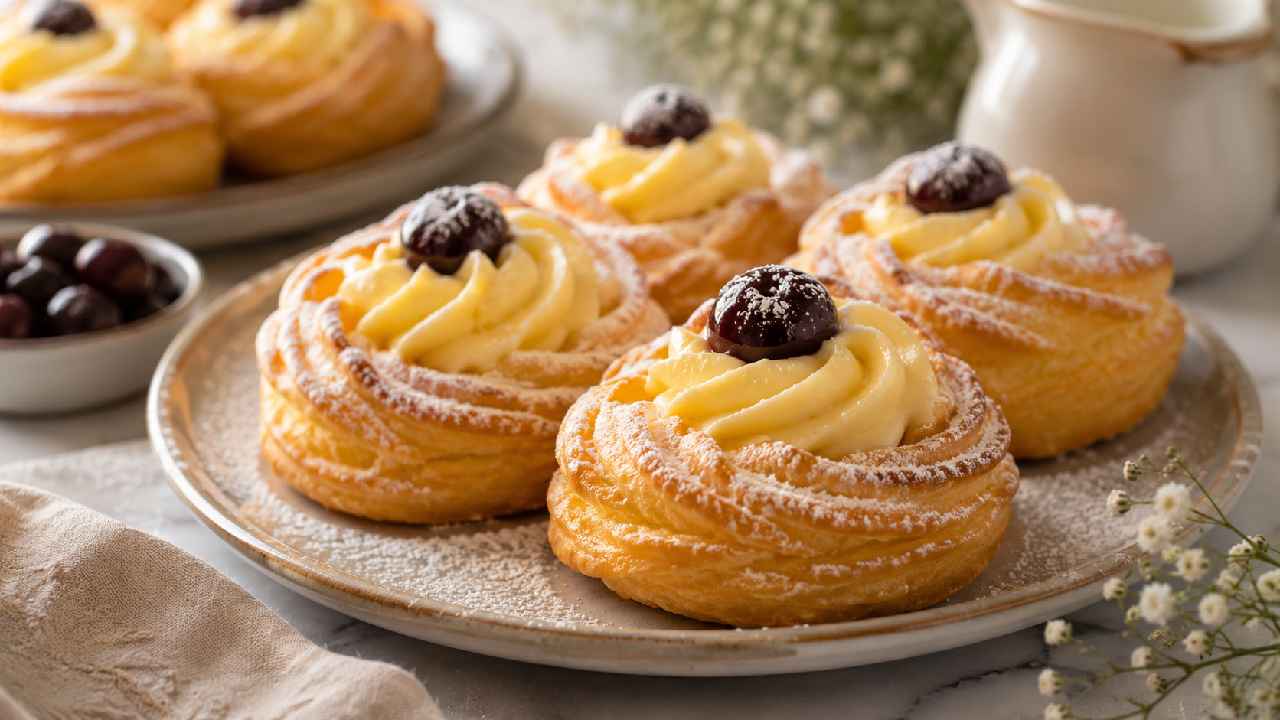
LoveFoodReadyMeals – Zeppole is one of Italy’s most recognizable traditional desserts. At first glance, it may look like a simple fried pastry. However, its meaning goes far beyond texture and sweetness. The dessert connects family gatherings, regional identity, and religious celebration. In its best-known form, the pastry has a light choux-style base. Bakers then fill or top it with smooth pastry cream. Finally, they add powdered sugar and an amarena cherry. Other versions remain smaller and simpler. They may appear as golden pieces of fried dough covered with sugar. This variety is part of the dessert’s charm. Although recipes change across Italy, each version reflects the cooking traditions of its region. In my view, few desserts explain Italian food culture so clearly. A basic dough becomes memorable through craft, history, and shared experience.
Read Also: Taco Bell Addresses Cyclospora Concerns Amid Nationwide Food Investigation
The Dessert Has Strong Roots in Southern Italy
Zeppole is strongly associated with southern Italy, especially Naples and the wider Campania region. Treccani describes the zeppola as a Neapolitan ring-shaped pastry that may be fried or baked. It is also traditionally connected with Saint Joseph’s feast and Carnival celebrations. Over time, local bakers refined the dessert and gave it a stronger visual identity. The Neapolitan version became especially famous because of its generous pastry cream and dark cherry topping. However, the name can refer to several related pastries across Italy. Some are shaped like rings, while others resemble small dough balls. Therefore, there is no single universal appearance. What connects them is a tradition of making rich, celebratory food from familiar pantry ingredients.
Saint Joseph’s Day Gives Zeppole Special Meaning
The dessert is closely linked to Saint Joseph’s Day on March 19. In Italy, the date is also celebrated as Father’s Day. As a result, families often buy or prepare Zeppole di San Giuseppe for fathers and relatives. Italian culinary sources describe the pastry as one of the best-known sweets served for the occasion. This tradition gives the dessert emotional value. It is not simply something eaten after a meal. Instead, it becomes part of a yearly family ritual. Bakeries often prepare large displays during March, while customers select pastries to share at home. The practice shows how food can preserve memory. Even people who live far from Italy may continue the tradition through Italian communities abroad.
The Classic Version Uses Choux-Style Pastry
The most familiar Zeppole di San Giuseppe uses a dough similar to French choux pastry. Water and butter are heated before flour is added. The mixture cooks until it forms a smooth mass. After cooling slightly, eggs are mixed in one at a time. This process creates a dough that expands during cooking. As a result, the finished pastry becomes light, airy, and suitable for filling. Bakers usually pipe the dough into rings or spiral shapes. They may then fry or bake it. Although the technique requires attention, the ingredient list remains simple. This contrast is important. The dessert does not depend on rare products. Instead, its quality comes from temperature control, correct dough texture, and careful timing.
Frying Creates a Golden and Richer Texture
Traditional fried Zeppole develops a crisp, golden exterior. Meanwhile, the inside remains soft and slightly hollow. This hollow center makes space for pastry cream. Frying also produces a deeper flavor because the surface browns quickly in hot oil. However, oil temperature matters. If it is too cool, the dough absorbs excess oil. If it is too hot, the outside darkens before the inside cooks. Experienced pastry makers usually maintain moderate, stable heat. The pastry should rise gradually and develop an even color. Once cooked, it needs time to drain before decoration. In my opinion, the fried version offers the strongest contrast between crispness and cream. It feels rich, yet the airy dough prevents it from becoming too heavy.
Baked Zeppole Offers a Lighter Alternative
Baked Zeppole has also become widely accepted. It uses a similar choux-style dough but cooks in the oven instead of oil. Italian culinary references describe baked versions as a lighter alternative for Saint Joseph’s Day. The result is usually drier and slightly less rich than the fried pastry. However, it can still develop a delicate shell and airy center. Many home cooks prefer baking because it creates less mess. It also makes temperature control easier. Still, the pastry must bake long enough to set its internal structure. Opening the oven too early may cause it to collapse. Therefore, patience remains essential. Whether fried or baked, the filling and decoration give the dessert its recognizable character.
Pastry Cream Gives the Dessert Its Signature Richness
Classic Neapolitan Zeppole is often filled or topped with pastry cream. This smooth custard usually contains milk, egg yolks, sugar, vanilla, and a thickening ingredient. Its texture should be firm enough to hold its shape, yet soft enough to feel creamy. Bakers may split the pastry and add cream inside. They may also pipe a generous swirl on top. The mild vanilla flavor balances the rich dough. In addition, the cream creates a contrast between the crisp shell and soft center. Some regional or modern versions use ricotta, chocolate cream, or flavored custard. However, traditional vanilla pastry cream remains the most recognizable choice.
Amarena Cherries Add Color and Gentle Tartness
A dark amarena cherry often sits at the center of the cream. This small decoration has both visual and flavor value. Its deep color stands out against the pale custard and golden pastry. Meanwhile, its gentle tartness balances the sugar and cream. Some bakeries use candied cherries, while others add cherry preserve or syrup. Powdered sugar usually completes the presentation. These details make Zeppole look festive without requiring elaborate decoration. In fact, the classic design is simple enough to recognize immediately. The pastry, cream, cherry, and sugar form a combination that has remained appealing across generations.
Regional Versions Show Italy’s Culinary Diversity
The word Zeppole does not describe only one fixed recipe. Different parts of Italy prepare related sweets with their own ingredients and shapes. In Sicily, for example, rice-based zeppole appear during Carnival and local celebrations. Italy’s official tourism site highlights zeppole di riso among Sicilian specialties. Other regions make small fried pieces with honey, cinnamon, or sugar. Some versions include potatoes in the dough. Others may contain raisins, anchovies, or savory fillings. Therefore, context matters when discussing Zeppole. A visitor may order the dessert in two different cities and receive very different pastries. Rather than creating confusion, this variety shows how regional Italian cooking develops from local habits and available ingredients.
Italian-American Communities Helped Spread Its Popularity
Italian immigrants carried Zeppole traditions to the United States and other countries. Today, the dessert often appears at Italian street festivals, church celebrations, and family events. In many Italian-American communities, vendors serve small fried dough pieces in paper bags. They usually add a generous layer of powdered sugar. These festival-style versions may differ from cream-filled Zeppole di San Giuseppe. Nevertheless, they preserve the same spirit of celebration. The aroma of fresh dough and sugar also creates a strong sensory memory. For many families, eating the pastry at an annual festival becomes a tradition of its own. This cultural journey helped transform Zeppole from a regional specialty into an internationally recognized Italian dessert.
Read Also: How to Make Organic Cinnamon Rolls with a Warm and Fragrant Cinnamon Aroma
Freshness Determines the Best Eating Experience
Zeppole tastes best when fresh. The shell should still have some structure, while the cream should remain cool and smooth. Over time, moisture from the filling softens the pastry. Therefore, bakeries often fill it close to serving time. Fried versions without cream are also best enjoyed soon after cooking. They lose crispness as they sit. When storing filled pastries, refrigeration is important because pastry cream contains dairy and eggs. However, cold storage may soften the shell. For that reason, it is better to prepare only the amount needed. A fresh pastry offers the clearest contrast of textures and gives the most authentic experience.
Simple Ingredients Require Careful Technique
The ingredient list may appear basic, yet small errors can change the final result. Adding eggs while the flour mixture is too hot may affect the dough. Adding too many eggs can make it too loose to hold its piped shape. In contrast, dry dough may not expand properly. The cream also requires attention because high heat can cause it to become uneven. Therefore, successful preparation depends more on technique than complexity. This is one reason traditional pastry shops remain important. Skilled bakers understand how the dough should look and feel. They adjust based on humidity, flour, and kitchen temperature. Such practical knowledge often passes from one generation to the next.
Zeppole Continues to Evolve Without Losing Its Identity
Modern pastry chefs often create new Zeppole flavors. Pistachio cream, chocolate ganache, lemon custard, and coffee fillings now appear in bakeries. Some chefs add fresh fruit or flavored sugar. These versions attract younger customers and make the dessert suitable for different seasons. However, the strongest adaptations still respect the pastry’s structure. They preserve the airy dough, creamy center, and balanced sweetness. Innovation works best when it adds interest without removing the dessert’s identity. In my opinion, this balance explains why Zeppole remains relevant. It can change with modern tastes while still feeling connected to its traditional roots.
A Beloved Dessert Preserved Through Shared Tradition
Zeppole has survived for generations because it combines flavor with meaning. Its golden pastry and smooth cream make it enjoyable. Yet its connection to Saint Joseph’s Day, Father’s Day, and family gatherings gives it lasting cultural value. The dessert also reflects Italy’s regional diversity. Each variation tells a slightly different story. Some are baked, others are fried, and many use unique local ingredients. Still, they share the same sense of celebration. For readers discovering this pastry for the first time, it offers more than sweetness. It provides a small introduction to Italian history, family customs, and traditional pastry craft.
