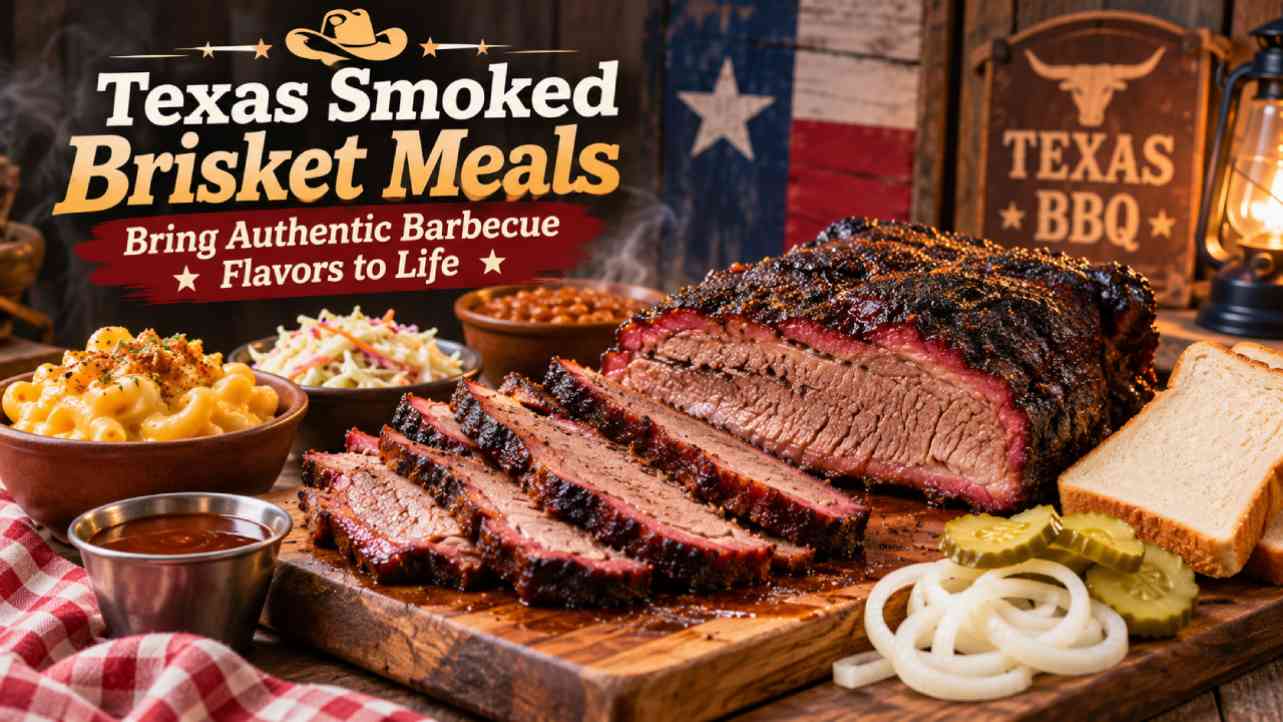
Texas Smoked Brisket Meals Bring Authentic Barbecue Flavors to Life
LoveFoodReadyMeals – Texas Smoked Brisket stands among the most recognizable dishes in American barbecue culture. This classic meal combines tender beef, rich smoky aromas, and a deeply seasoned crust. Unlike ordinary grilled meat, brisket requires patience and careful temperature control. Pitmasters slowly cook the beef over wood smoke until its tough connective tissues become tender. As a result, each slice offers a satisfying balance of meat, fat, and smoky flavor. The dish also reflects the strong barbecue traditions found throughout Texas. Many restaurants serve brisket with pickles, onions, and simple side dishes. However, the beef remains the main attraction. Its dark exterior and juicy interior create a memorable dining experience. For food lovers exploring American meals, Texas Smoked Brisket offers an excellent introduction to traditional slow-smoked barbecue.
Read Also: Australian Restaurant Sparks Buzz With Controversial Pineapple Pizza Celebration
The History Behind Texas Smoked Brisket Traditions
The story of Texas Smoked Brisket connects closely with the state’s cattle industry and immigrant communities. During the nineteenth century, European settlers brought different meat preparation traditions to Texas. German and Czech communities helped shape the region’s meat markets and barbecue culture. Over time, smoked beef became a familiar part of local dining. Butchers often prepared affordable cuts using methods that improved their texture and flavor. Brisket eventually gained recognition as a signature barbecue choice. Meanwhile, Central Texas developed a particularly influential smoking tradition. Restaurants focused on quality beef, simple seasonings, and carefully managed wood fires. These practices helped establish the style recognized today. Although regional barbecue methods vary, smoked brisket remains closely associated with Texas food culture. Its history reflects both practical cooking knowledge and generations of culinary adaptation.
Why Slow Smoking Creates Tender and Flavorful Beef
The secret behind exceptional Texas Smoked Brisket lies in its slow cooking process. Brisket comes from the lower chest of cattle, where muscles support considerable weight. Consequently, the meat contains connective tissue that requires careful preparation. Cooking brisket quickly can leave it tough and difficult to chew. However, prolonged exposure to gentle heat gradually transforms collagen into gelatin. This process helps create the soft texture that barbecue enthusiasts appreciate. Many pitmasters maintain smoker temperatures between 225°F and 275°F. Depending on the cut and cooking conditions, preparation can take more than twelve hours. Throughout the process, the meat absorbs smoke compounds that contribute to its distinctive aroma. Fat also renders gradually, adding richness to the finished dish. Therefore, patience becomes one of the most important ingredients in traditional brisket preparation.
Simple Seasonings Highlight the Natural Flavor of Brisket
Traditional Texas Smoked Brisket often relies on a surprisingly simple seasoning approach. Salt and coarse black pepper form the foundation of many Central Texas recipes. This combination allows the natural flavor of beef to remain prominent. Some pitmasters also add garlic powder or other mild spices. However, complicated marinades are not essential for producing excellent results. Before smoking, cooks usually trim excess fat while preserving enough to protect the meat. They then distribute the seasoning evenly across the surface. As the brisket cooks, the spices combine with rendered fat and smoke. This interaction creates a flavorful exterior without overwhelming the beef. Furthermore, seasoning consistency helps every slice deliver a balanced taste. The method demonstrates an important principle of traditional barbecue. Quality ingredients and careful cooking techniques often matter more than an extensive list of seasonings.
Wood Smoke Creates the Signature Texas Barbecue Aroma
Wood selection plays an important role in developing the flavor of Texas Smoked Brisket. Many Central Texas pitmasters prefer post oak because it produces a balanced smoke profile. Other hardwoods, including pecan and hickory, can also contribute distinctive aromas. However, the amount and quality of smoke matter as much as the wood itself. Clean combustion helps prevent harsh or bitter flavors from developing. Traditional offset smokers use a separate firebox to generate heat and smoke. The warm air then travels through the cooking chamber and surrounds the brisket. Meanwhile, pitmasters adjust airflow and fuel to maintain steady temperatures. This process requires attention throughout the cooking session. As a result, smoking becomes both a technical skill and a culinary craft. The finished brisket carries flavors that ordinary oven roasting cannot fully reproduce.
The Famous Bark and Smoke Ring Make Brisket Unique
One of the most appealing features of Texas Smoked Brisket is its dark outer crust. Barbecue enthusiasts call this flavorful layer the bark. It develops as seasonings, smoke, heat, and surface moisture interact during cooking. The bark provides a satisfying contrast to the tender meat underneath. Additionally, some briskets display a pink smoke ring just below the surface. This ring forms through chemical reactions involving compounds from combustion and pigments in the meat. Although visually attractive, the smoke ring does not guarantee better flavor or tenderness. Experienced cooks focus more on texture, aroma, and overall balance. A properly prepared brisket should slice cleanly while remaining moist and tender. Furthermore, the bark should contribute flavor without becoming unpleasantly hard. These characteristics help distinguish carefully smoked brisket from ordinary roasted beef.
Read Also: Brown Sugar Boba Brioche Recipe with a Soft, Chewy Caramel Filling
Classic Side Dishes Complete the Texas Brisket Meal
Texas Smoked Brisket becomes even more enjoyable when served with traditional barbecue sides. Many Texas restaurants offer sliced brisket alongside pickles, onions, and white bread. These simple additions help balance the richness of the beef. Pickles provide acidity, while onions contribute freshness and a mild bite. Meanwhile, potato salad and coleslaw offer familiar textures and flavors. Some diners prefer baked beans, macaroni and cheese, or creamy mashed potatoes. However, traditional Central Texas barbecue often places greater emphasis on the meat itself. Barbecue sauce may appear on the table, but it is not always necessary. A well-smoked brisket already delivers considerable flavor through seasoning and wood smoke. For a satisfying meal, combining brisket with one or two contrasting sides creates balance. The result feels generous without hiding the main ingredient.
How Home Cooks Can Prepare Texas Smoked Brisket
Preparing Texas Smoked Brisket at home requires planning, but the basic method remains approachable. First, choose a brisket with a reasonable amount of intramuscular fat. Next, trim excessive surface fat and apply an even coating of salt and black pepper. Preheat the smoker to approximately 250°F before placing the meat inside. Then, maintain consistent heat while allowing the brisket to cook slowly. Some cooks wrap the meat after the bark develops to reduce moisture loss. However, wrapping remains a matter of personal preference. Continue cooking until the thickest sections feel tender when tested with a probe. Many briskets reach this stage around 195°F to 205°F, although tenderness matters more than temperature alone. Finally, rest the cooked meat before slicing against the grain. This approach helps preserve moisture and improves the overall eating experience.
Texas Smoked Brisket Remains a Favorite Among Barbecue Lovers
Texas Smoked Brisket continues to attract food enthusiasts because it offers more than a flavorful meal. The dish represents patience, craftsmanship, and a distinctive regional cooking tradition. Every stage contributes to the final result, from selecting the beef to managing the smoker. Furthermore, the preparation encourages cooks to understand how heat affects meat texture. Restaurants often develop their own methods while respecting established Texas barbecue principles. Some emphasize pepper-forward seasoning, while others experiment with different hardwoods. Nevertheless, the central goal remains consistent: tender beef with balanced smoke and a flavorful crust. For home cooks, preparing brisket can become a rewarding culinary project. For restaurant guests, it offers a memorable introduction to American barbecue. Ultimately, its lasting appeal comes from simple ingredients transformed through careful technique and time.
