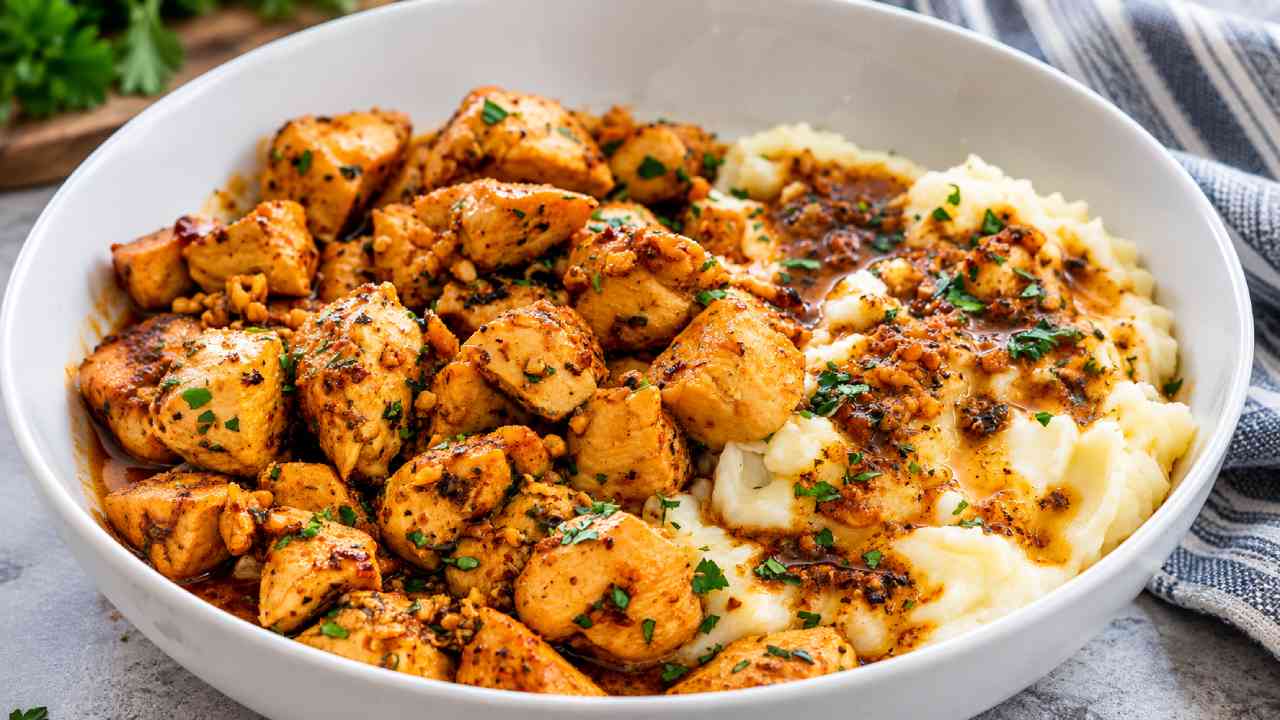
Garlic Butter Chicken Bites Meals Packed with Savory Flavor
LoveFoodReadyMeals – Garlic Butter Chicken Bites bring together juicy chicken, aromatic garlic, and rich butter in one simple meal. Although the ingredients look basic, the cooking method creates layers of savory flavor. Small pieces of chicken develop golden edges when they touch a hot skillet. Meanwhile, butter melts around the chicken and carries the garlic aroma throughout the dish. This combination creates a meal that feels comforting without requiring complicated preparation. In addition, the small chicken pieces cook faster than whole chicken breasts. That makes this recipe useful for busy evenings when dinner needs to reach the table quickly. The dish also works with rice, potatoes, pasta, or vegetables. Therefore, it can easily become part of different meal plans. The key is balancing rich butter with fresh herbs and a small splash of lemon.
Read Also: Cinnamon Apple Crumble Recipes with Sweet and Crunchy Topping
Bite-Sized Chicken Helps Create Golden Edges and Juicy Centers
The size of the chicken pieces matters more than it may seem. Ideally, cut boneless chicken into similar bite-sized cubes. Even pieces cook at roughly the same speed, which reduces the chance of dry chicken. Chicken breast provides a leaner result, while boneless chicken thighs offer a slightly richer texture. Both choices work well. However, avoid overcrowding the skillet. Too many pieces release moisture and lower the pan temperature. As a result, the chicken may steam instead of developing a golden surface. Cooking in batches can solve this problem when using a smaller pan. Before cooking, pat the chicken dry with a paper towel. Then season it evenly. This simple preparation helps the surface brown more effectively. Once cooked correctly, the outside becomes lightly crisp while the center remains tender and juicy.
Simple Ingredients Build the Signature Garlic Butter Flavor
This Garlic Butter Chicken recipe does not need a long shopping list. Instead, familiar ingredients work together to create a rich yet balanced meal. Fresh garlic provides the strongest aroma, while butter forms the base of the sauce. Paprika adds warmth and color without making the dish overly spicy.
Ingredients:
● 1 ½ pounds boneless chicken breast or chicken thighs
● 3 tablespoons unsalted butter
● 5 garlic cloves, finely minced
● 1 tablespoon olive oil
● 1 teaspoon paprika
● ½ teaspoon onion powder
● ½ teaspoon dried oregano
● ½ teaspoon salt, or to taste
● ¼ teaspoon freshly ground black pepper
● 1 tablespoon fresh lemon juice
● 2 tablespoons chopped fresh parsley
● Lemon wedges for serving
For a complete meal, you can also prepare roasted potatoes, steamed rice, broccoli, green beans, or a fresh salad. These sides absorb the garlic butter nicely while adding different textures to the plate.
Cooking Garlic Butter Chicken Bites Takes Only a Few Steps
Good preparation makes this recipe fast and straightforward. Have the ingredients ready before heating the skillet because the garlic butter sauce comes together quickly. Most importantly, keep the heat controlled after adding garlic. Burnt garlic can introduce unwanted bitterness.
- Cut the chicken into evenly sized bite-sized pieces.
- Pat the chicken dry using a paper towel.
- Season it with paprika, onion powder, oregano, salt, and black pepper.
- Heat olive oil and one tablespoon of butter in a large skillet over medium-high heat.
- Add the chicken in a single layer without overcrowding the pan.
- Cook for several minutes, turning the pieces until golden and cooked through.
- Reduce the heat to medium-low before adding the remaining butter.
- Add minced garlic and stir for about 30 to 60 seconds until fragrant.
- Toss the chicken through the garlic butter until every piece is evenly coated.
- Add fresh lemon juice and chopped parsley before serving.
The chicken is ready when its thickest pieces reach a safe internal temperature of 165°F or 74°C.
Butter and Garlic Need the Right Heat for Better Results
Butter and garlic are simple ingredients, yet temperature control determines their final flavor. can brown quickly in a very hot skillet. Garlic is even more sensitive because finely minced pieces can burn within seconds. Therefore, cook the chicken first at a higher temperature. Once the chicken develops golden edges, lower the heat before preparing the sauce. Add butter and let it melt gently around the meat. Then stir in the garlic. The remaining heat will release its aroma without immediately scorching it. At this stage, the skillet should smell buttery and deeply savory. Lemon juice can then brighten the sauce and cut through some of its richness. Fresh parsley provides another layer of freshness. Together, these small details keep Garlic Butter Chicken flavorful rather than excessively heavy.
Potatoes and Vegetables Turn Chicken Bites Into a Complete Meal
Garlic Butter Chicken Bites can become a complete dinner with only one or two side dishes. Roasted baby potatoes are particularly useful because their crisp edges complement the tender chicken. Mashed potatoes create a softer comfort-food combination. Meanwhile, steamed rice absorbs the garlic butter left on the plate. Vegetables also bring freshness and color. Broccoli, asparagus, green beans, zucchini, or roasted carrots all work well. For a lighter option, serve the chicken over quinoa with a simple green salad. Pasta is another practical choice, especially when you want a more filling dinner. Toss cooked pasta with a small amount of the remaining garlic butter before adding the chicken. Because the main dish has a rich flavor, simple sides often work better than heavily seasoned ones. This approach keeps the meal balanced and allows the chicken to remain the centerpiece.
Read Also: Twisted Bread Goes Viral as Its Beautiful Shape Makes Bread More Appealing
Practical Cooking Tips Can Keep Every Chicken Bite Tender
A few simple habits can noticeably improve Garlic Butter Chicken. First, cut the chicken into similar pieces so they cook evenly. Second, dry the meat before seasoning it. Excess moisture can prevent proper browning. Third, preheat the skillet before adding the chicken. However, do not keep the heat extremely high throughout the entire process. Once the chicken develops color, moderate heat gives you more control. Another useful tip is to leave the chicken untouched briefly after placing it in the skillet. Constant stirring can prevent a golden crust from forming. In addition, use fresh garlic whenever possible because its aroma is usually more vibrant than garlic powder alone. Finally, check the thickest chicken pieces for doneness rather than repeatedly cutting every piece open. These small techniques help preserve moisture while building better flavor and texture.
Leftovers Can Become an Easy Lunch the Next Day
One advantage of this meal is its versatility after cooking. Leftover Garlic Butter Chicken can become the base for a quick lunch. For example, add the chicken to rice with steamed vegetables for a simple bowl. You can also slice the pieces and use them in a wrap with lettuce, tomatoes, and a light yogurt sauce. Another option is to mix them with pasta and roasted vegetables. Store leftovers in a sealed container in the refrigerator and use them within a reasonable food-safety window. When reheating, gentle heat is preferable because excessive heat may dry out the chicken. A small splash of water or broth can also help restore moisture. However, freshly cooked chicken will always provide the best texture. Planning portions carefully can reduce waste while still leaving enough for a convenient meal the following day.
Garlic Butter Chicken Bites Make Weeknight Cooking Feel Effortless
Garlic Butter Chicken Bites prove that a satisfying dinner does not need dozens of ingredients or hours in the kitchen. The recipe relies on a few familiar flavors and a straightforward skillet technique. Yet the finished meal offers juicy chicken, golden edges, fragrant garlic, and a buttery sauce in every bite. More importantly, the dish is flexible. Rice can make it comforting, while vegetables can keep the plate lighter. Potatoes create a classic combination, and pasta turns it into a more substantial dinner. In my view, this flexibility is what makes the recipe particularly useful for home cooks. It can adapt to ingredients already available in the kitchen. At the same time, its simple presentation still looks appealing enough for a weekend meal. With careful browning and controlled heat, everyday chicken can become something genuinely enjoyable.
