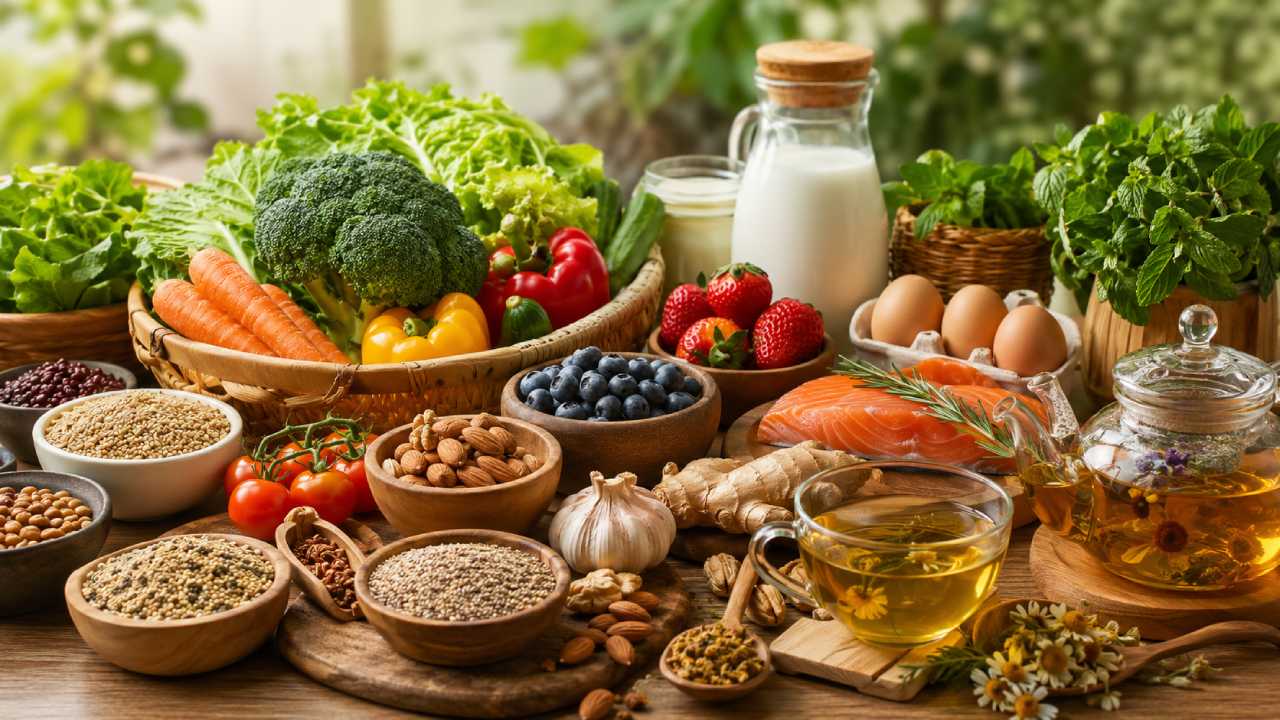
The Complete Guide to Organic Food: From Vegetables to Herbal Teas for Optimal
LoveFoodReadyMeals – The interest in organic food has grown rapidly over the last few years. More consumers now pay close attention to the quality of the food they bring to their tables. As a result, organic products have become a preferred choice for people seeking healthier lifestyles. The Complete Guide to Organic Food begins with understanding what organic actually means. In simple terms, organic food is produced without synthetic pesticides, chemical fertilizers, or genetically modified organisms. Furthermore, organic farming focuses on protecting natural ecosystems and maintaining soil fertility. This approach creates a more sustainable agricultural system while supporting environmental health. Therefore, organic food represents not only a dietary choice but also a commitment to responsible consumption.
Why Organic Food Continues to Gain Popularity
As awareness about health increases, consumers are becoming more selective about what they eat. Consequently, organic food has gained significant attention across different age groups and lifestyles. Many people choose organic products because they want to reduce exposure to artificial chemicals commonly used in conventional farming. In addition, organic farming practices often align with values related to sustainability and environmental protection. While nutritional differences between organic and conventional foods may vary, consumers frequently associate organic products with higher quality. Moreover, the transparency offered by certified organic labels provides additional confidence during the purchasing process. This combination of health awareness and environmental concern continues to drive demand worldwide. Therefore, organic food remains one of the fastest-growing segments in the food industry.
Organic Vegetables as the Foundation of Daily Nutrition
Organic vegetables serve as one of the most important components of a healthy diet. Common choices include spinach, kale, broccoli, carrots, cucumbers, and tomatoes. These vegetables provide essential vitamins, minerals, fiber, and antioxidants that support overall wellness. Furthermore, organic farming methods prioritize soil health, which contributes to sustainable crop production over time. Many consumers also appreciate the fresh taste and natural appearance of organic produce. Although flavor preferences differ among individuals, organic vegetables often become a staple in balanced meal plans. As part of the Complete Guide to Organic Food, vegetables remain the easiest starting point for beginners. Therefore, adding more organic vegetables to daily meals can be a simple yet meaningful step toward healthier eating habits.
Read Also: Bibingka from the Philippines, The Traditional Rice Cake Loved for Generations
The Benefits of Including Organic Fruits in Your Diet
Alongside vegetables, organic fruits play an important role in maintaining nutritional balance. Fruits such as apples, oranges, berries, bananas, and mangoes provide valuable nutrients that support overall health. Additionally, they offer natural sweetness, making them a healthier alternative to processed snacks. Because organic fruits are cultivated using approved organic methods, many consumers prefer them for everyday consumption. Furthermore, fruits contain antioxidants that help protect cells from oxidative stress caused by environmental factors. Many health-conscious individuals include organic fruits in breakfast meals, smoothies, or afternoon snacks. Their convenience and versatility make them easy to incorporate into various eating patterns. Consequently, organic fruits remain an essential part of a well-rounded organic lifestyle.
Organic Grains, Nuts, and Seeds for Balanced Wellness
A complete organic diet extends beyond fruits and vegetables. Organic grains, nuts, and seeds contribute valuable nutrients that support long-term wellness. Popular options include oats, quinoa, brown rice, almonds, chia seeds, and flaxseeds. These foods provide dietary fiber, healthy fats, plant-based protein, and essential minerals. In addition, they help promote satiety, making them useful for maintaining healthy eating habits throughout the day. Many people incorporate these ingredients into breakfast bowls, salads, baked goods, and smoothies. Their versatility allows consumers to create nutritious meals without sacrificing flavor or variety. Therefore, organic grains, nuts, and seeds represent an important pillar within the Complete Guide to Organic Food.
Understanding Organic Animal-Based Products
Organic food choices also include products derived from animals. Organic eggs, dairy products, poultry, and meat are increasingly available in supermarkets and specialty stores. These products come from farming systems that follow established organic standards and animal welfare guidelines. Furthermore, organic livestock generally receive organic feed and are raised under conditions designed to support natural behaviors. Many consumers appreciate the additional transparency associated with these production methods. Although organic animal products often carry a higher price tag, some buyers consider the benefits worthwhile. In particular, they value the combination of ethical farming practices and quality assurance. As a result, organic animal products continue to attract growing consumer interest.
Herbal Teas and Their Growing Role in Organic Living
Herbal teas have become a popular addition to modern organic lifestyles. Organic varieties such as chamomile, peppermint, ginger, turmeric, and hibiscus tea offer enjoyable flavors and natural ingredients. Unlike many processed beverages, herbal teas provide a simple way to support hydration throughout the day. In addition, many people appreciate the calming ritual associated with preparing and drinking tea. Organic herbal teas are produced according to standards that limit synthetic pesticide use during cultivation. Consequently, consumers often view them as a cleaner beverage option. Their popularity continues to rise among individuals seeking wellness-focused alternatives. Therefore, herbal teas deserve a prominent place in the Complete Guide to Organic Food.
How to Identify Authentic Organic Products
As demand increases, consumers should understand how to identify genuine organic products. The first step involves checking for recognized organic certification labels issued by trusted organizations. These certifications help verify that products meet specific production and handling requirements. Additionally, reviewing ingredient lists can provide useful information about product quality and processing levels. Reputable brands also tend to offer greater transparency regarding sourcing and farming practices. Furthermore, purchasing from trusted retailers can reduce uncertainty when selecting organic products. Taking these precautions helps consumers make informed purchasing decisions. Consequently, understanding product authenticity is an essential aspect of successful organic shopping.
Building a Sustainable Organic Lifestyle for Better Health
Adopting an organic lifestyle does not require immediate or dramatic changes. Instead, gradual improvements often lead to more sustainable long-term habits. Many people begin by replacing frequently consumed items such as vegetables, fruits, and herbal teas with organic alternatives. Over time, they may expand their choices to include grains, dairy products, and other organic foods. Furthermore, maintaining overall dietary balance remains just as important as selecting organic options. Healthy eating habits work best when combined with regular physical activity and adequate rest. The Complete Guide to Organic Food demonstrates that wellness is built through consistent daily choices. Ultimately, organic food can become part of a broader commitment to healthier living and environmental responsibility.
