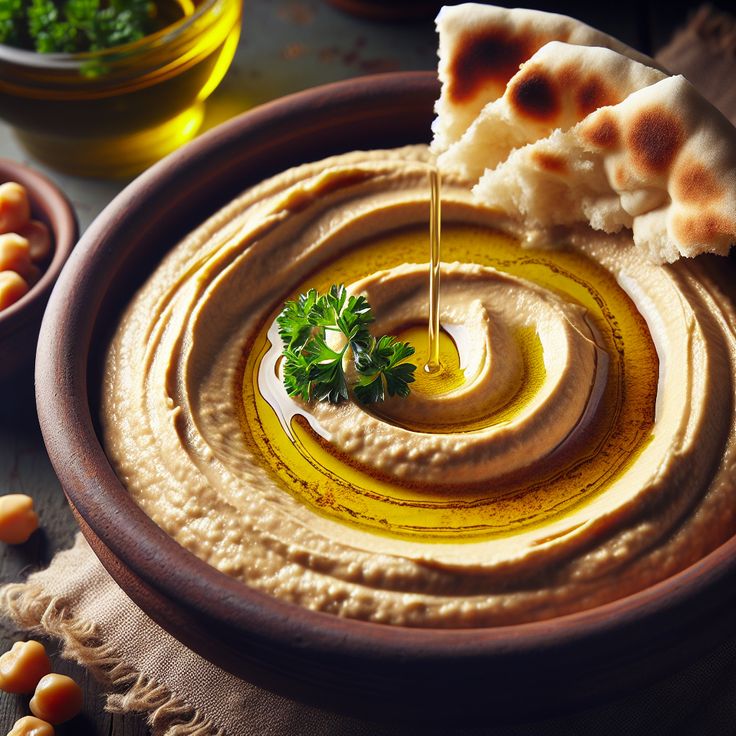
The Heart of Lebanon in a Bowl: The Story Behind Authentic Lebanese Hummus
LoveFoodReadyMeals – Hummus from Lebanon carries the warmth of family gatherings and the comfort of home. Lebanese families often prepare it first when guests arrive and keep it on the table until conversations wind down. The aroma of lemon, garlic, and olive oil fills kitchens, inviting people to sit, talk, and share stories. Every bowl reflects a sense of belonging that many Lebanese people hold close to their hearts. They treat hummus not just as food but as a cultural treasure. It travels through generations, handed down through taste, touch, and memory. When Lebanese cooks speak about hummus, they speak with pride because the dish connects them to their identity and their history. Through its simplicity and soul, hummus continues to represent the spirit of Lebanese hospitality.
The Ingredients That Define Its Soul
Lebanese hummus shines through balance, not abundance. Chickpeas create the creamy base, while tahini adds depth and richness. Fresh lemon juice lifts the flavor, and garlic brings gentle heat. Olive oil ties everything together with its warm, fruity notes. Lebanese cooks rely on intuition instead of strict measurements. They often adjust flavors while tasting, adding a pinch of salt or cumin until the texture and aroma feel right. This instinctive approach reflects their connection to the dish. Every ingredient holds a purpose, yet nothing overwhelms the harmony of the bowl. The result is smooth, bright, and comforting. People often say that Lebanese hummus tastes like care, because each batch depends on attention, patience, and the cook’s personal touch.
“Read More : Patsirutteok: A Beloved Korean Rice Cake for Special Celebrations”
A Ritual Passed Down Through Generations
In many Lebanese homes, making hummus becomes a family ritual filled with stories and memories. Grandparents teach children how to soften chickpeas, when to squeeze in lemon, and how to feel the texture to know it’s ready. These lessons flow through laughter and tradition, creating a bond stronger than recipes. During large family lunches, hummus often becomes the first dish to disappear, which brings a sense of joy to the cook. Young adults who move away from Lebanon continue this ritual in their new homes. They recreate the dish to remember childhood moments, the voices of elders, and the warmth of family kitchens. Each swirl in the bowl carries emotion. In this way, hummus becomes a link between past and present, holding memory in every spoonful.
A Dish That Travels Across Borders
Lebanese hummus travels easily because people carry it with pride. Immigrants introduce it to new communities, and soon friends and neighbors embrace its comforting simplicity. Restaurants around the world now serve hummus, and many shoppers recognize it in market aisles. Despite its popularity, Lebanese cooks still notice differences when they try hummus abroad. They often say it tastes heavier or less balanced than the one they make at home. Even so, they feel glad to see a piece of their culture shared across continents. The global love for hummus reflects how Lebanese cuisine speaks to people everywhere. It invites them to gather, taste, and learn about a culture that values connection above everything.
“Read More : Bahulu: Malaysia’s Heritage Treat That Tastes Like Nostalgia”
The Joy of Eating It the Lebanese Way
In Lebanon, hummus becomes richer when people enjoy it together. They scoop it with warm pita or pair it with fresh vegetables. Many cooks decorate the top with paprika, parsley, or whole chickpeas to add color and texture. At family lunches, hummus sits beside tabbouleh, grilled meats, and pickled vegetables, completing a vibrant spread. Eating it slowly feels almost soothing, especially when shared with loved ones. People linger at the table, dipping bread while exchanging stories about life or work. This simple ritual reveals the heart of Lebanese culture: generosity, community, and togetherness. For many, hummus brings a sense of peace, reminding them that joyful moments often start with a shared meal.
A Symbol of Lebanese Identity and Resilience
For Lebanese people, hummus represents more than flavor it symbolizes strength and pride. Families continued preparing it through challenging times, believing that food keeps hope alive. When ingredients became harder to find, they adapted but never abandoned the dish. Hummus kept appearing at weddings, holidays, and regular lunches, proving its importance in daily life. Younger generations also carry the tradition wherever they go. They introduce the dish to friends, share childhood stories, and keep the recipe alive through memory and practice. This connection gives hummus a powerful meaning. It becomes a reminder that culture survives through love, intention, and shared experience. In every bowl, Lebanese people see a reflection of their roots and their resilience.
