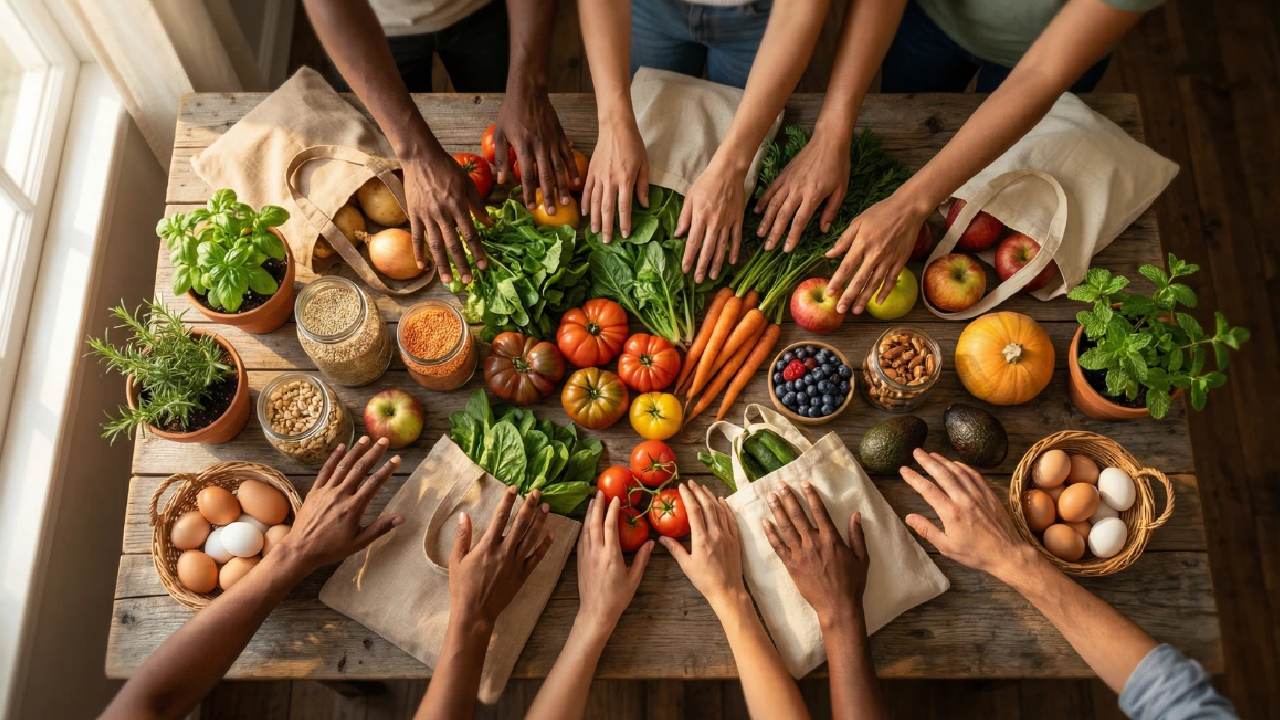
Choosing Organic Food: A Simple Step Toward Healthier Living
LoveFoodReadyMeals – Choosing organic food often begins with a simple question: what does “organic” truly mean? At its core, organic food comes from farming practices that prioritize natural processes over synthetic chemicals. Farmers avoid artificial pesticides, genetically modified organisms, and chemical fertilizers, relying instead on crop rotation, composting, and biological pest control. This approach protects soil health and supports biodiversity, which directly affects the quality of what ends up on your plate. For consumers, organic labels offer clarity and trust, signaling transparency in how food is grown and handled. While organic food may look similar to conventional options, its story is different. It reflects intentional choices made long before harvest, choices that align with long-term health and environmental care. Understanding this foundation helps consumers make informed decisions rooted in awareness, not marketing trends.
How Organic Food Supports Personal Health
Many people choose organic food because they want to reduce daily exposure to synthetic chemicals. Research shows that organic produce often contains lower pesticide residues, which matters for long-term wellness. Over time, small exposures can accumulate, especially for children and pregnant individuals. Organic food also encourages a diet centered on whole, minimally processed ingredients. This shift alone can improve energy levels, digestion, and overall health. While organic food is not a cure-all, it supports a healthier lifestyle by promoting better food habits. Choosing organic often leads people to cook more at home, read labels carefully, and think about where their food comes from. These behaviors create a positive ripple effect. Health becomes less about quick fixes and more about consistent, mindful choices made every day.
“Read More : Hawaiian Sweet Cinnamon Rolls That Redefine Soft, Fluffy Perfection”
The Emotional Connection to Eating Organic
Food is never just fuel. It carries memories, emotions, and values. Choosing organic food often creates a deeper emotional connection to meals because it aligns with personal beliefs about care and responsibility. Many people describe a sense of calm when they know their food was grown without harsh chemicals. This emotional reassurance matters in a fast-paced world where food choices often feel rushed. Organic food invites people to slow down, savor flavors, and appreciate simplicity. Shopping at farmers’ markets or organic sections can feel more personal, more human. These experiences turn eating into a moment of connection rather than routine consumption. Over time, this emotional relationship with food supports healthier habits, because people tend to care more for what they value and understand.
Environmental Impact as a Daily Choice
Choosing organic food also represents a quiet commitment to environmental care. Organic farming methods protect soil quality, reduce water pollution, and support wildlife habitats. Unlike conventional farming, organic practices avoid synthetic chemicals that can damage ecosystems over time. Each purchase becomes a small vote for sustainable agriculture. While one person’s choice may seem insignificant, collective action drives meaningful change. Organic farms often emphasize local production, which reduces transportation emissions and supports regional food systems. This connection between plate and planet helps consumers see food choices as part of a larger story. Eating organic becomes a daily action that aligns personal health with environmental responsibility, creating balance between individual needs and the well-being of future generations.
“Read More : Chajá, Uruguay’s Signature Cake with Deep Cultural Roots”
Organic Food and Mindful Consumption
Organic food encourages mindful consumption by shifting focus from quantity to quality. Because organic products often cost more, consumers tend to waste less and plan meals more carefully. This awareness reduces food waste and supports healthier eating patterns. Mindful consumption also means listening to the body and choosing foods that feel nourishing rather than convenient. Organic food often tastes fresher, which can increase satisfaction and reduce overeating. Over time, this mindset builds a healthier relationship with food. Instead of strict rules or diets, organic eating promotes balance and intention. It teaches that small, thoughtful choices can create lasting impact without overwhelming lifestyle changes. Mindfulness transforms eating from habit into purpose.
Accessibility and Making Organic Choices Realistic
Organic food is sometimes viewed as inaccessible, but small steps can make it realistic for many households. Choosing organic versions of frequently consumed items, such as fruits, vegetables, or dairy, can make a difference without increasing costs dramatically. Many stores now offer private-label organic products at lower prices, expanding access. Community-supported agriculture programs and local markets also provide affordable options. The key lies in flexibility, not perfection. Choosing organic food does not require an all-or-nothing approach. Instead, it invites gradual change based on personal priorities and budget. By focusing on progress rather than pressure, organic food becomes a sustainable habit that supports healthier living over time.
