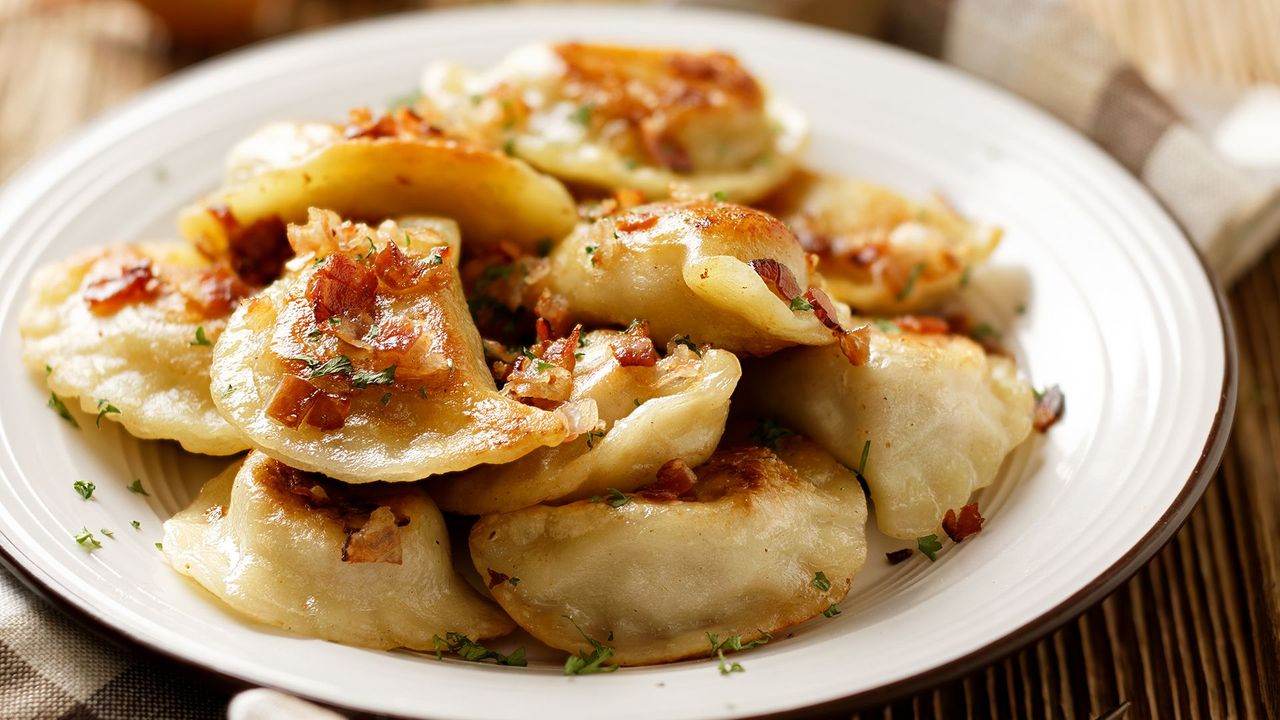
Pierogi: Poland’s Comfort Food That Tells a Story
LoveFoodReadyMeals – Pierogi are more than just dumplings in Poland; they are a symbol of warmth, resilience, and shared history. From small village kitchens to bustling city restaurants, pierogi have long been present at the heart of Polish daily life. These half-moon-shaped parcels of dough, gently boiled and often pan-fried, reflect the country’s agrarian roots and practical cooking traditions. Historically, pierogi’s emerged as a way to stretch simple ingredients into nourishing meals for families facing long winters. Over time, however, they evolved into dishes worthy of celebration. Today, pierogi’s appear at weddings, holidays, and family gatherings, carrying emotional value far beyond their modest appearance. Through each bite, Poles reconnect with memories of home, grandparents, and communal tables, making pierogi a timeless expression of national identity.
A History Shaped by Borders and Survival
The story of pierogi’s mirrors Poland’s complex past, shaped by shifting borders, foreign influences, and survival through hardship. While dumplings exist across Eastern Europe, Polish pierogi developed their own identity through centuries of adaptation. Influences from Ruthenian, Lithuanian, and even Italian cuisines blended with local ingredients, creating a uniquely Polish dish. During times of scarcity, pierogi fillings relied on potatoes, grains, and foraged ingredients. Later, as access to dairy and meat improved, recipes became richer and more varied. Despite political upheaval and economic challenges, pierogi endured as a dependable staple. Their continued presence speaks to resilience and ingenuity. Each generation preserved and refined recipes, ensuring that pierogi remained both a practical meal and a cultural anchor in uncertain times.
“Read More : Chajá, Uruguay’s Signature Cake with Deep Cultural Roots”
The Art of Dough and Filling
At first glance, pierogi’s seem simple, yet their preparation requires patience, balance, and care. The dough must be soft but strong, thin enough to showcase the filling while holding its shape during cooking. Traditionally made from flour, water, and sometimes eggs, the dough reflects a philosophy of simplicity. Inside, the fillings tell countless stories. Potato and farmer’s cheese create the beloved pierogi ruskie, while sauerkraut and mushrooms evoke forest flavors and fasting traditions. Sweet versions feature berries, plums, or sweetened cheese, offering comfort and nostalgia. Each combination serves a purpose, shaped by region, season, and occasion. Through this craftsmanship, pierogi become a quiet celebration of technique passed down through generations.
Pierogi at the Family Table
In Polish homes, pierogi are inseparable from family life. Their preparation often becomes a communal ritual, especially during holidays like Christmas Eve. Families gather around large tables, rolling dough, shaping dumplings, and sharing stories as they work. This collective effort transforms cooking into connection. For many, memories of pierogi’s are tied to childhood kitchens filled with laughter, flour-dusted hands, and the comforting aroma of butter and onions. Even today, these moments remain deeply emotional. Pierogi teach patience, cooperation, and respect for tradition. As a result, the dish becomes a vessel for family bonds. Eating pierogi’s is not just about nourishment; it is about belonging, continuity, and shared heritage.
“Read More : Proziaki, Poland’s Traditional Flatbread with a Long Culinary History”
From Street Food to Fine Dining
While pierogi’s remain rooted in home kitchens, they have also found new life in Poland’s modern food scene. Street stalls serve them quickly to hungry passersby, often topped with crispy onions or sour cream. Meanwhile, contemporary chefs reinterpret pierogi in upscale restaurants, experimenting with fillings like duck, truffle, or seafood. Despite these innovations, the soul of pierogi’s remains intact. Chefs understand that reinvention must honor tradition. This balance between old and new allows pierogi’s to stay relevant without losing authenticity. As Polish cuisine gains international recognition, pierogi often lead the way, introducing global audiences to flavors that feel both comforting and deeply cultural.
Why Pierogi Continue to Matter Today
In a fast-changing world, pierogi offer something increasingly rare: a sense of grounding. They remind people of slower rhythms, shared meals, and food made with intention. For Poles living abroad, pierogi become a powerful link to home, bridging distance through taste and memory. Meanwhile, younger generations rediscover pierogi as symbols of identity, pride, and continuity. Their appeal lies not only in flavor but in meaning. Pierogi prove that simple food can carry profound stories. As long as families gather, traditions endure, and memories are shared at the table, pierogi will remain a living expression of Poland’s cultural soul.
