Kaiseki in Kyoto: Where Seasons, Silence, and Stories Meet
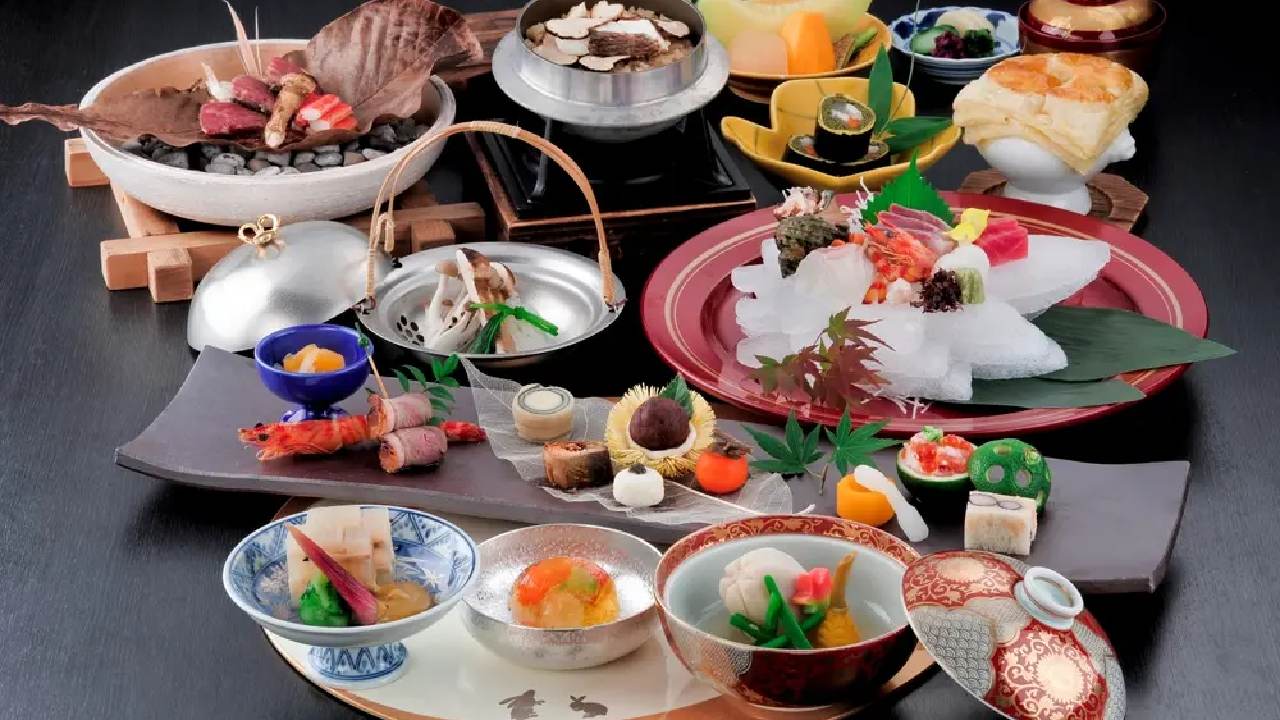
LoveFoodReadyMeals – Kyoto does not merely serve Kaiseki, it lives and breathes it. As Japan’s former imperial capital, the city shaped kaiseki into a culinary art rooted in mindfulness, seasonality, and restraint. Walking through Kyoto’s narrow streets toward a traditional ryotei feels like stepping into another rhythm of time. Kaiseki here reflects Zen philosophy, tea ceremony etiquette, and courtly aesthetics developed over centuries. Each meal tells a quiet story about nature, balance, and respect. Chefs in Kyoto treat kaiseki as cultural preservation, not performance. They honor inherited techniques while responding gently to the present moment. For diners, the experience feels intimate and reflective, inviting them to slow down, observe subtle details, and appreciate food not as indulgence, but as a deeply human dialogue between the land, the cook, and the guest.
Seasonality as the Heart of the Kaiseki Experience
In Kyoto, kaiseki begins with the season, not the menu. Chefs design every dish around what nature offers at that exact moment, whether it is bamboo shoots in spring, ayu river fish in summer, matsutake mushrooms in autumn, or snow crab in winter. Ingredients often come from nearby mountains, rivers, and farms, reinforcing a strong sense of place. This devotion to seasonality teaches diners to notice change, even in small details like leaf garnishes or ceramic choices. Nothing feels accidental. The meal evolves course by course, mirroring the natural progression of the season itself. Through kaiseki, Kyoto quietly reminds guests that food tastes best when it respects time, patience, and the rhythms of the natural world.
“Read More : Gyeran-ppang, Korean Egg Bread with a Comforting Street-Food Charm”
The Structure That Guides the Story
Although kaiseki feels poetic, it follows a thoughtful structure. A traditional Kyoto kaiseki meal unfolds in a precise order, starting with sakizuke, a small appetizer that sets the tone. This leads to hassun, often highlighting seasonal and regional themes, followed by clear soup, sashimi, grilled items, simmered dishes, and rice. Each course builds gently, never overwhelming the senses. Portions remain small, allowing flavors and textures to speak clearly. Transitions feel seamless, guiding diners through a narrative rather than a feast. In Kyoto, chefs treat pacing as seriously as taste. They serve dishes at moments that encourage reflection, conversation, or silence, depending on the mood. The structure creates comfort while leaving room for subtle surprise.
Aesthetic Harmony Beyond the Plate
Kaiseki in Kyoto engages all senses, not only taste. Presentation carries as much meaning as flavor. Chefs carefully select ceramics, lacquerware, and glassware to match the season and mood of the meal. A summer dish may arrive on cool blue porcelain, while autumn courses rest on earthy, textured plates. Garnishes echo nature, using maple leaves, pine needles, or flowers, always edible or symbolic. Even the dining room contributes to the experience, with tatami floors, shoji screens, and garden views creating a calm backdrop. This harmony encourages diners to eat slowly and attentively. In Kyoto, beauty never distracts from food; it deepens understanding, turning each course into a quiet visual and emotional moment.
“Read More : Grissini, the Elegant Italian Breadstick with Timeless Charm”
The Role of the Chef as a Cultural Storyteller
Kyoto kaiseki chefs see themselves as storytellers rather than performers. Many train for decades, often inheriting family traditions passed down through generations. They learn not only cooking techniques but also history, poetry, and etiquette. When a chef explains a dish, the story may reference a local festival, a mountain stream, or a seasonal proverb. This narrative adds emotional depth to the meal. Guests feel connected to something larger than themselves, even if they do not speak Japanese fluently. The chef’s humility matters. Rather than showcasing ego, Kyoto kaiseki emphasizes service, respect, and quiet confidence. Through this approach, the chef becomes a bridge between past and present, food and philosophy.
Why Kaiseki in Kyoto Feels Transformative
Dining on kaiseki in Kyoto often leaves a lasting impression because it feels less like a meal and more like a pause in life. The experience encourages mindfulness, gratitude, and presence. Guests notice how silence enhances flavor, how simplicity creates depth, and how restraint can feel generous. In a fast-moving world, Kyoto’s kaiseki offers something rare: intentional slowness. Many visitors leave with a deeper appreciation for food, nature, and cultural continuity. Kaiseki does not aim to impress loudly. Instead, it resonates quietly, long after the last dish is served. That emotional aftertaste explains why kaiseki in Kyoto remains one of the most meaningful culinary experiences in the world.
