LoveFoodReadyMeals – 3 Healthy Low-Calorie Meals for a Filling Diet are not about eating less. Instead, they are about eating smarter. Many people assume that low-calorie meals mean small portions and constant hunger. However, that is not true when meals are built with balanced protein, fiber, and healthy fats. In fact, nutrition experts consistently emphasize that satiety depends more on nutrient density than calorie count. Therefore, choosing the right ingredients makes all the difference. In this guide, we will explore three satisfying dishes: scrambled eggs with spinach, baked tempeh with paprika, and low-calorie paprika chicken. Each recipe is simple, budget-friendly, and designed to keep you full longer.
“Read Also: Focaccia Art Bread: The Edible Garden Trend Transforming Home Baking“
Why Low-Calorie Does Not Mean Low Satisfaction
When people start a diet, they often focus only on numbers. Consequently, they reduce portions drastically and feel tired within hours. However, filling meals depend on volume and protein. Vegetables provide fiber and bulk, while protein supports muscle and stabilizes blood sugar. Moreover, healthy fats in small amounts improve flavor and satiety. For example, adding spinach to eggs increases volume without significantly increasing calories. Similarly, pairing lean chicken with paprika creates flavor without heavy sauces. Therefore, smart combinations allow you to enjoy meals that feel indulgent while staying within calorie goals.
Meal One: Scrambled Eggs with Spinach
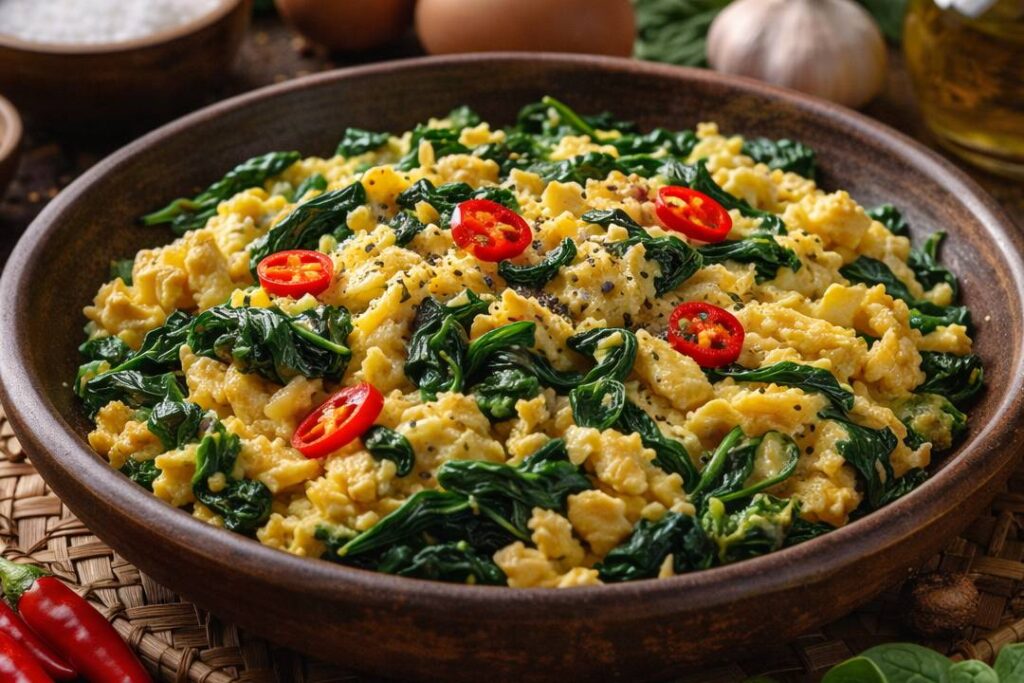
Scrambled eggs with spinach may sound basic. Nevertheless, this combination is nutritionally powerful. Eggs provide high-quality protein and essential amino acids. Meanwhile, spinach adds iron, fiber, and antioxidants. Because the dish is rich in protein, it keeps you full for hours. In addition, spinach increases portion size without adding many calories. Compared to sugary breakfast cereals, this option delivers sustained energy. Personally, I find this meal ideal for busy mornings because it takes less than ten minutes to prepare. Simple, quick, and effective—that is what makes it a smart choice.
Ingredients for Scrambled Eggs with Spinach
- 2 large eggs
- 1 cup fresh spinach
- 1 teaspoon olive oil
- Salt and black pepper to taste
- Optional: chili flakes
These ingredients create a balanced meal with approximately 200–250 calories, depending on oil usage.
Step-by-Step Preparation
- Heat olive oil in a non-stick pan over medium heat.
- Add fresh spinach and sauté for 1–2 minutes until slightly wilted.
- In a bowl, whisk the eggs with salt and pepper.
- Pour the egg mixture into the pan.
- Stir gently using a spatula until softly scrambled.
- Remove from heat once the texture is creamy, not dry.
- Sprinkle chili flakes if desired.
- Serve immediately for best flavor.
Cooking slowly prevents dryness and preserves the creamy texture.
Meal Two: Baked Tempeh with Paprika
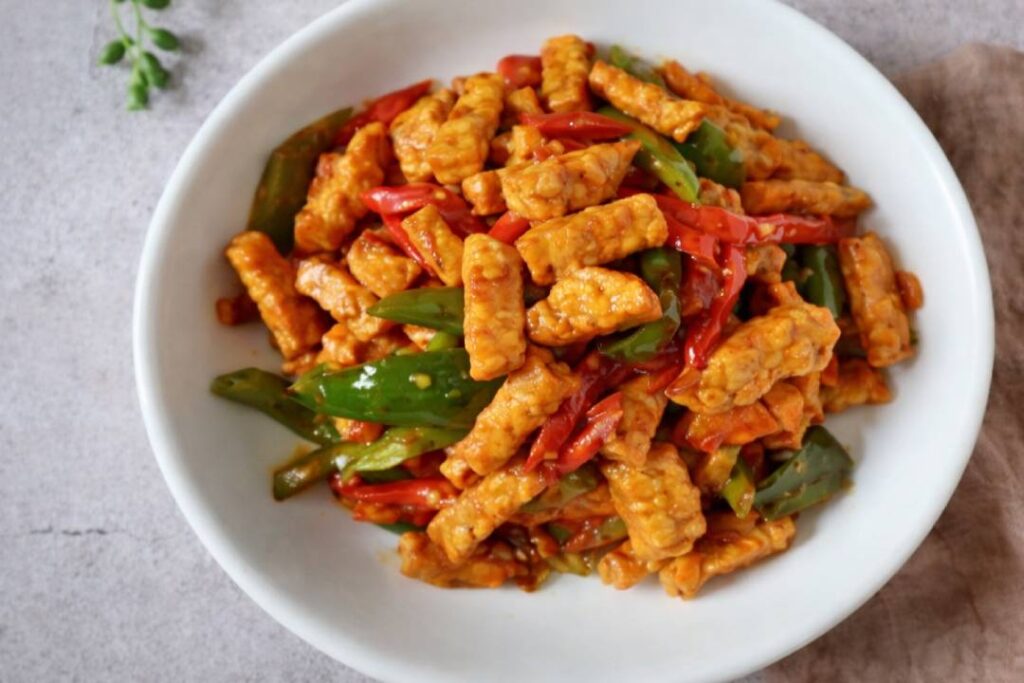
Tempeh is often underrated. Yet, it is a nutritional powerhouse. As a fermented soy product, tempeh is rich in protein and probiotics. Therefore, it supports both muscle health and digestion. When baked instead of fried, it remains low in calories while maintaining a satisfying texture. Paprika adds smoky sweetness without extra fat. Compared to deep-fried plant proteins, baked tempeh feels lighter yet equally flavorful. If you are exploring plant-based options, this dish is a reliable starting point.
Ingredients for Baked Tempeh with Paprika
- 150 grams tempeh, sliced
- 1 red bell pepper, sliced
- 1 teaspoon olive oil
- 1 teaspoon smoked paprika
- ½ teaspoon garlic powder
- Salt and pepper to taste
This portion provides approximately 300 calories, depending on oil quantity.
Step-by-Step Preparation
- Preheat the oven to 180°C (350°F).
- Arrange tempeh slices on a baking tray lined with parchment paper.
- Toss bell pepper slices with olive oil, paprika, garlic powder, salt, and pepper.
- Place peppers around the tempeh.
- Bake for 20–25 minutes until lightly golden.
- Flip tempeh halfway through for even cooking.
- Remove once edges are slightly crisp.
- Serve warm with fresh greens.
Baking enhances flavor while keeping the dish diet-friendly.
Meal Three: Low-Calorie Paprika Chicken
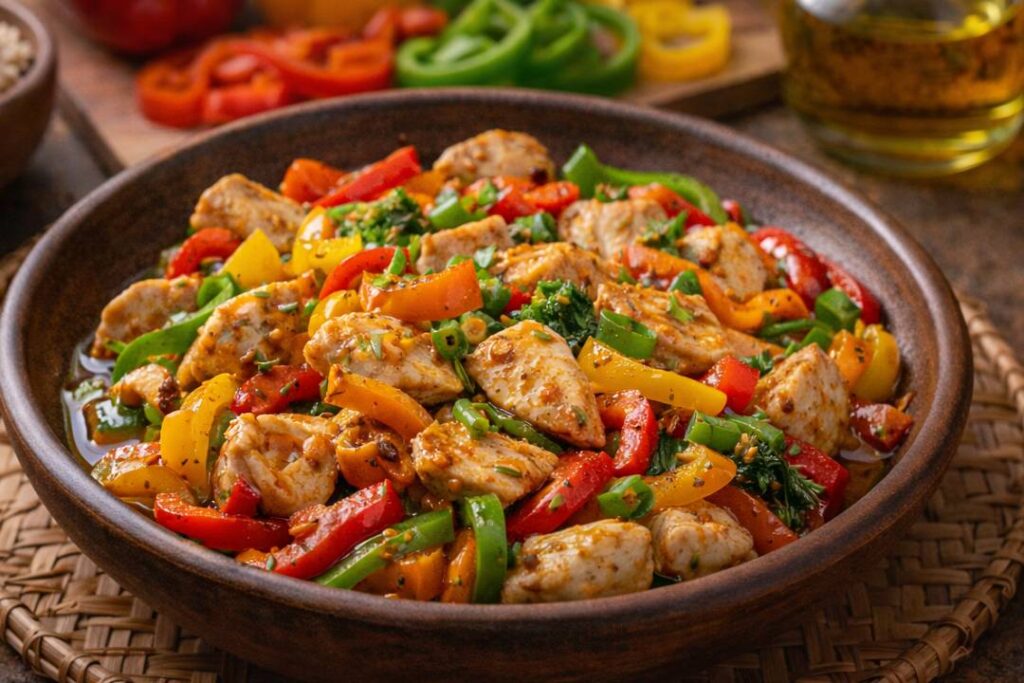
Chicken breast is a classic diet staple. However, the secret lies in preparation. Low-calorie paprika chicken focuses on seasoning rather than creamy sauces. Paprika, garlic, and a small amount of olive oil create bold flavor without excess calories. Because chicken is high in protein, it promotes fullness and muscle maintenance. Additionally, pairing it with vegetables increases volume. Compared to fried chicken, this version is significantly lighter while still satisfying.
Ingredients for Low-Calorie Paprika Chicken
- 200 grams chicken breast
- 1 teaspoon olive oil
- 1 teaspoon paprika
- ½ teaspoon black pepper
- ½ teaspoon garlic powder
- 1 cup steamed vegetables
This meal typically ranges between 300–350 calories.
Step-by-Step Preparation
- Pat the chicken breast dry with paper towels.
- Rub with olive oil evenly.
- Mix paprika, pepper, and garlic powder in a small bowl.
- Coat the chicken with the seasoning mixture.
- Heat a grill pan over medium heat.
- Cook chicken for 5–6 minutes per side.
- Ensure internal temperature reaches safe cooking level.
- Serve alongside steamed vegetables.
Cooking over moderate heat preserves moisture and prevents dryness.
How These Meals Support a Filling Diet
Each dish in 3 Healthy Low-Calorie Meals for a Filling Diet combines protein, fiber, and balanced seasoning. As a result, hunger levels remain stable throughout the day. Instead of relying on extreme calorie restriction, this approach promotes sustainable eating habits. Moreover, these meals are easy to prepare and adaptable. You can swap spinach for kale or tempeh for tofu without changing the structure. Ultimately, the key lies in choosing nutrient-dense foods that provide satiety.
Tips for Maximizing Fullness Without Extra Calories
First, focus on protein at every meal. Second, increase vegetable volume generously. Third, control oil portions carefully. Additionally, drink enough water to support digestion. Finally, avoid ultra-processed sauces that add hidden calories. These simple strategies enhance results without making you feel deprived. Dieting should feel empowering, not exhausting.
3 Healthy Low-Calorie Meals for a Filling Diet prove that eating light does not mean eating less. By combining scrambled eggs with spinach, baked tempeh with paprika, and low-calorie paprika chicken, you create meals that nourish and satisfy. Balanced ingredients ensure steady energy and better appetite control. Instead of chasing quick fixes, focus on sustainable habits. With thoughtful preparation and smart ingredient choices, healthy eating becomes enjoyable and realistic for the long term.