Spanish Fideuà: A Flavorful Mediterranean Seafood Meal with Toasted Noodles
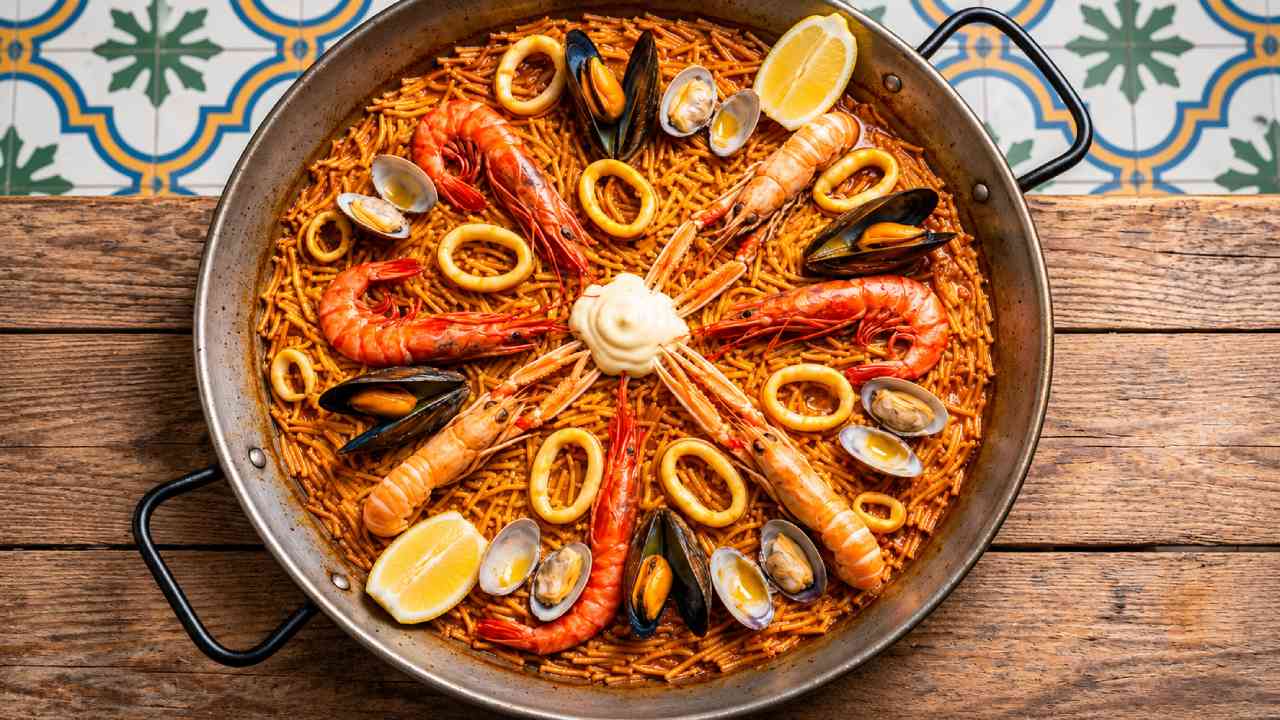
LoveFoodReadyMeals – Spanish Fideuà is a traditional Mediterranean seafood meal that combines toasted noodles with aromatic spices and rich seafood stock. This distinctive dish offers an appealing alternative to conventional pasta and rice-based meals. Its golden appearance immediately captures attention, while its savory aroma creates an inviting dining experience. Moreover, the combination of prawns, squid, and fish introduces several layers of natural flavor. Unlike pasta dishes with thick sauces, fideuà allows the noodles to absorb the cooking liquid directly. As a result, every bite carries the distinctive character of Mediterranean seafood. Olive oil, garlic, and saffron further enhance its aromatic qualities. Meanwhile, a serving of creamy alioli provides a pleasant contrast to the savory noodles. This combination makes fideuà an excellent choice for family gatherings, relaxed dinners, and special occasions.
Read Also: From Tahdig to Sushi, Crispy Rice Shapes Winter Food Trends
Toasted Noodles Create a Distinctive Flavor and Texture
One of the most interesting features of Spanish Fideuà is its use of short noodles known as fideos. These noodles provide a different texture from the rice commonly found in paella. Before adding the seafood stock, cooks can lightly toast the noodles in olive oil. This technique develops a subtle nutty aroma and an attractive golden color. Furthermore, toasted noodles offer additional depth without requiring heavy seasoning. During cooking, the pasta gradually absorbs the flavorful stock and becomes tender. However, careful temperature control helps prevent an excessively soft texture. Some portions may also develop a delicate crispness near the bottom of the pan. Consequently, the dish offers an enjoyable contrast between tender noodles and lightly toasted surfaces. This simple technique demonstrates how thoughtful preparation can transform everyday ingredients into a memorable meal.
Fresh Seafood Builds a Rich and Natural Taste
Beyond the distinctive noodles, seafood plays an essential role in developing the character of this Mediterranean meal. Prawns contribute a delicate sweetness, while squid introduces a pleasantly firm texture. Meanwhile, monkfish or other firm white fish can provide additional richness. Some variations also include mussels to enhance the natural flavors of the sea. However, selecting quality seafood remains more important than using numerous ingredients. Fresh seafood should have a mild aroma and a firm appearance. Additionally, proper preparation helps preserve its natural taste throughout the cooking process. Cooks should avoid overcooking delicate ingredients because excessive heat can create a rubbery texture. Therefore, adding seafood at appropriate stages can improve the final result. When these elements work together, the noodles develop a balanced flavor that feels rich without becoming overwhelming.
Aromatic Mediterranean Ingredients Enhance Every Bite
The natural sweetness of seafood becomes even more appealing when combined with Mediterranean seasonings. Garlic and tomatoes create a savory foundation that complements the toasted noodles. Meanwhile, olive oil adds richness and helps distribute the aromatic flavors throughout the pan. Saffron can introduce a warm golden color alongside its distinctive fragrance. In addition, Spanish paprika provides an earthy character that enhances the seafood stock. These ingredients work together without overpowering the delicate taste of fish and shellfish. Nevertheless, seasoning requires careful balance because seafood stock may already contain considerable salt. A small amount of freshly squeezed lemon can also introduce refreshing acidity before serving. As a result, Spanish Fideuà delivers several layers of flavor through relatively simple ingredients. This balanced approach reflects the practical elegance of Mediterranean cooking.
Traditional Pan Cooking Develops a Deeper Seafood Flavor
Alongside quality ingredients, the cooking method significantly influences the final texture and flavor. Fideuà traditionally uses a wide, shallow pan that allows the noodles to spread evenly. This design encourages consistent heat distribution and helps the cooking liquid evaporate. First, the cook prepares an aromatic base with olive oil, garlic, and tomatoes. Next, the toasted noodles absorb the seafood stock as the mixture gently simmers. Unlike conventional pasta preparation, this method does not require draining the noodles afterward. Instead, the cooking liquid becomes an essential part of the finished meal. Furthermore, limiting unnecessary stirring can help maintain an even texture. Once the stock reduces, the noodles should remain tender without becoming watery. Allowing the dish to rest briefly also helps the flavors settle before serving.
Spanish Fideuà Offers a Different Experience from Paella
Although Spanish Fideuà and paella share several cooking techniques, their main ingredients create different dining experiences. Traditional paella uses rice, whereas fideuà relies on short pasta. Therefore, each dish develops its own texture during the cooking process. Rice gradually absorbs the stock while maintaining its characteristic grain structure. In contrast, noodles provide a softer bite with opportunities for lightly toasted edges. Both dishes commonly use wide pans and aromatic Mediterranean ingredients. However, fideuà often emphasizes seafood and pairs particularly well with garlic-based alioli. Paella, meanwhile, includes several regional variations featuring different combinations of meat, vegetables, and seafood. Neither dish necessarily offers a better experience than the other. Instead, their differences provide diners with more opportunities to explore Spanish cuisine. For pasta enthusiasts, fideuà offers a particularly interesting introduction to Mediterranean cooking.
Read Also: Korean Soboro Bread Delights with Its Irresistibly Crunchy Crumble Topping
Creamy Alioli Complements the Savory Seafood Noodles
After exploring the differences between fideuà and paella, its traditional accompaniments deserve equal attention. Alioli is a garlic-based sauce that provides a creamy contrast to the toasted noodles. Its rich consistency complements the savory character of seafood without requiring additional cooking. Traditionally, alioli combines garlic and olive oil through careful emulsification. However, modern variations sometimes incorporate eggs to create a smoother and more stable texture. A small spoonful can introduce richness while preserving the distinctive flavors of the main dish. Meanwhile, fresh lemon wedges offer a lighter and more refreshing alternative. Diners can adjust these accompaniments according to their personal preferences. Furthermore, serving the sauce separately helps maintain the texture of the noodles. This simple presentation allows everyone to enjoy a balanced combination of seafood, garlic, and Mediterranean seasonings.
A Mediterranean Seafood Meal with Balanced Nutritional Value
Spanish Fideuà can also contribute to a varied and balanced eating pattern. Seafood provides protein, while the noodles supply carbohydrates that support daily energy needs. Depending on the ingredients, fish and shellfish may also provide vitamin B12, selenium, and omega-3 fatty acids. Moreover, olive oil contributes unsaturated fats commonly associated with Mediterranean cuisine. Tomatoes and garlic introduce additional nutrients alongside their aromatic qualities. Nevertheless, the nutritional profile depends on portion sizes and preparation methods. Excessive salt, oil, or creamy sauce can increase the meal’s sodium and calorie content. Therefore, moderate seasoning and sensible portions remain important considerations. Serving fideuà alongside a fresh vegetable salad can also introduce more fiber. This approach allows diners to enjoy its rich flavors while maintaining greater variety across their daily meals.
Modern Variations Introduce Creative Seafood Combinations
While traditional preparation remains appealing, contemporary cooking offers opportunities to explore new combinations. Some cooks incorporate roasted bell peppers to introduce natural sweetness and vibrant color. Others add grilled octopus, scallops, or lobster for a more distinctive seafood experience. Meanwhile, mushrooms and seasonal vegetables can provide additional texture and savory depth. Whole-wheat noodles may also offer an alternative for those seeking more dietary fiber. However, different pasta varieties require adjustments to cooking time and stock quantities. Maintaining the balance between noodles and cooking liquid remains essential regardless of the ingredients. Furthermore, creative additions should complement rather than dominate the seafood flavors. This flexibility makes Spanish Fideuà suitable for different dining preferences and occasions. Through thoughtful experimentation, home cooks can develop personal interpretations while respecting the dish’s recognizable Mediterranean character.
Spanish Fideuà Creates an Inviting Shared Dining Experience
Beyond its ingredients and cooking techniques, Spanish Fideuà offers a dining experience centered around sharing. Its wide cooking pan naturally creates an attractive centerpiece for the table. Golden noodles, colorful seafood, and fresh herbs contribute to its inviting presentation. Moreover, serving the meal directly from the pan encourages a relaxed and communal atmosphere. Diners can enjoy individual portions with lemon wedges, alioli, or a refreshing vegetable salad. For a more elegant presentation, smaller servings can highlight carefully arranged prawns and delicate herbs. However, the dish benefits most from immediate serving while the noodles retain their ideal texture. Fresh parsley can provide a final aromatic touch without overwhelming the seafood. Whether prepared for a weekend gathering or a special dinner, fideuà brings Mediterranean warmth, comforting flavors, and culinary creativity to the dining table.
