Crème Brûlée Makes a Comeback with Its Signature Caramel Crunch
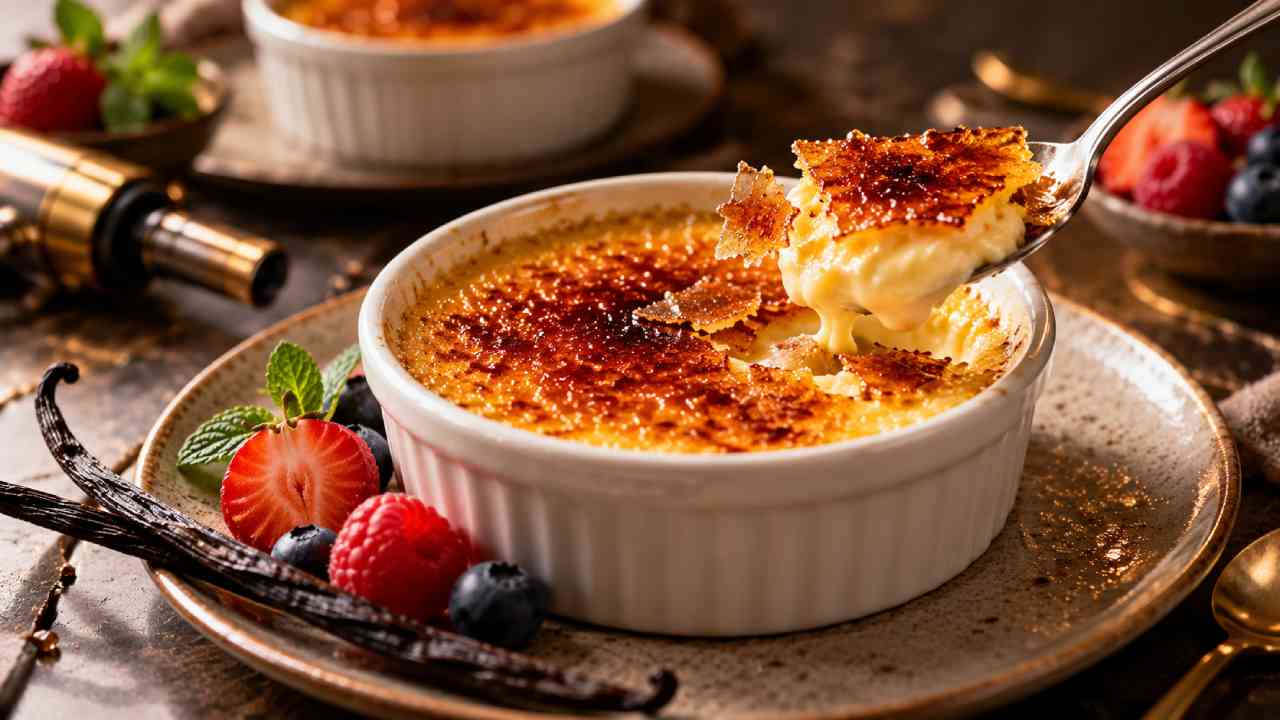
LoveFoodReadyMeals – Crème Brûlée has everything a memorable dessert needs without looking overly complicated. Beneath its thin caramel shell sits a smooth custard made with cream, egg yolks, sugar, and vanilla. However, its appeal goes beyond rich ingredients. The real experience begins when a spoon breaks through the crisp sugar surface. That first crack reveals the cool and silky custard underneath. As a result, two contrasting textures meet in a single bite. This balance has helped the French classic remain familiar on restaurant dessert menus. It also explains why modern pastry chefs continue to reinterpret it. Coffee, pistachio, citrus, chocolate, and matcha can introduce new flavors without changing the dessert’s basic identity. In my view, this combination of simplicity and technique gives Crème Brûlée lasting appeal. It feels elegant, yet its core idea remains wonderfully straightforward.
Read Also: Matcha Tiramisu Cake Recipe, an Elegant Balance of Bitter and Sweet
The Signature Caramel Crunch Creates Its Most Memorable Moment
The caramel topping gives Crème Brûlée its unmistakable personality. Once the custard has chilled, a thin layer of sugar is scattered evenly across the surface. Intense heat then melts that sugar and turns it into caramel. A kitchen torch is commonly used because it delivers strong heat quickly. Therefore, the sugar can caramelize without warming the custard too much. After a short cooling period, the melted sugar becomes a delicate glass-like crust. The best layer should crack easily under gentle pressure from a spoon. If too much sugar is used, however, the crust can become thick and difficult to break. Too little sugar creates the opposite problem because the caramel may lack texture. For that reason, an even coating matters. The slight bitterness of deeply caramelized sugar also balances the sweet custard. Consequently, the topping does more than provide visual drama. It creates flavor, aroma, sound, and texture at once.
Silky Custard Gives Crème Brûlée Its Luxurious Texture
While the caramel gets plenty of attention, the custard determines whether Crème Brûlée truly succeeds. A well-made custard should feel silky and creamy rather than firm or rubbery. Egg yolks provide structure, while heavy cream creates richness. Sugar adds sweetness, and vanilla brings a warm aroma that connects the other flavors. Nevertheless, temperature control is essential. Excessive heat can cause egg proteins to tighten too quickly. This may produce a grainy texture instead of a smooth custard. For that reason, many recipes rely on gentle baking and careful timing. The center can retain a slight wobble when the ramekins leave the oven. It will continue to set as it cools. After chilling, the custard develops the dense yet delicate texture associated with the classic dessert. This careful balance shows why a short ingredient list does not necessarily mean an effortless recipe. Technique still plays the leading role.
A Water Bath Helps Protect the Delicate Custard
A water bath, also known as a bain-marie, is one of the most useful techniques when preparing Crème Brûlée. The filled ramekins are placed inside a larger baking dish. Hot water is then added around them before the tray enters the oven. The surrounding water moderates the heat and creates a gentler baking environment. Therefore, the edges are less likely to overcook while the center remains liquid. This method also reduces sudden temperature changes around the custard. In practical terms, that means a smoother and more consistent texture. Home cooks should still avoid splashing water into the ramekins, since extra moisture can affect the surface. Once baked, the desserts need time to cool before refrigeration. Chilling is not merely a serving preference. It helps the custard become properly set. Only after this stage should the caramel crust be prepared, ideally close to serving time for maximum crunch.
Vanilla Keeps the Classic Version Simple and Elegant
Traditional Crème Brûlée usually allows vanilla to take center stage. Vanilla bean is especially appealing because it offers a deep aroma and leaves tiny seeds throughout the custard. However, good vanilla extract can also work well in a home kitchen. The goal is not to overwhelm the cream. Instead, vanilla should support its richness while adding a warm fragrance. This restrained flavor profile is one reason the dessert pairs well with fresh berries, coffee, or tea. Moreover, keeping the custard relatively simple makes the caramelized topping more noticeable. Each spoonful moves from crisp burnt sugar into smooth vanilla cream. Modern desserts often depend on several toppings and decorative elements. Crème Brûlée takes a different approach. Its presentation can remain minimal while still feeling refined. That simplicity also leaves room for seasonal variations. Citrus zest, espresso, or spices can be introduced carefully while preserving the recognizable structure of the original dessert.
Modern Flavors Give the French Classic New Energy
The renewed appeal of Crème Brûlée is easy to understand when looking at its versatility. Pastry chefs can adapt the custard without losing the signature caramel top. Pistachio offers a nutty profile, while espresso introduces pleasant bitterness. Matcha creates an earthy contrast against the sweet crust. Meanwhile, orange or lemon zest can make the custard feel brighter. Chocolate provides a richer direction for diners who prefer deeper flavors. Beyond ramekins, the concept has also inspired donuts, tarts, cheesecakes, cookies, and other desserts. These creations borrow the familiar idea of creamy filling beneath a crackly caramel surface. However, successful reinterpretations still need balance. Adding too many flavors can hide the qualities that make the original memorable. In my view, the strongest modern versions change one major element while preserving the contrast between creamy and crisp. That approach allows innovation to feel connected to the classic rather than replacing it.
Crème Brûlée and Crème Caramel Offer Different Experiences
Crème Brûlée and crème caramel can look related because both combine custard with caramelized sugar. However, they deliver noticeably different eating experiences. Crème Brûlée keeps its caramel on top as a hard, brittle layer. Crème caramel, by contrast, usually begins with caramel in the mold. After cooking and unmolding, that caramel becomes a flowing sauce around the custard. Their textures can also differ. Crème Brûlée is commonly prepared with heavy cream, which creates a rich mouthfeel. Crème caramel often includes milk and can feel lighter. Presentation provides another clear distinction. Crème caramel is usually turned out of its mold, while Crème Brûlée is served directly inside a shallow ramekin. Neither approach is inherently better. Instead, each dessert uses similar building blocks to create a different result. This comparison highlights an important pastry lesson: technique can transform familiar ingredients into completely different experiences.
Read Also: Dumpling Craze Grows as New Zealand Launches Nationwide Food Trail
Simple Ingredients Make Technique More Important
One reason Crème Brûlée continues to fascinate home bakers is its relatively short ingredient list. Cream, egg yolks, sugar, and vanilla can create the classic base. Yet every stage affects the final texture. The cream should be heated gently rather than aggressively boiled. Next, warm cream should be incorporated into the yolk mixture gradually. This tempering process helps prevent the eggs from scrambling. The custard can then be strained for an even smoother finish before baking. Afterward, patience becomes essential because proper chilling takes time. Finally, the sugar topping needs strong but controlled heat. These details explain why Crème Brûlée can feel sophisticated despite using everyday ingredients. From an E-E-A-T perspective, practical technique matters more than exaggerated claims about secret ingredients. Reliable results come from temperature control, consistent portions, and careful observation. Once those fundamentals are understood, the dessert becomes much more approachable for home cooks.
The Perfect Caramel Crack Depends on Timing
Timing becomes especially important during the final stage of Crème Brûlée. The custard should be thoroughly chilled before sugar is added. Otherwise, torching the surface may warm the dessert more than desired. First, any moisture on top can be gently removed. Next, sugar should be spread into a thin and even layer. The torch can then move continuously across the surface instead of staying in one place. Gradually, the sugar melts, bubbles, and develops an amber color. Allowing the caramel to rest briefly helps it harden before serving. However, waiting too long can cause the crust to absorb moisture from the custard. Eventually, that crisp layer may soften. Therefore, caramelizing shortly before serving often gives the most satisfying texture. The resulting crack is more than a dramatic finishing touch. It signals that the dessert has achieved the contrast that defines the classic experience.
Why Crème Brûlée Continues to Captivate Dessert Lovers
Food trends often move quickly, yet Crème Brûlée has qualities that work across generations. It offers familiar flavors, a distinctive texture, and a small interactive moment at the table. Diners do not simply scoop into the dessert. First, they break the caramel shell. That tiny action builds anticipation before the custard is even tasted. Moreover, the dessert photographs beautifully without requiring excessive decoration. The amber surface catches light, while the creamy interior creates an appealing contrast once opened. These qualities suit modern food culture, where visual presentation often accompanies the dining experience. Still, appearance alone cannot explain its longevity. Crème Brûlée succeeds because the flavor structure is balanced. Rich cream meets bittersweet caramel, while vanilla provides warmth without dominating. Trends may bring new versions into the spotlight, but the fundamental appeal remains remarkably consistent. Sometimes, the most enduring desserts are those that know exactly what they are.
