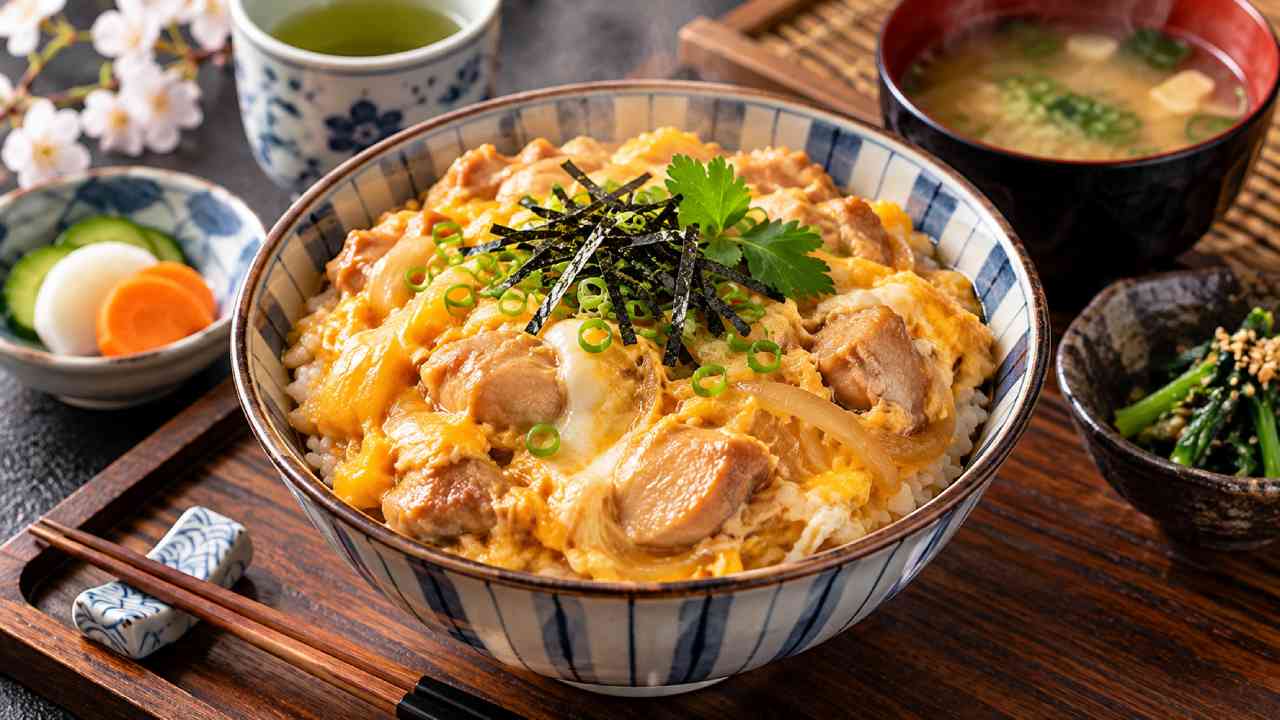
Japanese Oyakodon, A Comforting Asian Chicken and Egg Rice Bowl
LoveFoodReadyMeals – Oyakodon is a comforting Japanese rice bowl built around chicken, soft eggs, onions, and warm steamed rice. Although the ingredients look simple, they create layers of savory and gently sweet flavor. The chicken cooks in a seasoned broth that often combines dashi, soy sauce, and mirin. Meanwhile, sliced onions soften and absorb the sauce. Eggs are then added near the end, creating a tender topping that settles over the chicken. Finally, everything is served over freshly cooked rice. This combination makes Oyakodon an excellent example of Asian comfort food that does not need complicated preparation. Moreover, its balanced flavors make it suitable for lunch or dinner. The dish feels warm, familiar, and deeply satisfying. For home cooks, it also offers an approachable introduction to Japanese cooking. A few basic techniques can turn everyday ingredients into a memorable rice bowl.
Read Also: Japanese Milk Bread Goes Viral as Its Cloud-Like Texture Wins Fans
Oyakodon Shows the Beauty of Simple Japanese Cooking
Japanese home cooking often demonstrates how a short ingredient list can create impressive flavor. Oyakodon captures that idea perfectly. Chicken, eggs, onions, and rice form the heart of the meal. However, the seasoned broth brings those ingredients together. Dashi adds savory depth, while soy sauce provides saltiness and umami. Mirin, meanwhile, introduces a gentle sweetness. As the onions cook, they soften and release their natural flavor into the broth. The chicken then absorbs part of that seasoned liquid. Finally, softly cooked eggs create a delicate layer over everything. In my view, this simplicity is the strongest appeal of the dish. There are no unnecessary components competing for attention. Instead, each ingredient has a clear purpose. Therefore, Oyakodon feels comforting rather than overly rich. It is also practical enough for busy evenings. Once the rice is ready, the topping can come together relatively quickly in one pan.
The Story Behind the Name Oyakodon
The name Oyakodon gives the dish an identity that is easy to remember. In Japanese, oyako refers to “parent and child.” The word don comes from donburi, which describes a bowl of rice topped with other ingredients. In this case, chicken represents the parent, while egg represents the child. Therefore, the name directly reflects the relationship between its two main ingredients. This playful naming also reveals something interesting about Japanese food culture. A dish can tell a story before the first bite. Moreover, the name distinguishes Oyakodon from other popular donburi dishes. Gyudon usually features beef, while katsudon is commonly topped with a breaded cutlet and egg. Oyakodon takes a softer approach. Its chicken and eggs simmer together instead of relying on fried textures. As a result, the finished bowl feels gentle, cohesive, and especially suited to everyday comfort food.
Why This Asian Rice Bowl Feels So Comforting
Comfort food often depends on texture as much as flavor. Oyakodon combines both elements effectively. Warm rice creates a soft foundation that catches the seasoned broth. Juicy chicken adds substance, while tender onions provide mild sweetness. Most importantly, the eggs connect everything together. They should remain soft rather than becoming dry or rubbery. Consequently, the topping develops a silky texture that mixes naturally with the rice underneath. The sauce also plays an important role. It is savory but usually not overpowering. At the same time, mirin and onions add enough sweetness to round out the soy sauce. Compared with heavily spiced dishes, Oyakodon relies more on balance than intensity. That quality makes it easy to enjoy without tiring the palate. Furthermore, the steaming bowl creates an immediate sense of warmth. It is the kind of meal that feels especially inviting after a long day.
Essential Ingredients for Homemade Oyakodon
A good Oyakodon does not require a long shopping list. However, ingredient quality can influence the final flavor. Chicken thighs work especially well because they remain juicy during simmering. Japanese short-grain rice provides the ideal soft and slightly sticky base. Meanwhile, dashi creates the savory foundation of the sauce.
Ingredients:
• 2 cups freshly cooked Japanese short-grain rice
• 300 grams boneless, skinless chicken thighs
• 3 large eggs
• 1 medium onion, thinly sliced
• ¾ cup dashi stock
• 2 tablespoons Japanese soy sauce
• 2 tablespoons mirin
• 1 teaspoon sugar
• 2 green onions, thinly sliced
• Mitsuba leaves, optional
• Toasted sesame seeds, optional
For the best result, cut the chicken into small bite-sized pieces. This helps it cook evenly and absorb more flavor. Additionally, avoid using too much sauce. Oyakodon should moisten the rice without turning it into soup.
How to Make Oyakodon Step by Step
The cooking technique is simple, yet timing matters. In particular, the eggs should remain tender. Prepare the rice before starting the topping because the chicken and egg mixture cooks quickly.
Steps:
- Add the dashi, soy sauce, mirin, and sugar to a medium frying pan. Stir gently and bring the mixture to a light simmer.
- Add the sliced onion. Cook for about three minutes until it begins to soften.
- Place the chicken pieces over the onions. Simmer gently until the chicken is almost fully cooked.
- Crack the eggs into a bowl. Beat them lightly, but do not mix them until completely uniform.
- Pour about two-thirds of the egg mixture over the chicken. Cover the pan briefly and let the eggs begin to set.
- Add the remaining egg. Continue cooking over low heat until it reaches your preferred texture.
- Divide the freshly cooked rice between serving bowls.
- Carefully slide the chicken and egg mixture over the warm rice.
- Spoon a little seasoned broth from the pan over each bowl.
- Finish with green onions, mitsuba, or toasted sesame seeds before serving.
Soft Eggs Are the Secret to Better Oyakodon
Egg texture can make a noticeable difference in Oyakodon. If the eggs cook for too long, they become firm and lose the delicate quality associated with the dish. Therefore, gentle heat is important. Lightly beating the eggs also creates a more interesting texture. Instead of producing one uniform yellow layer, loosely mixed whites and yolks form soft ribbons throughout the topping. Another useful technique is adding the eggs in two stages. The first portion cooks enough to bind the chicken and onions. Meanwhile, the second portion remains softer and creates a silky finish. However, food safety should also guide preparation. If serving people who are more vulnerable to foodborne illness, use pasteurized eggs or cook the eggs thoroughly. Ultimately, the preferred doneness can be adjusted to personal taste. The goal is a topping that feels tender and moist rather than dry.
Dashi Creates the Umami Foundation
Dashi may look like a minor ingredient, yet it strongly influences the character of Oyakodon. This Japanese stock provides a savory base without making the dish feel heavy. Traditional dashi is often prepared with kombu and katsuobushi. However, convenient dashi products are also widely used in home kitchens. Once mixed with soy sauce and mirin, the stock creates the seasoned liquid in which the onions and chicken simmer. Consequently, every component absorbs some of its flavor. The key is maintaining balance. Too much soy sauce can make the broth overly salty. Likewise, excessive sugar can hide the delicate character of the dashi. Therefore, taste the sauce before adding the chicken. You should notice savory depth first, followed by mild sweetness. In a well-balanced bowl, no single seasoning should dominate. Instead, the broth should quietly support the chicken, eggs, onions, and rice.
Choosing the Right Rice Makes a Difference
Rice is not simply a side dish in Oyakodon. It is the foundation of the entire bowl. Japanese short-grain rice works particularly well because of its soft texture and natural stickiness. As a result, it holds the chicken, egg, and sauce together in each bite. Long-grain rice can still be used, although the experience will be slightly different. Its grains remain more separate and absorb the topping differently. Regardless of the variety, fresh rice is preferable. Warm rice absorbs a small amount of broth while maintaining enough structure underneath the topping. Moreover, avoid pouring excessive sauce into the bowl. Too much liquid can make the rice overly soft. Ideally, the upper layer should become seasoned while the rice below remains fluffy. This contrast creates a more satisfying eating experience. For that reason, rice preparation deserves as much attention as the chicken and eggs.
Read Also: Chickpea Spinach Curry, A Wholesome Bowl Packed with Flavor
Practical Tips for a Flavorful Oyakodon
Small details can improve both flavor and texture. Fortunately, these techniques are easy to follow even for beginners.
Tips:
- Use chicken thighs when possible because they stay tender during simmering.
- Slice the onions thinly so they soften quickly and evenly.
- Keep the broth at a gentle simmer instead of a vigorous boil.
- Beat the eggs lightly to preserve visible ribbons of white and yolk.
- Add the egg mixture in two stages for a softer final texture.
- Prepare the rice first because the topping cooks relatively quickly.
- Taste the broth before adding the chicken and adjust the seasoning carefully.
- Avoid adding too much sauce to the finished bowl.
- Serve the dish immediately while the rice and topping are still warm.
- Add green onions or mitsuba at the end for freshness and color.
These steps may appear small. Nevertheless, together they help create a more balanced and polished rice bowl.
How Oyakodon Differs From Other Japanese Donburi
Japan has many popular rice bowl dishes, yet each offers a different experience. Gyudon typically combines thin slices of beef and onions with a savory-sweet sauce. Katsudon, meanwhile, features a breaded pork cutlet with eggs and onions. Oyakodon is generally softer in both texture and character. Instead of fried meat, it uses tender chicken simmered directly in seasoned broth. Therefore, the dish feels lighter than katsudon while still being satisfying. The egg also plays a more central role because it surrounds the chicken rather than simply finishing the bowl. Compared with gyudon, Oyakodon has a gentler flavor profile. However, all three dishes share the practical donburi concept. Rice and topping arrive together in one bowl, creating a convenient complete meal. This format also makes portioning straightforward. Ultimately, choosing between them depends on whether you prefer beef, crispy cutlets, or soft chicken and eggs.
A Timeless Asian Meal for Everyday Cooking
The lasting appeal of Oyakodon comes from its ability to make ordinary ingredients feel special. Chicken and eggs are familiar in kitchens around the world. Yet Japanese seasonings and careful cooking give them a distinctive identity. Moreover, the recipe does not require complicated equipment or lengthy preparation. That makes it approachable for cooks who are new to Japanese cuisine. At the same time, there is enough technique involved to reward careful cooking. The onions should become tender without disappearing. The chicken needs to remain juicy. Meanwhile, the eggs require attention during their final moments in the pan. When these elements come together, the result is greater than the ingredient list suggests. Each spoonful combines warm rice, savory broth, chicken, and silky egg. Therefore, Oyakodon remains a wonderful example of Asian comfort food built on simplicity, balance, and thoughtful preparation.
