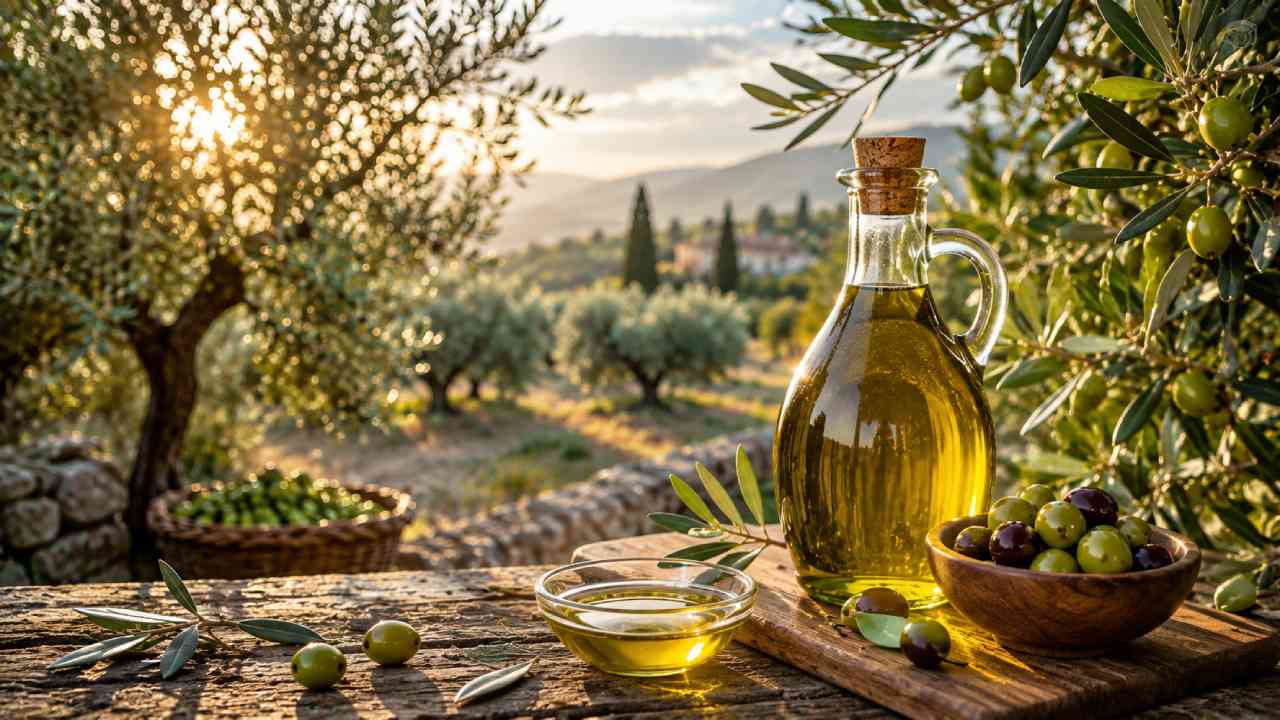
Inside Organic Extra Virgin Olive Oil, From Olive Grove to Golden Bottle
LoveFoodReadyMeals – Organic Extra Virgin Olive Oil starts its journey long before golden oil reaches a kitchen. It begins among olive trees, where growers carefully manage soil, water, and plant health. Organic farming follows certified standards that restrict many synthetic fertilizers and pesticides. Therefore, growers often rely on crop management, natural inputs, and careful observation. Climate also shapes every harvest. Rainfall, temperature, soil conditions, and olive varieties can influence both yield and flavor. Moreover, farmers must decide exactly when to pick the fruit. Early harvesting may produce less oil, yet it can deliver stronger aromas and a more intense character. Later harvesting often increases oil yield while creating a softer profile. As a result, every bottle starts with decisions made months before harvest. For consumers, understanding this agricultural story adds another layer to the experience.
Read Also: Waffle Cone Cake Reinvents the Classic Ice Cream Experience
Harvest Timing Can Shape Flavor and Aroma
Harvest season brings urgency to an olive grove. Growers watch the fruit closely as green olives gradually develop darker shades. However, color alone does not determine the perfect harvest date. Producers also consider flavor goals, weather, fruit condition, and expected oil yield. Earlier fruit often creates fresh, grassy, bitter, or peppery notes. Meanwhile, riper olives can produce gentler and fruitier characteristics. Workers may harvest olives by hand or use mechanical equipment, depending on the farm. Afterward, speed becomes important. Producers generally aim to move healthy fruit toward processing quickly because damaged or poorly stored olives can lose quality. Therefore, careful handling matters from the first moment of harvest. This stage shows why Organic Extra Virgin Olive Oil can vary greatly between producers. The final character reflects not only the olive variety but also dozens of decisions made during harvest.
Fresh Olives Move Quickly From Harvest to Extraction
Once growers collect the olives, the next stage begins rapidly. Producers transport the fruit to a mill, where equipment removes leaves and washes away dirt. Next, machines crush the olives into a thick paste. This step releases tiny oil droplets from the fruit. The paste then goes through malaxation, which gently mixes it so those droplets can combine. Modern systems use centrifuges to separate oil from water and solid material. Throughout this process, skilled producers manage time, temperature, and oxygen exposure carefully. Excessive heat or poor handling can weaken delicate aromas. Consequently, precision matters as much as speed. Organic Extra Virgin Olive Oil does not gain quality through chemical refining. Instead, producers depend on sound fruit and controlled mechanical extraction. That simple principle explains why the condition of freshly harvested olives remains so important.
Extra Virgin and Organic Describe Two Different Qualities
Consumers often treat “organic” and “extra virgin” as interchangeable terms. However, they describe different parts of the product. Organic certification concerns agricultural production and compliance with specific organic standards. In contrast, extra virgin refers to an olive oil category with defined chemical and sensory requirements. Therefore, an olive oil can qualify as extra virgin without carrying organic certification. Likewise, organic farming alone does not automatically guarantee excellent flavor. Producers still need healthy fruit, careful extraction, proper storage, and quality control. This distinction helps shoppers read labels more critically. Rather than focusing on one attractive word, they can examine the complete product. Harvest information, origin, packaging, certification, and producer transparency may provide useful context. In my view, this knowledge makes Organic Extra Virgin Olive Oil more interesting because its quality depends on both agriculture and skilled processing.
Fresh Flavor Makes Every Bottle Distinctive
A quality olive oil can offer much more than a neutral source of cooking fat. Depending on the olives and harvest, aromas may suggest fresh grass, herbs, green tomato, almond, artichoke, or ripe fruit. Bitterness and a peppery sensation can also appear. These characteristics often surprise people who expect every olive oil to taste identical. In reality, olive variety, climate, maturity, and production methods create noticeable differences. For example, one Organic Extra Virgin Olive Oil may taste bold and grassy, while another feels delicate and fruity. Neither profile automatically signals superior quality because personal preference and food pairing also matter. However, freshness can strongly influence the experience. For this reason, consumers should think of premium EVOO more like a fresh agricultural product than an oil that remains unchanged forever.
Dark Bottles Help Protect the Oil After Production
The journey does not end when oil leaves the mill. Storage can change flavor and aroma over time. Light, heat, and oxygen can accelerate oxidation, so thoughtful packaging becomes important. Dark glass bottles and suitable metal containers help limit exposure to light. Meanwhile, consumers should store olive oil away from hot stoves and sunny windows. A cool, dark cupboard usually offers a more suitable location. Closing the cap after each use also reduces unnecessary contact with air. Furthermore, buying an appropriate bottle size can help households finish the oil while its sensory qualities remain enjoyable. These simple habits protect the work that started in the grove. Organic Extra Virgin Olive Oil may begin with excellent fruit, but poor storage can still diminish its character. Therefore, responsible handling matters from production through the final pour.
Organic Extra Virgin Olive Oil Has Many Kitchen Uses
A good bottle can serve far more purposes than salad dressing. Cooks use extra virgin olive oil for sautéing, roasting, marinades, sauces, soups, and everyday meals. It also works particularly well as a finishing oil because fresh aromas remain noticeable when added near serving time. For instance, a small drizzle can transform roasted vegetables, hummus, beans, pasta, or toasted sourdough. Organic Extra Virgin Olive Oil also pairs naturally with Mediterranean ingredients such as tomatoes, garlic, herbs, legumes, and fresh vegetables. However, cooks do not need complicated recipes to appreciate it. Even bread with olive oil can highlight differences between bottles. In my experience, simple foods often reveal the oil’s character most clearly. Instead of hiding the flavor beneath heavy sauces, they allow fruity, grassy, bitter, and peppery notes to become part of the meal.
Read Also: Pistachio Milk Cake Brings a Moist Texture and Creamy Nutty Flavor
Nutrition Is Only One Part of the Story
Extra virgin olive oil mainly provides fat, including a high proportion of monounsaturated fatty acids such as oleic acid. It can also contain minor compounds, including phenolic compounds, although levels vary between oils. Still, the word “organic” should not become a shortcut for exaggerated health claims. Organic certification primarily describes farming practices rather than guaranteeing a dramatically different nutritional profile. In addition, olive oil remains energy-dense, so portion size still matters within an overall diet. A more useful perspective considers both quality and eating patterns. Organic Extra Virgin Olive Oil can complement vegetables, whole grains, legumes, and other foods commonly associated with Mediterranean-style meals. Therefore, consumers should view it as one ingredient within a broader dietary pattern. Accurate information builds more trust than promising unrealistic benefits from a single bottle.
Choosing a Better Bottle Requires More Than a Pretty Label
Olive oil shelves can feel confusing because packaging often uses words such as premium, natural, traditional, or artisan. Instead of relying on marketing language, shoppers can look for more meaningful information. Organic certification should come from a recognized certification system in the relevant market. Consumers can also examine origin details, producer information, packaging, and available harvest data. In addition, a dark container offers better light protection than clear packaging. Price alone cannot guarantee quality, although careful farming and production can increase costs. Once opened, aroma and flavor provide additional clues about the experience. A lively Organic Extra Virgin Olive Oil may offer noticeable fruitiness alongside bitterness or pepperiness. Ultimately, informed shopping requires context rather than one magic label. The best bottle is one that combines trustworthy production information, suitable storage, enjoyable flavor, and a style that fits the foods you cook.
From Olive Grove to Golden Bottle, Details Matter
The story behind Organic Extra Virgin Olive Oil shows how much work can hide inside a simple bottle. Farmers first care for trees through changing seasons. Then, harvest timing influences the fruit that reaches the mill. Producers must handle those olives carefully and extract the oil with precision. After that, proper packaging and storage help preserve its character. Each stage affects what consumers eventually smell and taste. This journey also explains why two bottles can offer very different experiences, even when both carry organic and extra virgin labels. One may taste intensely green and peppery, while another may offer softer fruit notes. That diversity makes olive oil worth exploring beyond basic cooking. More importantly, understanding the process encourages consumers to value freshness, transparency, and responsible production. A golden pour may look simple, but its story begins with an entire grove.
