Eating Rice Without the Hassle: How to Diet and Eat Rice in a Balanced Manner
LoveFoodReadyMeals – Eating Rice Without the Hassle is not just a catchy phrase. Instead, it reflects a realistic way to approach dieting without extreme restrictions. Many people believe that dieting means eliminating rice completely. However, that idea is often misleading. In reality, sustainable diets focus on balance rather than deprivation. Therefore, keeping rice in your meals can actually help maintain consistency. Moreover, when people remove staple foods suddenly, they often feel stressed and give up quickly. That is why a balanced approach works better in the long term. From a practical perspective, rice provides essential energy for daily activities. As a result, removing it entirely may reduce stamina. By contrast, managing portions and pairing rice with the right foods creates a healthier pattern. Ultimately, Eating Rice Without the Hassle allows you to enjoy your meals while still progressing toward your health goals.
Understanding the Role of Rice in Daily Nutrition
Rice is often misunderstood in diet culture. While it is a carbohydrate source, it is also an important energy provider. In fact, carbohydrates are the body’s primary fuel. Therefore, avoiding them completely can lead to fatigue. Instead, it is better to understand how rice fits into your daily intake. For example, brown rice contains more fiber than white rice, which helps you feel full longer. However, white rice can still be part of a healthy diet when consumed in moderation. Furthermore, portion control plays a key role here. By managing how much rice you eat, you can prevent excess calorie intake. At the same time, combining rice with protein and vegetables improves overall nutrition. This balanced method ensures that your body receives all essential nutrients. In short, rice is not the problem—the way it is consumed is what matters.
Read Also: Easy Homemade Cake and Bread Recipes for Weight Loss That Taste Amazing
The Concept of a Balanced Plate with Rice
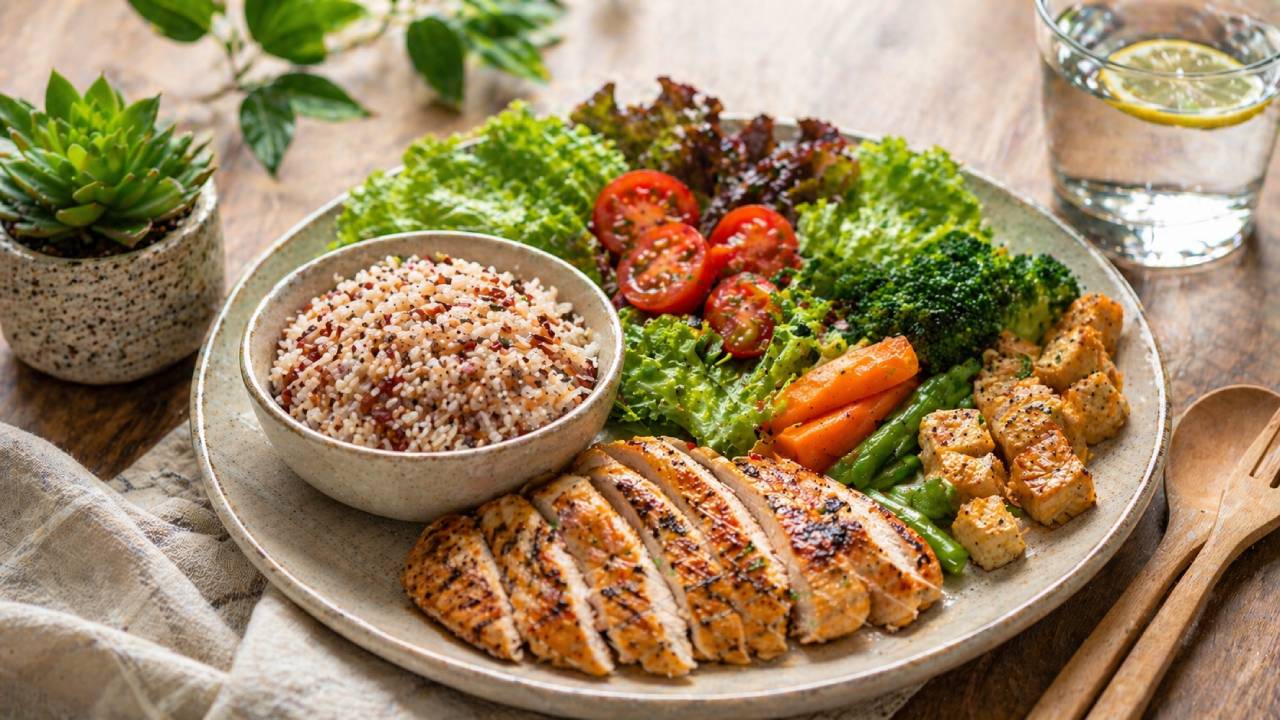
A balanced plate is one of the simplest strategies in modern nutrition. Instead of focusing on restriction, it emphasizes proportion. Typically, half of the plate should contain vegetables. Meanwhile, a quarter should include protein, and the remaining quarter can be rice. This structure creates harmony between nutrients. Additionally, vegetables provide fiber and vitamins that support digestion. Protein helps maintain muscle mass and keeps you full. Rice, on the other hand, supplies energy needed for daily tasks. Because of this balance, your body functions more efficiently. Many nutrition experts recommend this method because it is easy to follow. Even better, it does not require complicated meal plans. By applying this concept consistently, Eating Rice Without the Hassle becomes achievable. Over time, this habit can lead to better health outcomes without feeling restricted.
Choosing the Right Type of Rice for Your Diet
Not all rice is created equal. Therefore, selecting the right type can make a difference. Brown rice, for instance, contains higher fiber and nutrients. As a result, it supports digestion and prolongs satiety. On the other hand, white rice is lighter and easier to digest. This makes it suitable for certain individuals, especially those with sensitive digestion. Additionally, alternatives like red rice or black rice offer unique nutritional benefits. However, the key point is not to obsess over perfection. Instead, focus on consistency and portion size. Even white rice can be part of a healthy diet when paired with nutritious sides. Furthermore, cultural habits also play a role in food choices. For many people, rice is a daily staple that brings comfort. Therefore, adapting rather than eliminating is a smarter approach.
Common Mistakes When Dieting with Rice
Many people make mistakes when trying to include rice in a diet. One common error is overeating due to large portions. Another mistake is pairing rice with high-fat or fried foods. As a result, calorie intake increases significantly. Additionally, skipping protein can lead to quicker hunger. This often causes overeating later in the day. Therefore, balance is essential. Moreover, some individuals rely on instant or processed meals, which may contain hidden sugars and fats. This can sabotage diet efforts without realization. By being mindful of these habits, you can avoid unnecessary setbacks. Instead, focus on simple and fresh ingredients. In this way, Eating Rice Without the Hassle remains effective and sustainable.
The Psychological Benefit of Not Eliminating Rice
Dieting is not only physical but also psychological. When people restrict foods they love, they often feel deprived. Consequently, this can lead to binge eating. By allowing rice in your diet, you reduce this mental pressure. In addition, familiar meals create comfort and satisfaction. This makes it easier to stick to a routine. Over time, consistency becomes the key to success. Furthermore, enjoying your meals improves overall well-being. Instead of seeing food as an enemy, it becomes part of a healthy lifestyle. Therefore, Eating Rice Without the Hassle supports both mental and physical health.
Practical Tips for Eating Rice Without the Hassle
To apply this concept effectively, simple strategies can help. First, control portion sizes by using smaller plates. Second, always combine rice with protein and vegetables. Third, avoid excessive oil or fried side dishes. Fourth, eat slowly to recognize fullness signals. Fifth, prepare meals at home whenever possible. These steps may seem simple, but they are highly effective. Moreover, consistency matters more than perfection. Even small improvements can lead to significant results over time. By following these tips, maintaining a balanced diet becomes easier and more enjoyable.
A Sustainable Way to Stay Healthy Without Sacrifice
Eating Rice Without the Hassle ultimately represents a sustainable lifestyle. Instead of extreme dieting, it promotes balance and flexibility. This approach is easier to maintain in the long run. Additionally, it respects cultural eating habits while improving health. By focusing on portion control and nutrient balance, you can achieve your goals without stress. In conclusion, dieting does not have to be complicated. Sometimes, the simplest approach is the most effective.
