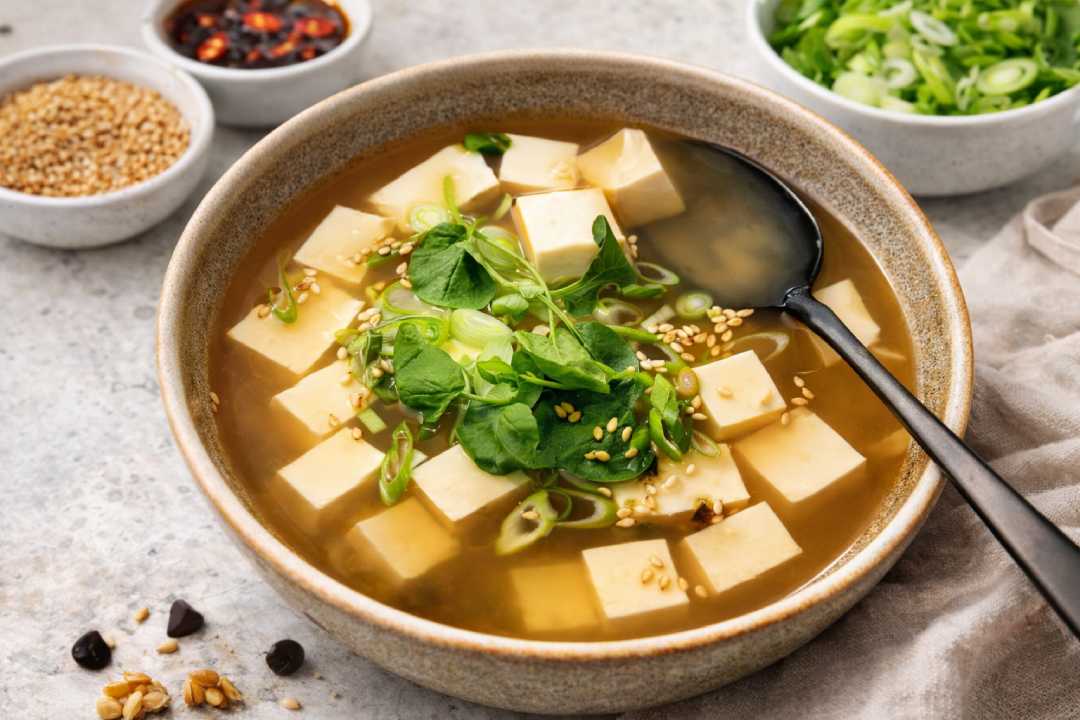
Why is Miso Soup a Diet Choice? Here are Its Benefits and Ingredients
LoveFoodReadyMeals – Why is Miso Soup a Diet Choice? This question often appears among people who are exploring simple yet effective ways to manage their calorie intake. Interestingly, miso soup has become a staple in many healthy eating routines, especially in Japan. Its light texture, combined with a rich umami flavor, creates a satisfying experience without adding excess calories. Moreover, many nutritionists recommend starting meals with soup because it helps reduce overall food consumption. From a personal perspective, miso soup feels like a “smart shortcut” to feeling full without guilt. As a result, it continues to gain attention in global diet trends, particularly among those seeking balance rather than extreme restriction.
Nutritional Value That Makes Miso Soup Stand Out
One of the main reasons why miso soup is considered a diet-friendly option lies in its nutritional profile. Although it is low in calories, it still offers essential nutrients such as protein, vitamins, and minerals. For instance, tofu provides plant-based protein, while seaweed contributes iodine and antioxidants. Additionally, fermented miso paste contains probiotics that support gut health. Therefore, it is not just about eating less, but also about eating smarter. Compared to heavy creamy soups, miso soup delivers nourishment without unnecessary fat. In my view, this balance is what makes it sustainable for long-term dieting.
“Read Also: Cheese Coin: A Unique Cheesy Treat with a Perfect Crunch“
How Miso Soup Helps Control Appetite Naturally
Another key factor behind the popularity of miso soup is its ability to control appetite. Because it is warm and slightly filling, it signals the body to feel satisfied earlier. Consequently, people tend to eat smaller portions during their main meals. Furthermore, the combination of liquid and fiber-rich ingredients slows digestion, which helps maintain a steady energy level. This effect is especially useful for those who struggle with overeating. Based on observation, individuals who include soup before meals often report better portion control. Thus, miso soup becomes more than just a dish—it acts as a strategy for mindful eating.
Ingredients of Miso Soup That Support a Healthy Diet
• 2 cups water or dashi stock
• 1–2 tablespoons miso paste (white or red)
• 50 grams tofu (cut into cubes)
• 1 tablespoon dried wakame (seaweed)
• 1 teaspoon chopped green onions
These ingredients are simple yet powerful. Not only are they easy to find, but they also contribute to a balanced nutritional intake. Moreover, each component plays a role in enhancing both taste and health benefits.
Step-by-Step Recipe for Simple Miso Soup
- First, heat the water or dashi stock until warm, but do not let it boil.
- Next, add the tofu cubes and let them warm gently.
- Then, place the dried wakame into the pot and allow it to expand.
- After that, take a small amount of warm broth and mix it with the miso paste in a separate bowl.
- Once dissolved, pour the mixture back into the pot and stir slowly.
- Make sure the soup does not boil after adding miso, as this preserves its probiotics.
- Finally, add chopped green onions and serve immediately.
This method ensures that both flavor and nutrients are maintained effectively.
Calorie Count and Why It Matters for Dieting
Miso soup is widely recognized for its low calorie content. On average, one bowl contains approximately 40–70 calories, depending on the ingredients used. Compared to other meals, this is significantly lower, making it ideal for calorie control. However, what makes it truly valuable is its ability to provide satisfaction without excess energy intake. In other words, it helps create a calorie deficit without making you feel deprived. From a practical standpoint, incorporating low-calorie meals like miso soup can make dieting more sustainable and less stressful.
Tips to Make Miso Soup Healthier and More Effective
• Use low-sodium miso paste to reduce salt intake
• Add vegetables like spinach or mushrooms for extra fiber
• Avoid adding excessive oil or fatty toppings
• Consume it before meals to control appetite
• Pair it with a balanced diet for better results
Although these tips are simple, they can significantly enhance the effectiveness in a diet plan. Small adjustments often lead to meaningful improvements over time.
Final Insight: Why Miso Soup is More Than Just a Simple Dish
Ultimately, represents a perfect combination of simplicity and functionality. It is not only easy to prepare but also delivers real benefits for those aiming to manage their weight. In my opinion, its greatest strength lies in its adaptability. You can customize it according to your preferences while still maintaining its core health benefits. Therefore, is not just a temporary trend, but a sustainable dietary choice that fits into modern healthy lifestyles.
