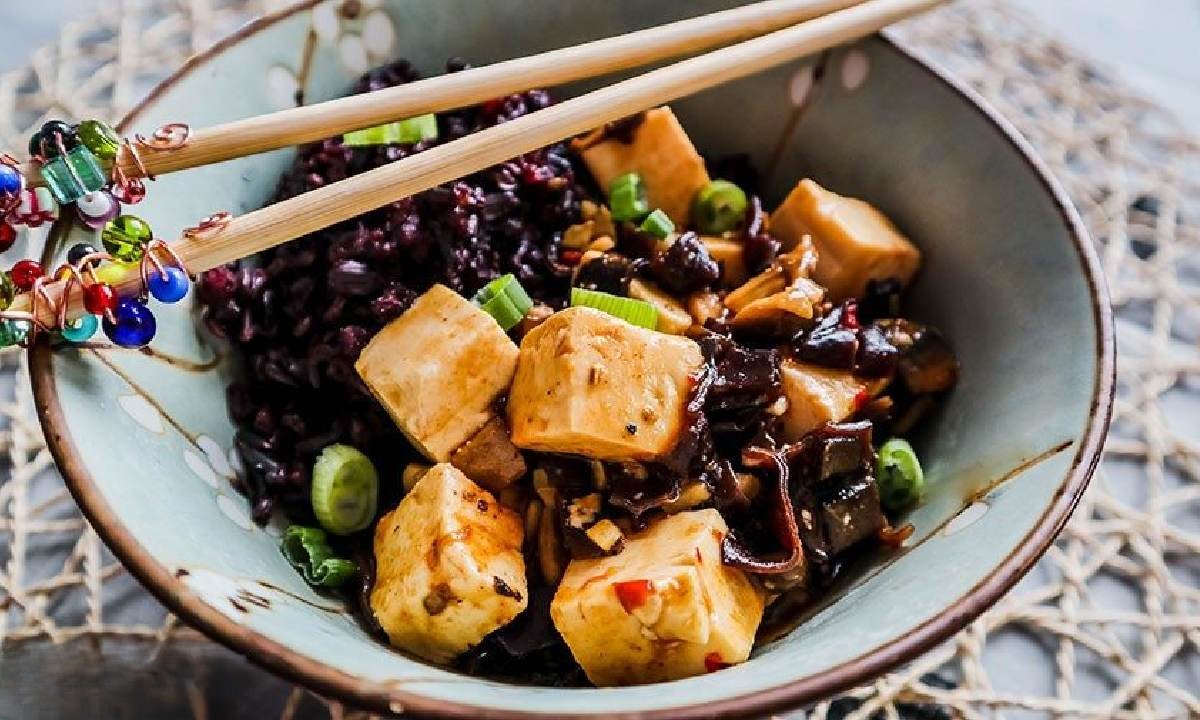
Mapo Tofu Salad: When Classic Sichuan Heat Meets Fresh Comfort
LoveFoodReadyMeals – Mapo tofu has long been known as a bold, comforting Sichuan dish, famous for its fiery chili oil, numbing peppercorns, and silky tofu bathed in rich sauce. Yet in modern kitchens, traditions often evolve to meet new lifestyles. Mapo tofu salad was born from that spirit of adaptation. This version keeps the soul of the original dish but introduces freshness and balance through crisp greens and lighter textures. Imagine the familiar aroma of garlic and fermented bean paste rising from the pan, then meeting cool lettuce and herbs that soften the heat. The result feels comforting yet refreshing, ideal for those who crave depth of flavor without heaviness. This salad tells a story of culinary flexibility, proving that even the most iconic dishes can find new expression without losing their identity.
The Flavor Balance That Makes It Work
What makes mapo tofu salad truly shine is its thoughtful balance of contrasting elements. The tofu remains soft and warm, absorbing spicy, savory notes from chili oil and doubanjiang, while the vegetables bring crunch and cooling relief. Instead of overpowering the palate, the spice now dances gently with freshness. Each bite delivers layers: first the heat, then the umami, followed by a clean finish from greens and herbs. This balance makes the dish approachable even for those wary of intense spice. It also reflects a broader trend in contemporary cooking, where bold flavors meet mindful eating. The salad doesn’t dilute mapo tofu’s character; it reframes it, allowing diners to enjoy complexity without fatigue.
“Read More : Yakisoba Pan, Jepang’s Comfort Carb That Blends Bread and Noodles”
Choosing Ingredients With Intention
A great mapo tofu salad begins with mindful ingredient choices. Silken or soft tofu provides the best texture, offering a delicate contrast to crunchy vegetables. Fresh greens like romaine, butter lettuce, or mixed baby leaves act as a neutral canvas, while scallions, cilantro, or mint add aromatic brightness. The sauce relies on quality chili oil, fermented bean paste, garlic, ginger, and a touch of soy sauce for depth. Some cooks add sesame oil for warmth or a splash of rice vinegar to lift the flavors. Each ingredient plays a clear role, ensuring nothing feels random. This intentionality reflects good cooking practice: respecting ingredients and letting them work together rather than compete.
A Dish That Fits Modern Lifestyles
Mapo tofu salad feels especially relevant today, when many people seek meals that are both satisfying and light. It works as a standalone lunch, a shared appetizer, or a side dish that surprises guests. The salad suits flexible diets, offering plant-based protein without sacrificing flavor. It also adapts easily less chili for gentle heat, more greens for extra freshness, or added mushrooms for earthiness. This versatility makes it practical for busy home cooks and health-conscious diners alike. In a world where food often needs to multitask, mapo tofu salad delivers comfort, nutrition, and excitement in one bowl.
“Read More : Chinese Bread Traditions: From Hong Kong–Style Buns to Steamed Classics”
Storytelling Through Texture and Temperature
One reason this dish feels memorable lies in its play on texture and temperature. Warm tofu meets cool greens, soft cubes contrast with crisp leaves, and silky sauce clings lightly instead of drowning the plate. These contrasts create a sensory experience that keeps each bite interesting. It’s the kind of dish that invites slow eating, encouraging diners to notice how flavors change as temperatures mingle. That quiet drama turns a simple salad into a conversation piece. Food, after all, tells stories through sensation, and mapo tofu salad narrates one of contrast, harmony, and thoughtful reinvention.
Why Mapo Tofu Salad Resonates Today
At its core, mapo tofu salad represents how global food culture continues to evolve. It honors tradition while embracing change, showing respect for origins without being bound by them. For many, it offers nostalgia with a modern twist, evoking familiar flavors in a lighter form. For others, it serves as an entry point into Sichuan cuisine, less intimidating yet deeply expressive. This dish reminds us that cooking is a living language, constantly reshaped by context, health, and creativity. In every bowl, mapo tofu salad quietly celebrates that evolution.
