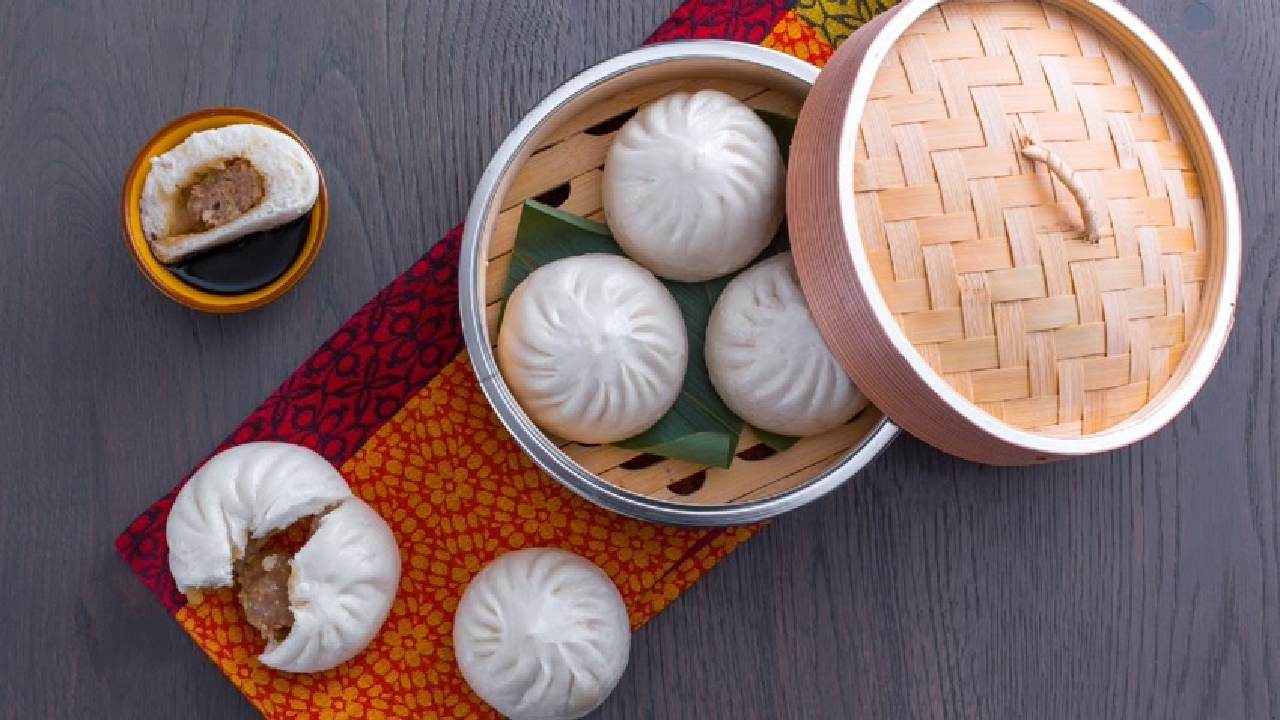
Baozi: China’s Timeless Comfort Food with a Story in Every Bite
LoveFoodReadyMeals – Baozi has long been one of the most comforting Asian meals in China, a dish that blends tradition, flavor, and community in every soft bite. You can find it at sunrise in busy street corners, where vendors lift the lids of bamboo steamers and let fragrant clouds escape into the morning air. Many people describe their first taste of baozi as a moment of unexpected warmth a soft dough wrapping savory fillings that remind them of home. Its simplicity makes it beloved, yet its variations reveal the richness of Chinese culinary heritage. From small villages to modern cities, baozi remains a symbol of convenience, nourishment, and connection between generations.
The Ancient Origins Behind a Beloved Chinese Staple
Historically, baozi dates back to the Three Kingdoms period, when strategist Zhuge Liang was believed to create early versions of the bun while traveling through southern China. Over centuries, the dish evolved from a military necessity into a cultural treasure enjoyed across the country. This deep history gives baozi a unique charm, because every region shaped its flavor to suit local traditions. As time passed, baozi became more than just food it turned into a shared experience. Elders taught children how to knead the dough, shape the buns, and steam them to perfection. Today, those ancient techniques still feel alive, carried through families who honor culinary memory with each handmade bun.
“Read More : Adorable Gluten-Free Choco Chiffon Cupcakes Shaped Like Bears”
The Art of Dough That Defines Its Softness
What makes baozi unforgettable is the dough, which is crafted with patience and a keen understanding of texture. Many cooks begin by mixing flour, water, and yeast until the dough reaches the perfect elasticity. As they knead, they focus on airflow and softness, knowing that these small details decide whether the bun rises beautifully in the steamer. When baozi swells into fluffy white spheres, it becomes a visual expression of skill and care. This process turns simple ingredients into a comforting canvas for flavorful fillings. Even today, young cooks learn that shaping baozi is both a technique and an act of affection, because each bun reflects the hands that crafted it.
Popular Fillings That Tell Stories of Regional Identity
Across China, baozi fillings reveal the diversity of local tastes. In northern provinces, diners love hearty pork baozi seasoned with ginger and scallions, a reflection of cold climates and comfort-driven meals. Meanwhile, southern regions often celebrate lighter combinations such as bok choy and mushrooms, offering a refreshing contrast. Some variations even include sweet red bean paste or lotus seed, showing how baozi can suit every occasion from breakfast to festive gatherings. When families gather around a steaming basket, each bun becomes a reminder of their roots. These regional styles create personal memories, turning baozi into a culinary storyteller that connects people to the places they call home.
Baozi as a Symbol of Everyday Life in China
In Chinese daily life, baozi is more than an Asian meal it is a companion to early mornings, long travels, and simple conversations. Workers often grab a pair of baozi before rushing to catch the first bus, while students enjoy them between classes for a quick source of energy. Many street vendors greet customers by name, creating relationships that make these food stalls feel like small neighborhood hubs. These moments show how baozi supports the rhythm of society. Whether eaten alone or shared among friends, the dish bridges comfort and practicality. It reminds people that nourishment does not always need extravagance; sometimes warmth comes from the simplest meals.
“Also Read : Bánh Bò: The Vibrant Vietnamese Dessert with a Unique Honeycomb Texture”
Modern Adaptations and Global Popularity
As baozi spreads far beyond China, it continues to evolve with modern tastes. Chefs around the world experiment with fusion fillings such as teriyaki chicken, spicy tofu, and even chocolate, attracting younger audiences seeking creativity in familiar forms. Despite these innovations, the heart of baozi remains unchanged a soft dough encasing flavors that bring comfort. Food enthusiasts are drawn to baozi because it is easy to enjoy, beautifully portable, and deeply tied to heritage. This global admiration also encourages cultural exchange, allowing people everywhere to appreciate the history and craftsmanship behind each bun. Baozi proves that traditional dishes can adapt without losing the stories that shaped them.
Baozi’s Role in Culture, Memory, and Community
In many Chinese households, baozi’s plays a cherished role during holidays and family gatherings. Grandparents often wake before sunrise to prepare large batches, knowing that the aroma will pull everyone into the kitchen. These shared rituals strengthen bonds and turn baozi’s into a symbol of togetherness. Each bite carries not only flavor but also memory of loved ones, childhood mornings, or festive celebrations. When people share baozi, they also share joy, gratitude, and warmth. This emotional connection ensures that baozi thrives not just as an Asian meal, but as a part of life’s most meaningful moments.
